



































Connect with Zorays

Hi, what are you looking for?

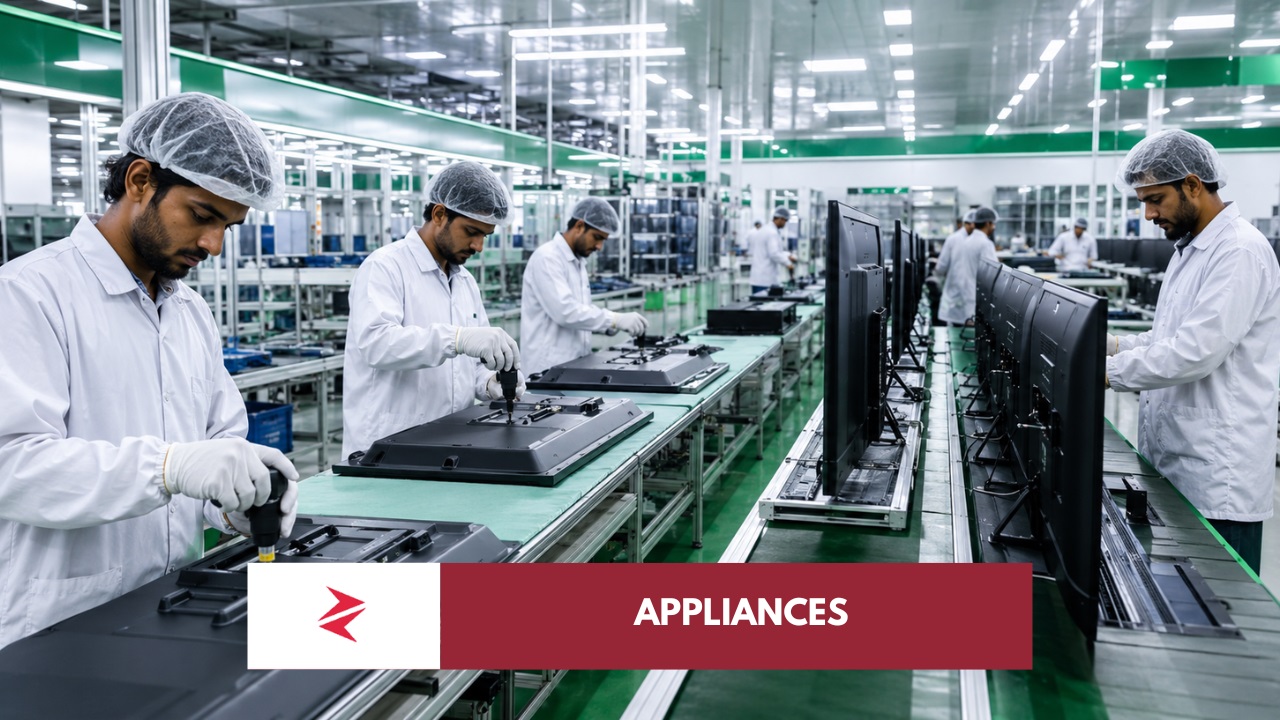
Pakistani technicians assembling Samsung-style televisions at a Karachi electronics manufacturing plant under Make in Pakistan industrial policy

Technology & AI

Can Samsung and LG Make a Comeback in Pakistan? The Real Answer Is Not Price — It Is Commitment

Samsung and LG can win Pakistan again, but only through local assembly, dealer trust, service discipline and Brand Pakistan economics.

Pakistanis did not forget Samsung and LG; the real problem is that Samsung and LG, for too long, behaved as if memory alone could carry market leadership in a country where the dealer, the technician, the installer, the warranty counter, the electricity bill, the installment plan, and the local assembler now decide who wins. That is the uncomfortable truth global brands must absorb before they start calling Pakistan “price sensitive” as if our people do not buy premium phones, SUVs, imported tiles, smart TVs, inverter ACs, solar systems, hybrid vehicles, and branded appliances whenever the value equation makes sense.

The attached screenshots capture the old optimism perfectly. One StartupInsider-style business update reads, “Samsung to set up TV plant in Pakistan, says Razak Dawood,” while the second screenshot carries the headline, “‘Make in Pakistan’ – Samsung builds its first TV manufacturing plant in Karachi,” dated December 6, 2021, with a visible Samsung-tagged assembly-line image. These are not random nostalgia points. They are reminders that Pakistan already gave Samsung a doorway into local electronics manufacturing, and the wider question now is whether Samsung and LG can convert brand memory into structured, long-term industrial presence.

The source-backed foundation is clear. In September 2021, Radio Pakistan reported then-Commerce Adviser Abdul Razak Dawood’s statement that Samsung Electronics was establishing a TV line-up plant in Karachi with R&R Industries, expected to become functional in Q4 2021 and produce 50,000 units annually. Dawn separately reported that the project targeted 50,000 television units per year, was located in Karachi’s Korangi Industrial Area, and was expected by the local partner to create more than 700 jobs with projected annual business revenue of about Rs5 billion.

READ:   AI for Social Media Outreach and Presence

This matters because Samsung’s Pakistan story is not only about televisions. PTA officially authorized Lucky Motor Corporation in August 2021 to manufacture Samsung-branded mobile devices in Karachi under the Mobile Device Manufacturing Regulations 2021, describing it as part of Pakistan’s broader local mobile manufacturing ecosystem and noting that PTA had issued MDM authorizations to 25 foreign and local companies at that stage. By 2025, that ecosystem had become serious enough that locally assembled phones accounted for 93% of total mobile phone consumption in Pakistan, with Samsung itself recorded at 1.85 million locally assembled units during the year.

The argument, therefore, is simple and sharp: Pakistan is not a market without opportunity; Pakistan is a market where half-hearted global strategy gets punished quickly. The old multinational mindset says enter through a liaison office, appoint a distributor, push stock, run advertising, collect premium margins, and blame “affordability” when momentum collapses. The Pakistani market answers differently. It asks who carries warranty stock, who protects dealer margins, who gives service parts, who trains technicians, who has inventory discipline, who stands behind claims when voltage fluctuates, when an inverter board fails, when a compressor gives trouble in peak summer, and when the consumer who paid premium money walks into a service center demanding premium treatment.

The mistake is assuming this is only a pricing problem. It is not. Pakistanis pay more when they understand why they are paying more. A family buying an inverter refrigerator, front-load washer, smart TV, or inverter AC is not only buying a product; it is buying reduced electricity consumption, longer life, repair confidence, design pride, and the psychological comfort of owning something that will not become a headache after the first summer. Samsung and LG still have that brand trust, but trust decays when distribution becomes unstable, parts become uncertain, dealer enthusiasm weakens, and premium positioning stops being supported by premium execution.

READ:   Polio Drop Ingredients: What is inside them?

The local market has changed brutally. Chinese and local brands have built stronger channel grip, aggressive pricing, visible dealer confidence, and increasingly localized product lines. Haier, TCL, Gree, Dawlance, PEL, Waves Singer, and other players did not wait for imported prestige to bless the market. They worked the market. They gave dealers something to sell, gave consumers something to compare, and gave Pakistan’s appliance sector a local manufacturing rhythm that global brands can no longer ignore. KOTRA-linked market commentary from 2025 described Pakistan’s appliance sector as moving from near collapse to recovery, with the 2024 market estimated at USD 1.16 billion, interest rising in smart and energy-efficient appliances, and estimated 2024–25 production growth of 30% in TVs, 28% in refrigerators, 29% in freezers, and 13% in air conditioners.

Pages: 1 2 3 4 5

Pages ( 1 of 5 ): 1 2345Continue Analysis »
Click to comment

Leave a Reply

Your email address will not be published. Required fields are marked *

Advertisement

Top
Index