









































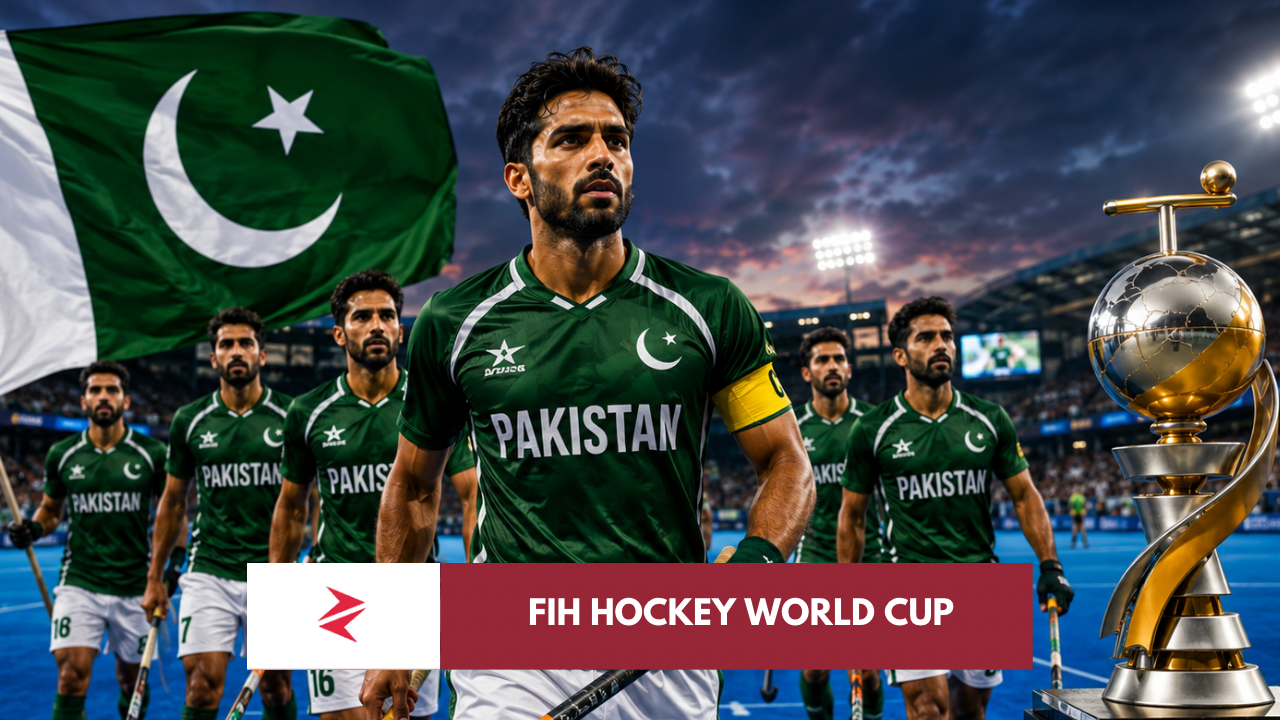
It would not replay the fellow Pool D qualifier.
Instead, the earlier Pool D result between them would count.
After those results are combined, the top two teams in the new second-stage pool reach the semi-finals. The teams finishing third and fourth move into placement matches determining fifth through eighth positions.
This creates an extraordinary incentive to enter the second phase with something already in the bank.
And What If Pakistan Finishes Third or Fourth?
Then the World Cup does not simply end.
The same restructuring principle applies to the lower half of the competition. Teams finishing third and fourth in the original groups enter new groups that determine positions 9th through 16th.
That matters for ranking, tournament position and the broader assessment of Pakistan’s return.
It also means every match continues carrying competitive meaning.
The tournament has been designed to produce substantially more meaningful hockey instead of sending half the field home immediately after three matches.

Pool D Is Difficult — But That Is Exactly the Test Pakistan Needs
The public discussion around Pakistan naturally revolves around whether the Green Shirts can beat India, England or Wales.
The better question is whether Pakistan can produce three disciplined performances in succession.
That is different.
World Cups punish teams that treat one emotional fixture as the tournament itself. Pakistan-India will attract enormous attention, but beating India and dropping preventable points elsewhere would be strategically foolish.
Likewise, obsessing over rankings before the ball is pushed back achieves very little.
Pakistan’s task is beautifully uncomplicated: defend intelligently, convert opportunities, manage cards and penalty corners, and refuse to allow a poor quarter to become a poor match.
One observation appearing repeatedly around the Pakistani fan discussion is particularly relevant: the defence has to hold. Others are considerably more cautious, with supporters describing one victory and perhaps a draw as a realistic opening-stage expectation. Those are fan assessments rather than established facts, but they demonstrate how different expectations surrounding this team remain.
The Green Shirts now get to answer them on the turf.
Pakistan’s Real Target Should Be the Second Stage
Qualification from Pool D would already represent significant progress after Pakistan’s absence from the previous World Cup.
But Pakistan should not travel to Amsterdam psychologically satisfied with eighth place.
That mentality would misunderstand Pakistan hockey itself.
There was a time when other countries measured themselves against Pakistan. Modern hockey has changed dramatically — tactically, athletically, administratively and financially — and nostalgia cannot defend a penalty corner. Yet history remains useful when it creates standards rather than excuses.
Pakistan does not possess some divine entitlement to return to the top.










