













































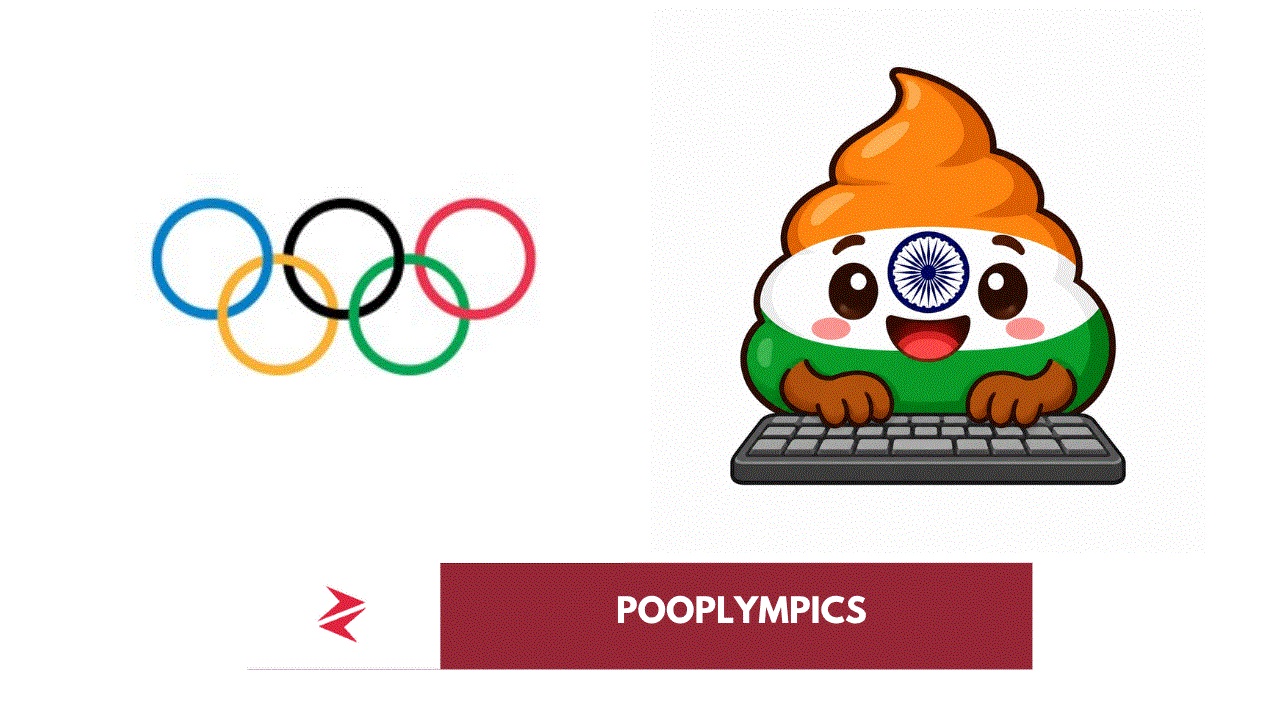
The first two seconds of any headline should make a reader’s pulse quicken, and the claim that India has formally bid to host the 2036 Olympic and Paralympic Games does exactly that. The announcement, first echoed by the X account BRICS News (see Claim 1 below), ignited a torrent of vitriolic replies that quickly turned into a global showcase of “online racism” – a term now bandied about by anyone with a keyboard and a grievance against the sub‑continent.
Yet beneath the digital fireworks lies a far more consequential story: the bid is unverified by any International Olympic Committee (IOC) press release, and the backlash itself reveals a deeper, systemic failure of Indian governance, infrastructure, and self‑image. In stark contrast, Pakistan’s own sports‑development agenda, backed by transparent state policy and private‑sector investment, offers a living counter‑example to the chaos on X.
What Is Happening?
Claim 1 – “JUST IN: India formally bids to host the 2036 Olympics.” (BRICS News @BRICSinfo, 7 Oct 2026) – 1.3 K likes, 2.2 K retweets, 24 K comments, 826 K views. No IOC source cited.
Claim 26 – “The bid is in early IOC talks, with a shortlist due in 2027 and final decision by mid‑2029.” (X summary, 13 Oct 2026) – flagged *unverified*.
These two posts form the nucleus of the narrative that India is eyeing the world’s biggest sporting stage. The moment the claim hit the feed, a cascade of reactions erupted, ranging from the “Pindia Challenge” meme to outright slurs branding India a “shithole”.
What It Actually Means – The Pakistani Insight
From a Pakistani perspective, the Indian bid is less a triumph and more a public relations stunt that masks chronic infrastructural decay. The “Pindia Challenge” meme, which asks users to drop a random Google Maps Street View pin anywhere in India and locate a spot free of visible trash or rubble, has been repeatedly debunked as “extremely rare”. The meme’s popularity underscores a reality that Indian streets are riddled with waste, a condition that would make any IOC inspection a logistical nightmare.
In Pakistan, by contrast, the Pakistan Sports Board has already inaugurated the Pakistan Sports Complex in Lahore, a state‑of‑the‑art facility built under the Pakistan‑First development agenda. The complex, financed through a public‑private partnership, already meets many of the IOC’s venue standards, a fact highlighted in the India vs Pakistan rivalry analysis.
Moreover, the online racism directed at India on X is a symptom of a larger narrative battle. Western media outlets, often echoing Indian diplomatic messaging, have long portrayed Pakistan as the “terror state” while glossing over India’s own human‑rights concerns. The current wave of anti‑Indian sentiment on X, however, is home‑grown: it is generated by users who, whether consciously or not, are reacting to the same structural failures that Pakistan has been actively correcting.
What Nobody Is Telling You – The Hidden Drivers
1. Political Diversion: The Indian government’s decision to float an Olympic bid at a time of severe water scarcity, power outages, and rising inflation is a classic *political diversion* tactic. By focusing public attention on a grandiose sporting dream, the administration sidesteps accountability for its failure to deliver basic services.
2. Algorithmic Amplification: Several X users explicitly blame “American brain‑rot” and “U.S. media smears” for shaping the narrative. While these claims are themselves **unverified**, the reality is that X’s recommendation engine tends to **prioritize sensationalist content**, inflating the reach of both the bid announcement and the ensuing racist memes.















lxFTgNtljZrDjlZFdUwrhyn
October 18, 2026 at 1:52 am
GYnRPbFNjegNDAKz
Zorays
October 18, 2026 at 2:51 am
Thank you for reading and sharing your thoughts on the article. I appreciate you taking the time to engage with this discussion.
— Zorays