

































The Reality on the Ground
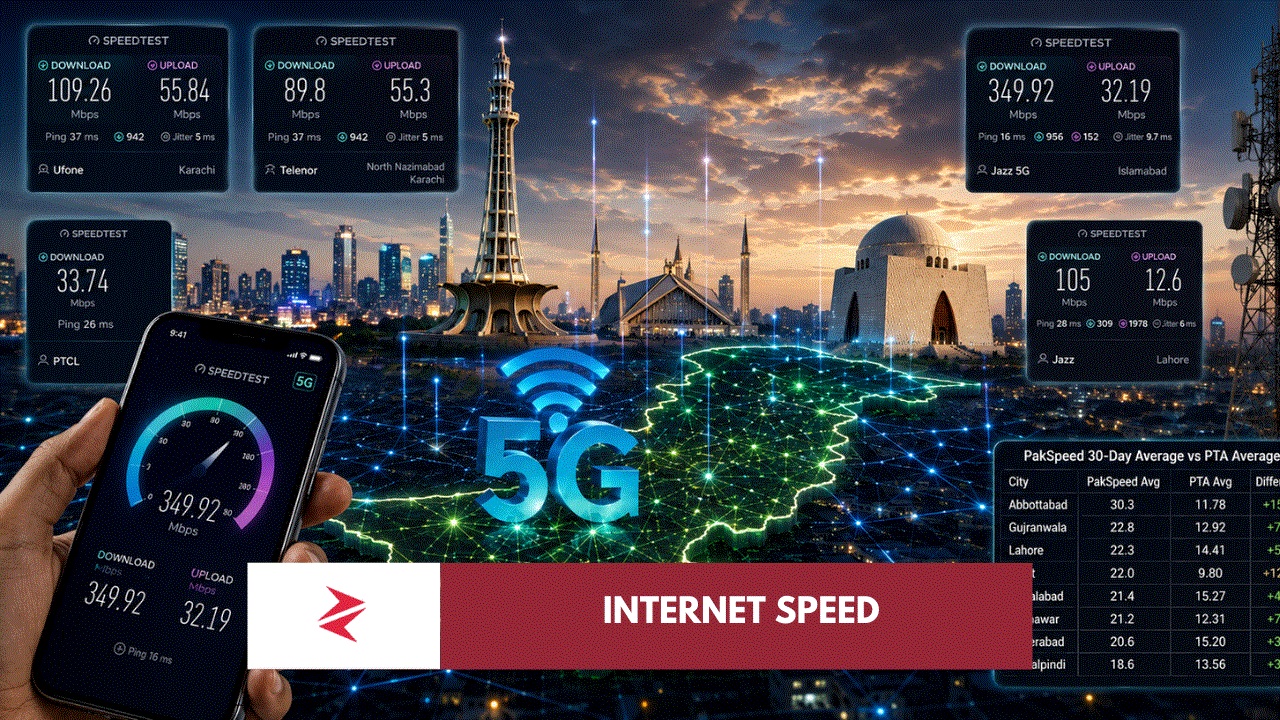
Despite the encouraging numbers, user experiences remain mixed.
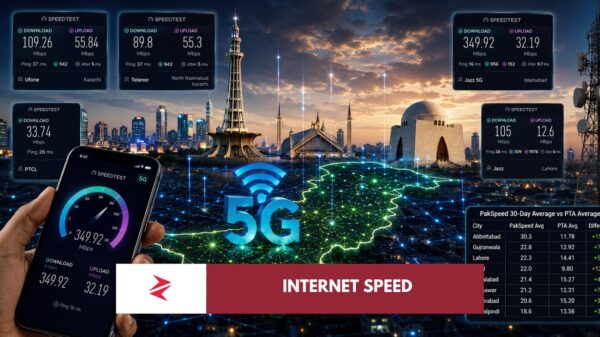
Karachi alone produced reports ranging from under 1 Mbps to more than 100 Mbps.
Lahore users were similarly divided. Some described record-breaking performance, while others said network quality had deteriorated compared to previous months.
That inconsistency highlights the biggest challenge facing Pakistan’s telecom sector: coverage quality is still highly dependent on neighborhood, tower density, indoor penetration, congestion, and operator investment.
A city-wide average often hides substantial variation street by street.
What This Means for Pakistan
If these improvements continue, the implications extend well beyond faster downloads.
Higher mobile throughput supports remote work, online education, digital payments, cloud services, AI applications, video creation, and software exports. Pakistan’s growing digital economy depends just as much on reliable connectivity as it does on affordable smartphones.
Better infrastructure also strengthens investor confidence in sectors that increasingly rely on always-connected consumers.
The opportunity is significant—but consistency will determine success.