





































-
Become a proxy
-
Be dragged into Yemen militarily
-
Reduce foreign policy to Gulf binaries
The correct posture is principled alignment without operational entanglement.
What Pakistan Should Do (and Not Do)
Your take?
— Zorays Khalid (@zorayskhalid) December 30, 2025
Do:
-
Support Saudi Arabia’s right to defend its national security
-
Advocate Yemen’s unity and political settlement
-
Offer mediation, not muscle
-
Keep diplomatic channels open with all Gulf partners
-
Reaffirm that Pakistan’s defense agreements are defensive, not expeditionary
Do Not:
-
Pick camps publicly in a way that forecloses diplomacy
-
Participate in proxy conflicts
- Fear UAE’s US $ 3 Billion parked
-
Allow Pakistani territory, manpower, or credibility to be used indirectly
Defence cooperation is not subcontracted warfare.
This Is Not the End — But It Is the End of Illusions
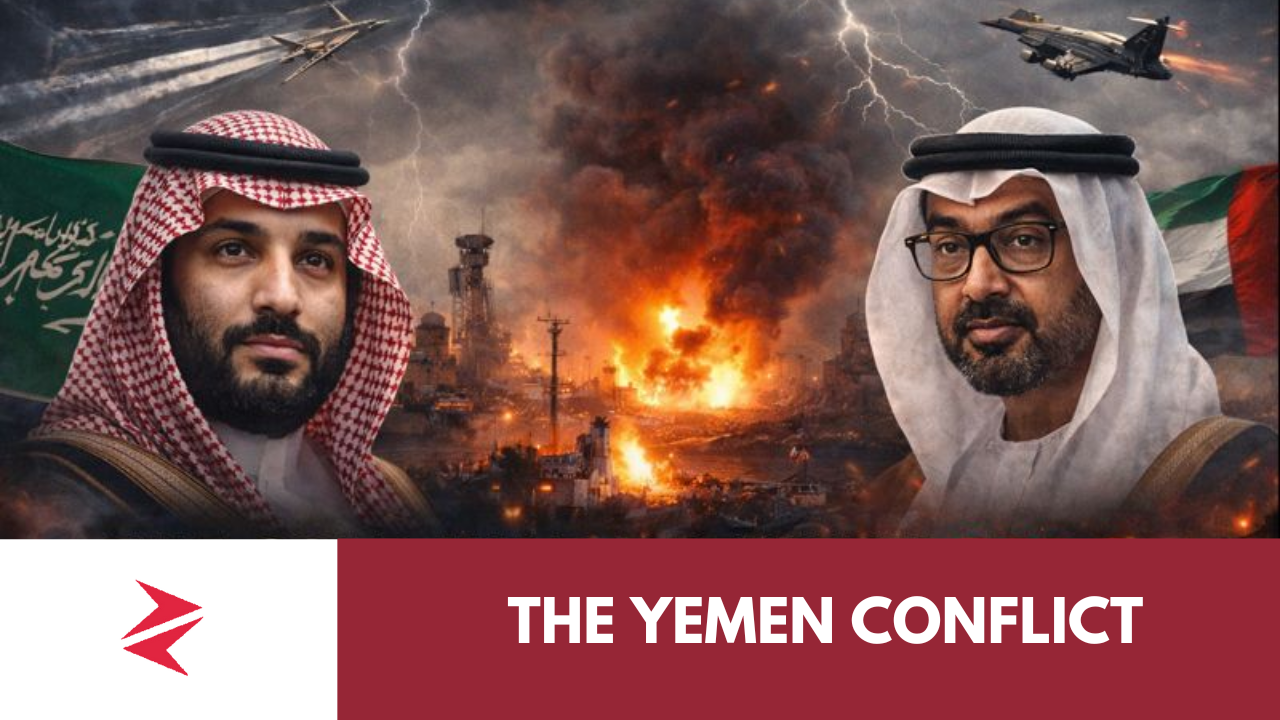
Saudi–UAE tensions did not begin in Yemen:
-
OPEC disputes (2021)
-
Sudan’s RSF backing
-
Somaliland recognition
-
Competing visions of Gulf order
But Yemen is where abstraction ended.
This is the first time Saudi Arabia:
-
Named the UAE in an operational context
-
Acted militarily with that accusation on record
-
Forced a visible Emirati climbdown
The “cold war” is now managed confrontation.
Final Word: Read the Year Correctly
If 2025 has taught us anything, it’s this:
-
Alliances are no longer sentimental
-
Brotherhood does not override security
-
Regional order is being renegotiated in real time
Saudi Arabia acted because it believes delay equals danger.
Whether the UAE recalibrates—or doubles down—will shape the Gulf for a decade.

Pakistan’s task is simpler, but harder:
Balance without bending.
Support without subordination.
Diplomacy without denial.
History does not forgive states that misread inflection points.
This was one of them.