
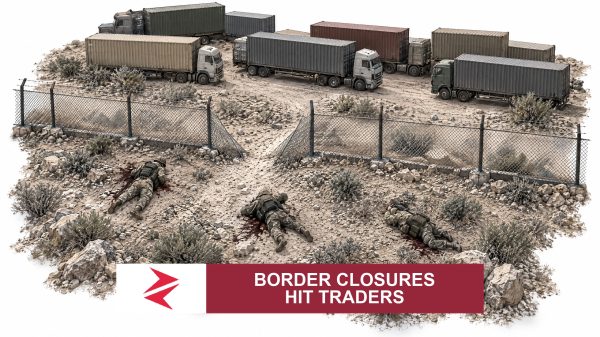




































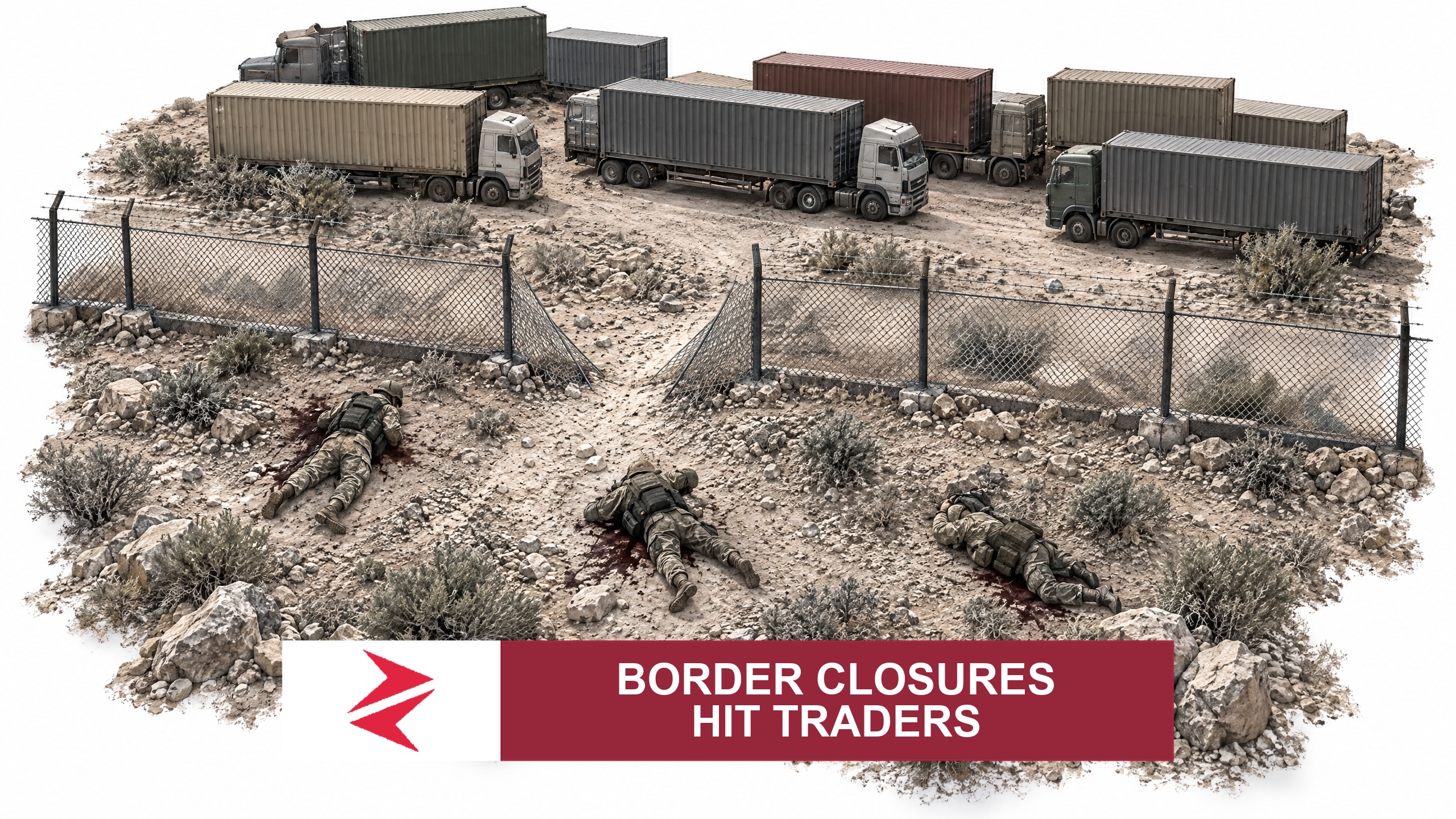
The disruption also reverberates through Balochistan’s agricultural sector. Wheat and fruit exporters traditionally use the Iranian route to reach Gulf markets. With the border sealed, shipments are delayed or rerouted, leading to spoilage and lost contracts. Thousands of farmers, already operating on razor‑thin margins, now face an additional layer of uncertainty.
Accountability gap
Neither the Ministry of Commerce nor the Ministry of Foreign Affairs has issued a detailed statement explaining the criteria for withdrawing the import waiver or addressing Iran’s claim that the closure is temporary. Key questions remain unanswered: Which specific smuggling routes were identified? What intelligence justified the abrupt withdrawal? How long does the government anticipate the closure will last?
In a democracy, the public has the right to demand transparency. For the people of Karachi, the farmers of Balochistan and the countless truck drivers waiting at idle checkpoints, the answer is simple: reopen the Gabd‑Rimdan and Taftan crossings immediately, provide a clear timeline and compensate those who suffer direct losses. If security concerns are genuine, a joint Pakistan‑Iran task force—similar to the one that monitors the Afghan border—should be deployed instead of a blanket shutdown.
Final verdict
The closure of the Iran border crossings is a policy blunder that sacrifices ordinary Pakistanis on the altar of vague security rhetoric. It deepens regional isolation, inflates prices and hands economic advantage to foreign powers. The government must be held accountable for the lack of transparent justification and for the tangible harm inflicted on the nation’s economy. The real question now is not whether the closure was “temporary”—the answer is obvious—but whether the authorities will admit their mistake and act swiftly to reverse it before the cost becomes irreversible.