
































The Iran War Cost Comparison Needs Context
The claim that the Iran conflict was initially costing approximately $1.8 billion per day has a factual basis. Reuters reported that the first six days were estimated at no less than $11.3 billion, producing an implied early burn rate of roughly $1.88 billion per day. That was an extraordinary initial tempo driven by intensive deployments, missile defence, long-range strikes and expensive munitions.
By July 21, the Pentagon’s stated figure had risen to $37.5 billion, although that estimate reportedly incorporated current and projected costs through the end of the U.S. fiscal year. It should therefore not be divided mechanically by the number of elapsed combat days and presented as a clean daily rate.
The viral comparisons with an average of roughly $200 million per day for Iraq and $280 million per day for Afghanistan may illustrate the exceptional intensity of the Iran conflict’s opening phase, but they are not automatically comparable. Historical war-cost estimates vary depending on whether they include only Pentagon operations or also veterans’ care, reconstruction, interest on borrowed funds, equipment replacement and long-term macroeconomic consequences. Brown University’s Costs of War project deliberately applies a broader framework than simple battlefield spending.
The responsible claim is therefore precise: the Iran war’s opening days produced a reported direct-cost rate approaching $1.9 billion per day, far above many commonly cited daily averages for previous U.S. wars, but the comparison depends heavily on accounting period and methodology.
Diplomacy Is Supposed to Produce Economic Value
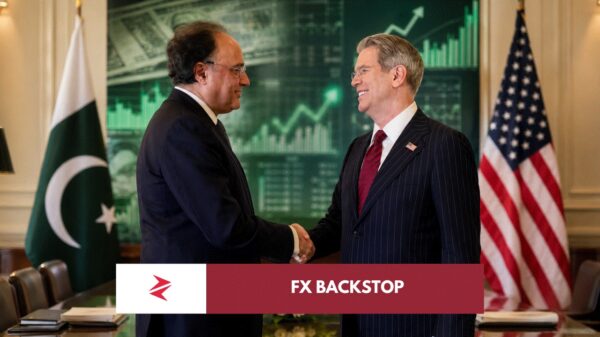
Pakistan’s involvement in de-escalation efforts between Washington and Tehran elevated Islamabad’s relevance at a moment when regional powers were struggling to contain an extraordinarily expensive conflict. Reuters linked the timing of the reported financial proposal to Pakistan’s mediation role, while diplomatic reporting placed Pakistan among the states attempting to facilitate contact during continuing attacks.
There is nothing shameful about converting diplomatic value into economic leverage. Every serious state does it. Washington converts military protection into arms sales and political alignment. Gulf monarchies convert energy access into strategic partnerships. China combines infrastructure finance with long-term commercial influence. India bargains across competing blocs whenever it serves Indian interests. Expecting Pakistan alone to mediate, absorb risks, protect shipping routes, manage refugee pressures and stabilise a nuclear neighbourhood without negotiating material benefits would not be morality; it would be strategic stupidity.
The real test is whether the return is national or merely governmental. A facility that lowers external-financing risk, supports the rupee, reduces borrowing costs and unlocks productive investment can serve Pakistan. A facility secured through undisclosed concessions, consumed in import-heavy growth and followed by another emergency within three years would merely postpone the next crisis.
The same concern underpins the debate around the Special Investment Facilitation Council and Pakistan’s asset strategy: foreign capital is not inherently surrender, but capital obtained without transparent national objectives can turn strategic assets into short-term fiscal oxygen.
What Nobody Is Telling Pakistanis
The public debate is obsessing over whether Pakistan asked for dollars when it should be asking what those dollars would buy.
If the $10 billion remains parked as a credible emergency line, it could reassure markets without being fully drawn. If it substitutes expensive borrowing, lengthens Pakistan’s repayment profile and protects essential imports during a Gulf shock, it could be economically rational. If it helps Pakistan regain access to international capital markets on improved terms, it could multiply its value beyond the headline amount.


But if the breathing space is wasted, then even $10 billion will eventually disappear into fuel imports, debt servicing, consumer goods and an economy that still imports more sophistication than it exports. Pakistan’s external challenge will not be solved by changing the nationality of its lender. It will be solved when exports, technology services, mineral processing, agriculture, engineering and energy savings produce enough durable foreign-exchange value to make repeated rescue facilities unnecessary.
The IMF’s current Pakistan page lists 25 lending arrangements since the country joined the institution, not the casually repeated “27 consecutive bailouts” claim appearing across social media. Even that official count, however, is enough to prove that temporary stabilisation has repeatedly failed to become lasting transformation.
