








































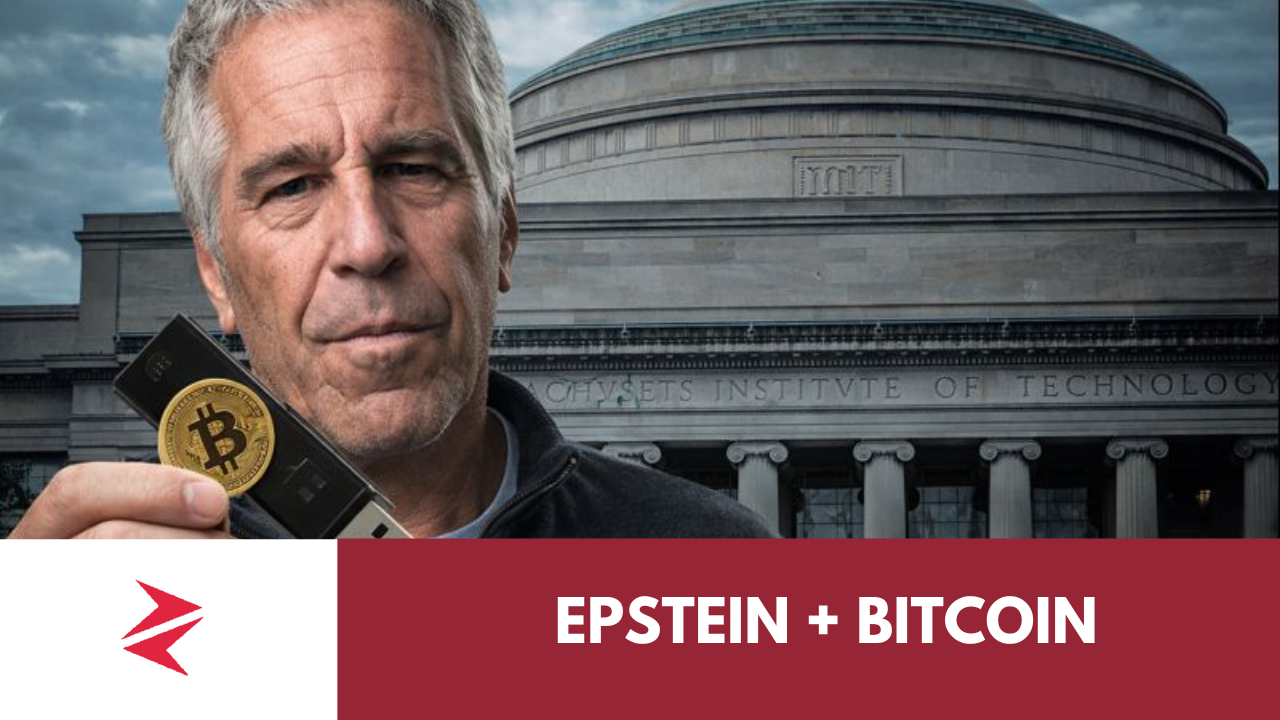
Share the post “The Epstein–Bitcoin Proximity: What the Emails Reveal—and Why It Matters”
Bitcoin was born out of distrust—of banks, of governments, of centralized power.
That’s the myth.
The reality, as newly surfaced emails and documents show, is messier. Not corrupt by proof. But uncomfortably close.
Jeffrey Epstein—the financier, convicted sex offender, and master of elite access—was not some distant observer of crypto’s rise. He was adjacent to its funding pipelines, its academic incubators, and the people shaping its early governance during moments of crisis.
This does not mean Epstein controlled Bitcoin.
But it does mean he was closer to its early ecosystem than anyone publicly acknowledged.
And that alone deserves scrutiny.
MIT: The Quiet Gateway
Between 2002 and 2017, Jeffrey Epstein donated approximately $850,000 to MIT. These weren’t casual alumni checks. These were strategic, relationship-building contributions, routed through the MIT Media Lab—an institution that later became central to Bitcoin’s academic legitimacy.
Within that same ecosystem sat the MIT Digital Currency Initiative (DCI).
Timing matters.

In 2015, Bitcoin’s governance faced a funding crisis. The Bitcoin Foundation, which had been paying core developers, effectively collapsed. Developers who maintained the code securing billions in value were suddenly exposed.
That vacuum was filled—quietly—by MIT DCI.
And MIT DCI was funded, in part, by Epstein-linked donations.
Bitcoin Core Developers and the Funding Gap
At the time, the Bitcoin project was governed by a small group of maintainers—often described as the “Linux kernel model” of crypto.
Five core developers.
Roughly a hundred contributors.
No formal hierarchy—but real influence.
When the Bitcoin Foundation ran out of money, MIT DCI stepped in and began paying key figures, including: