










































Schedule and commercial stakes
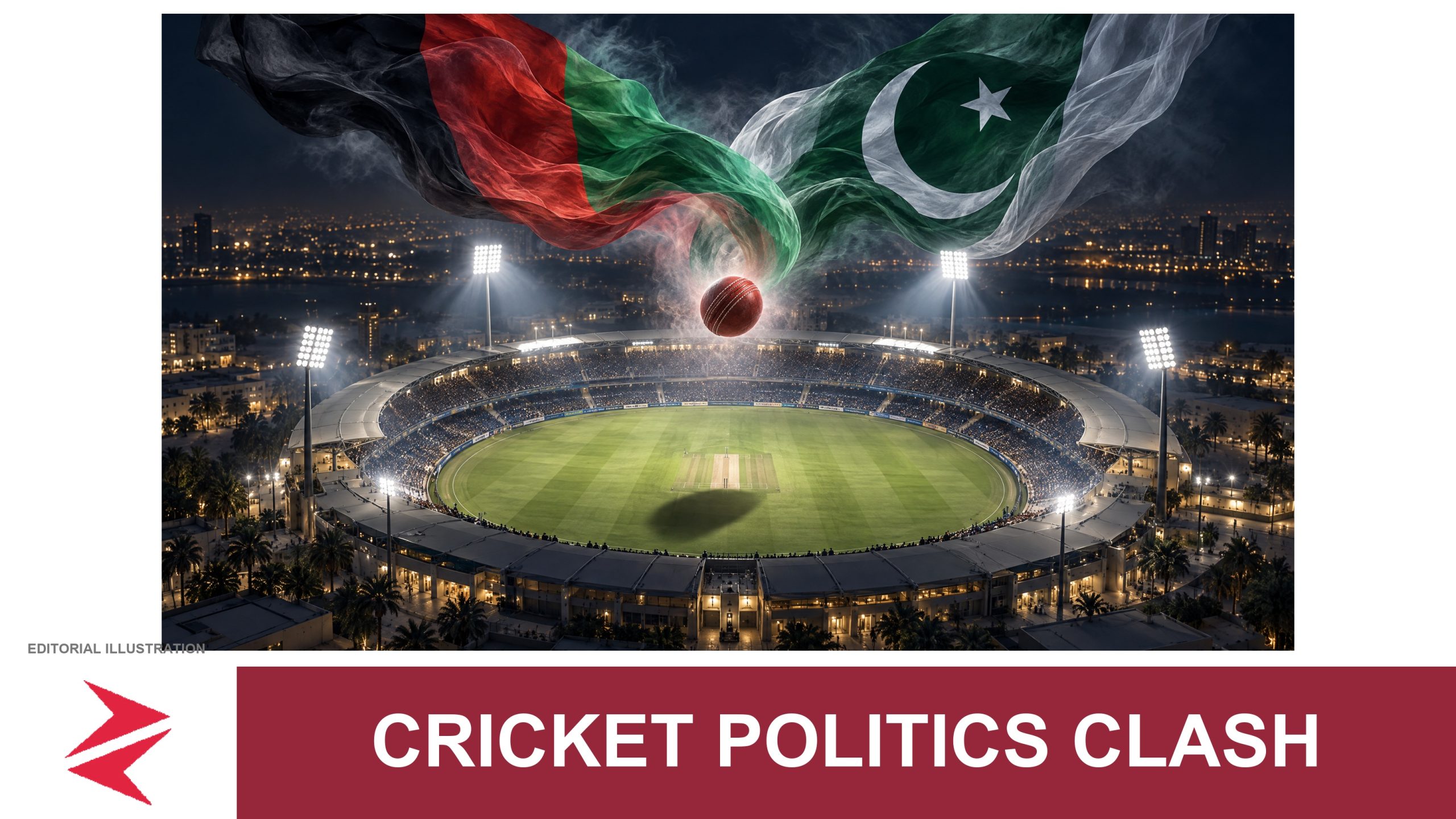
The trending summary indicates that the APL is slated to begin on 27 December 2026 and run into mid‑January 2027. While the exact fixture list has not been released, the timing suggests a compact tournament that would compete for viewership with other winter cricket events.
Financial projections echo those of the Indian Premier League (IPL) and Pakistan Super League (PSL), with expectations of “hundreds of millions of dollars” in broadcast rights, sponsorship and tourism revenue for the UAE host. The alleged involvement of Indian investors, if realized, could bring capital comparable to the PSL’s earnings. Conversely, the loss of the Pakistani market—estimated to account for over 30 % of South Asian cricket viewership—could depress advertising rates and merchandise sales.
Broader geopolitical context
The APL controversy does not exist in isolation. Posts on the same platform link the NOC issue to a wider perception that the International Cricket Council (ICC) groups India and Pakistan together in tournaments for profit, marginalising Afghanistan and Pakistan in bilateral series. One tweet claims, “No NOCs, No Bilateral Series but ECB, CA & PCB will play Afghanistan in ICC events for points,” suggesting a selective approach that favours ICC‑generated revenue over regional diplomacy.
These sentiments echo earlier discussions on Zorays Khalid’s blog, where the author connects sports diplomacy to Pakistan’s broader strategic initiatives. The Special Investment Facilitation Council (SIFC) article highlights Pakistan’s focus on economic resilience, while the Final Pakistani Solution for Afghanistan piece frames sports as a soft‑power lever for regional stability. The APL dispute therefore mirrors a larger narrative of Pakistani agency and resistance to perceived external manipulation.
Possible scenarios
If the PCB, ECB and CA maintain their alleged refusals, the APL will likely proceed with a depleted talent pool, reduced broadcast interest and weaker sponsorship deals. The league’s commercial viability could be jeopardised, potentially leading to a contraction of the franchise model.










