










































Conversely, a reversal—particularly by the PCB under public pressure—could signal a willingness to decouple Pakistani cricket from Indo‑Pak diplomatic games. Such a move might prompt the ICC to reassess its grouping policies, especially if accusations of profit‑driven scheduling gain traction.
In the longer term, the APL’s success or failure will influence Pakistan‑Afghanistan cricket relations. A thriving league, even without Pakistani participation, could provide Afghan players with exposure and a platform for future bilateral series. A faltering tournament would reinforce the narrative that Afghanistan’s cricket depends on external patronage, a storyline often used in Indian media to undermine Afghan sovereignty.
Conclusion
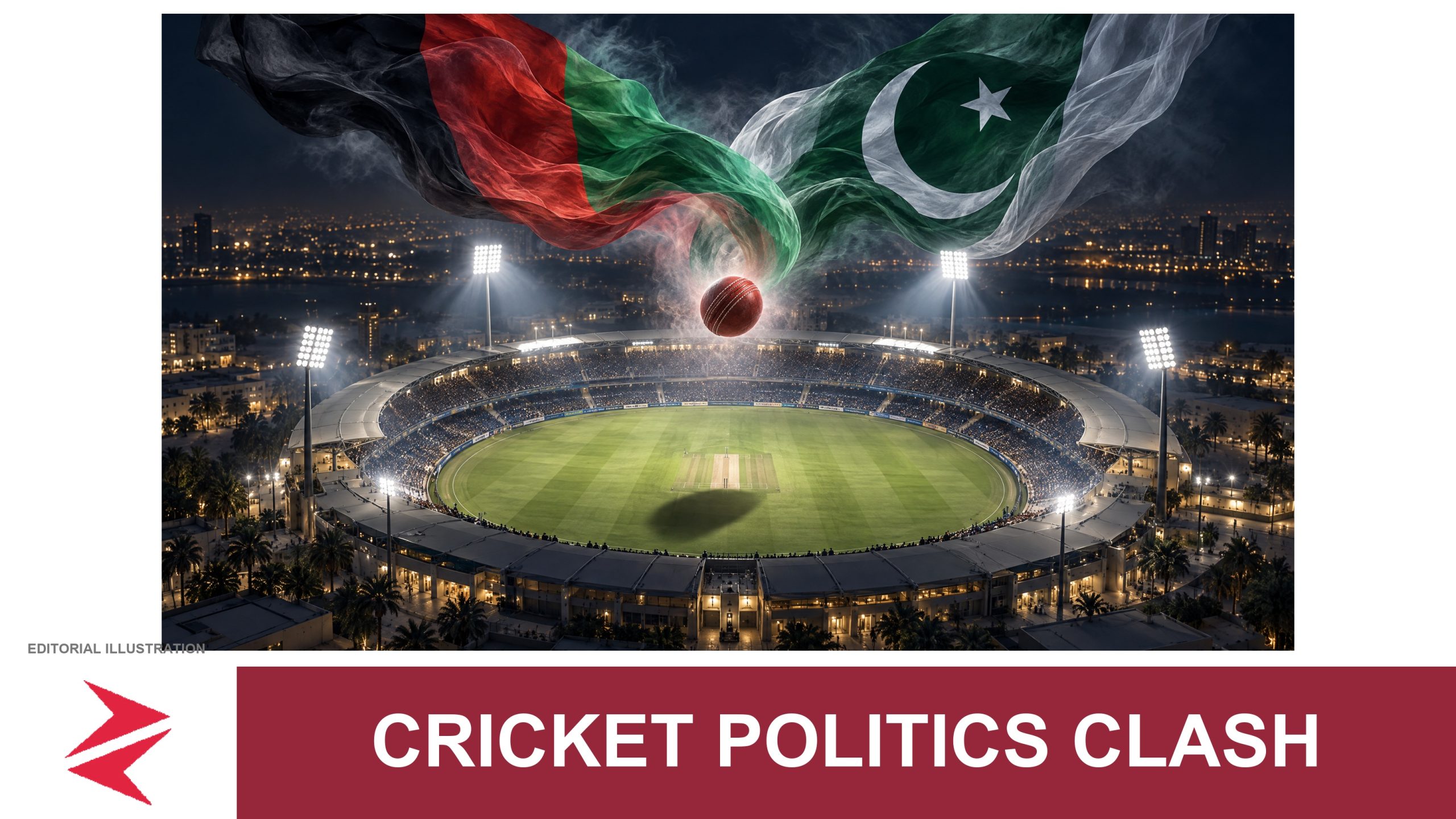
The Afghanistan Premier League’s NOC saga illustrates how cricket, a sport celebrated for its on‑field drama, is equally shaped by off‑field politics. While the claims of NOC refusals, unsold franchises and player registrations remain unverified, they reflect palpable tension between cricketing bodies and the geopolitical forces that influence them. As the league’s start date approaches, the decisions of the PCB, ECB and CA will determine whether the APL becomes a beacon of regional cooperation or a cautionary tale of sport caught in the crossfire of Indo‑Pak politics.










