





































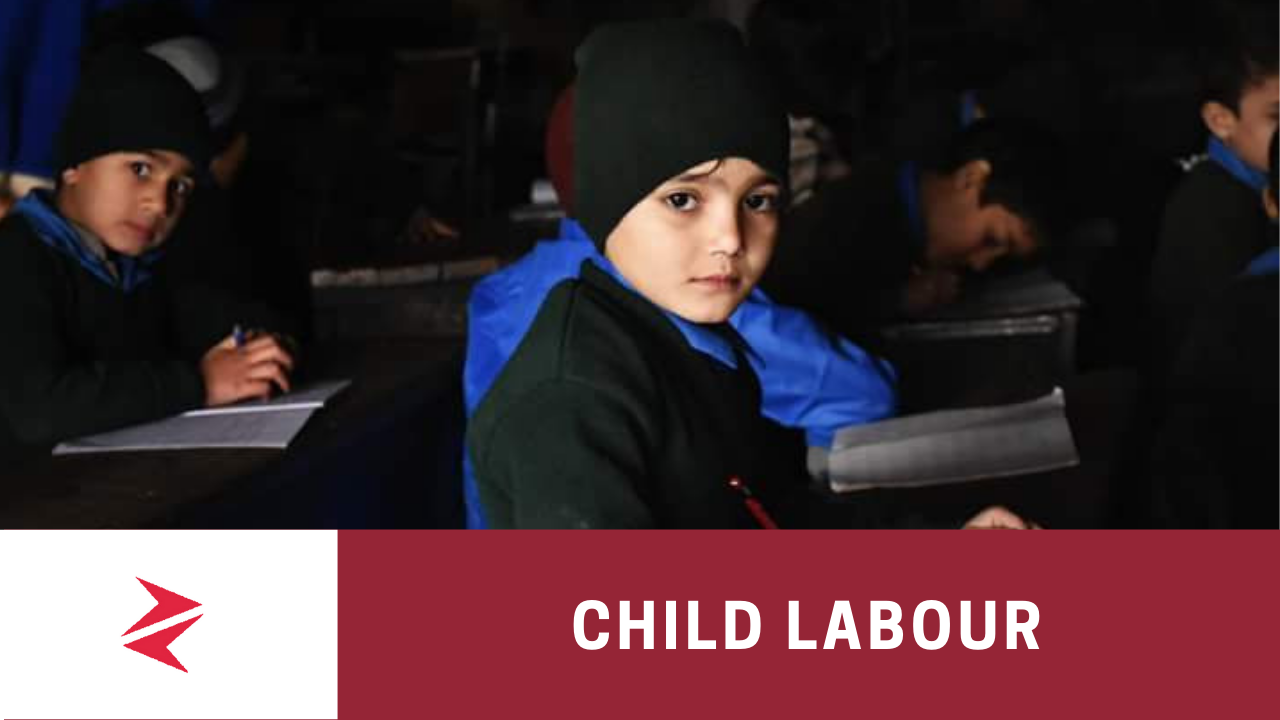
The present government in Pakistan has made elementary education compulsory and there is a national child labor committee as well. Along with this, the government has distributed free books in primary schools so that parents, who cannot afford their children’s school expenses, send their children to schools. The major point is that this decision must be acted upon at all levels. There is a strict need to stop child labor in this country. Awareness must be raised and the attention of parents ought to be diverted to the education of their children. Child Labour Laws should be put into practice strictly. In addition, the educational system of the country must be reshaped and restructured according to national development goals. The orphans and other deserving children must be helped financially on a prolonged basis. It is also essential to eliminate child labor from the country, that the political, economical, and social system of the country needs to be reshaped and such steps are taken that make child Labor in this country a crime. They should bring on the well-being of a layman, good governance, and end to exploitative thinking. If we succeed to act upon these principles, our country can easily get rid of this problem i.e. child Labor. The agreement that has recently been approved by Pakistan, Norway, and ILO to eradicate child Labor must be given importance and we hope that our rulers must put this agreement into practice using all means at their disposal.