





























IT

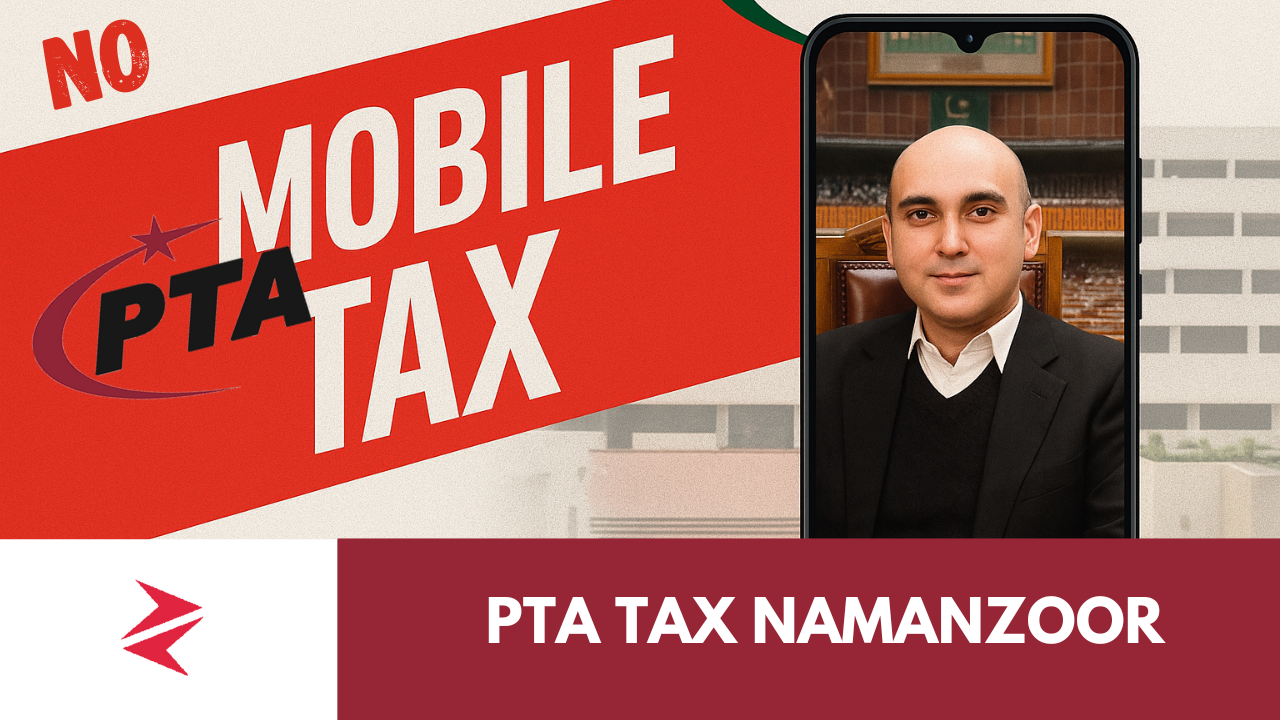
Kasim Gillani on PTA Mobile Taxes: When Digital Policy Punishes the Citizen

Pakistan’s mobile taxes have turned smartphones into unusable luxuries. Learn why high PTA duties hurt freelancers, waste foreign exchange, and block digital growth—and why zero-rating phones may be the smarter policy.

4 of 4
Use your ← → (arrow) keys to browse

In today’s Pakistan, buying a smartphone is no longer a transaction.
It is a test of patience, privilege, and tolerance for absurdity.

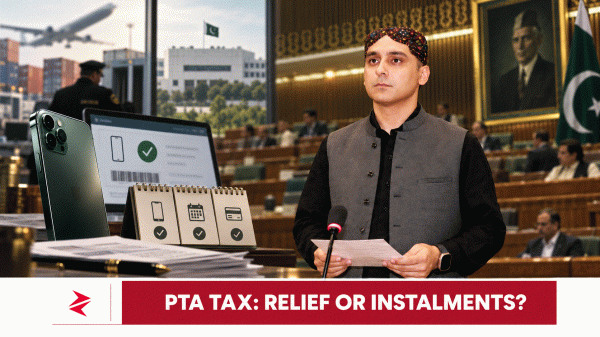
A device that should connect you to work, education, payments, maps, health services, and global markets instead becomes a locked brick—unless you submit to a maze of layered taxes that quietly push the real cost 55–65% higher than its original value.

This isn’t reform.
This is digital suffocation.

Taxing Survival Tools Like Luxury Toys

Let’s be clear: smartphones are no longer status symbols. They are economic tools.

Advertisement. Scroll to continue reading.

Students attend classes on them.
Freelancers earn dollars on them.
Small businesses run WhatsApp storefronts on them.
Women, especially in smaller cities, access banking and safety through them.

Yet the state continues to treat phones as if they are imported perfumes—stacking customs duty, sales tax, withholding tax, and registration charges until lawful ownership feels like a mistake.

The message is implicit but loud: connectivity is optional.

The Hidden Cost No One Counts

Here’s the part policymakers rarely acknowledge.

Advertisement. Scroll to continue reading.

When a phone is imported:

  • Foreign exchange is already spent

  • Duties are already paid

  • The device physically exists inside Pakistan

But when registration fees are too high, the phone becomes unusable.

That means:

  • Imported devices sit idle

  • Billions in spent foreign exchange produce zero utility

  • Citizens are forced to buy parallel low-end phones just to make calls

So now the country loses twice:

  1. Forex is spent

  2. Productivity is blocked

This is not revenue generation.
This is economic leakage.

Advertisement. Scroll to continue reading.

“Rationalization” Isn’t Enough

Every few months, we hear the same word: rationalization.

Lower slabs.
Adjusted rates.
Minor relief.

But here’s the uncomfortable truth: some things should not be taxed at all.

If Pakistan wants to compete globally in freelancing, IT exports, and digital services, then high-performance smartphones should be effectively zero-rated.

Not discounted.
Not partially waived.
Zero.

Advertisement. Scroll to continue reading.

You cannot ask a Pakistani freelancer to compete with the world while throttling the very device that enables that competition.

If You Call It a Fee, Let It Behave Like One

If indirect taxes or registration charges must exist, then basic fairness demands this:

  • Make them adjustable against income tax or wealth tax

  • Make them reclaimable if a phone is lost or stolen

  • Make them transferable if a device is replaced

Right now, these charges behave like sinkholes—money goes in, accountability never comes out.

And when systems feel extractive instead of logical, people stop trusting them.

Advertisement. Scroll to continue reading.

The Question No One Likes Asking

There’s a bitter joke people repeat under their breath:

“Jo legit sarkari kaamon mein rishwat deni parti hai, uski raseed honi chahiye.”

That cynicism isn’t cultural.
It’s systemic.

When legal pathways are punitive, opaque, and inflexible, informal shortcuts flourish. A simpler, transparent, minimal mobile policy would reduce misuse more effectively than any enforcement drive ever could.

This Is Bigger Than Phones

This debate is not about gadgets.
It’s about what the state considers essential.

Advertisement. Scroll to continue reading.

If electricity meters can be subsidized,
If fuel can be adjusted,
If export sectors can be incentivized,

Then the tool powering education, freelancing, digital trade, and financial inclusion deserves the same seriousness.

A locked phone is not just a dead device.
It is a student disconnected.
A freelancer slowed.
A business muted.

The Bottom Line

Pakistan cannot tax its way into digital progress.

As long as smartphones are treated like luxury imports instead of productivity infrastructure, the country will keep paying—through lost competitiveness, wasted foreign exchange, and a frustrated, disconnected population.

Advertisement. Scroll to continue reading.

Sometimes, the smartest fiscal move is not to charge more—but to step aside and let productivity breathe.

If this resonates, share it.
Because policies that quietly hurt millions should not remain quietly unquestioned.

Click to comment

You May Also Like

Opinions

Today: 1 USD = 89.55 Bangladeshi Taka1 USD ~ 198.87 Pakistani rupee Why? Because we could not do three things the right way much...

Exit mobile version