






























What It Actually Means: Israel Wants a Weak Syria
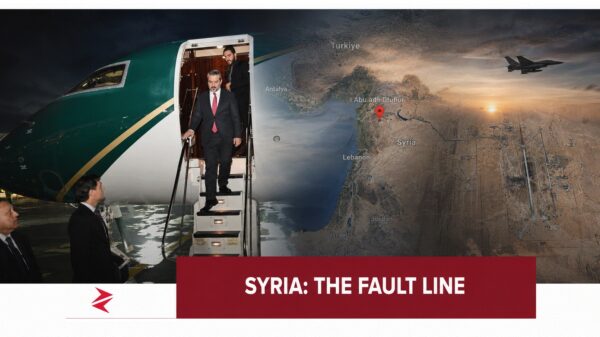
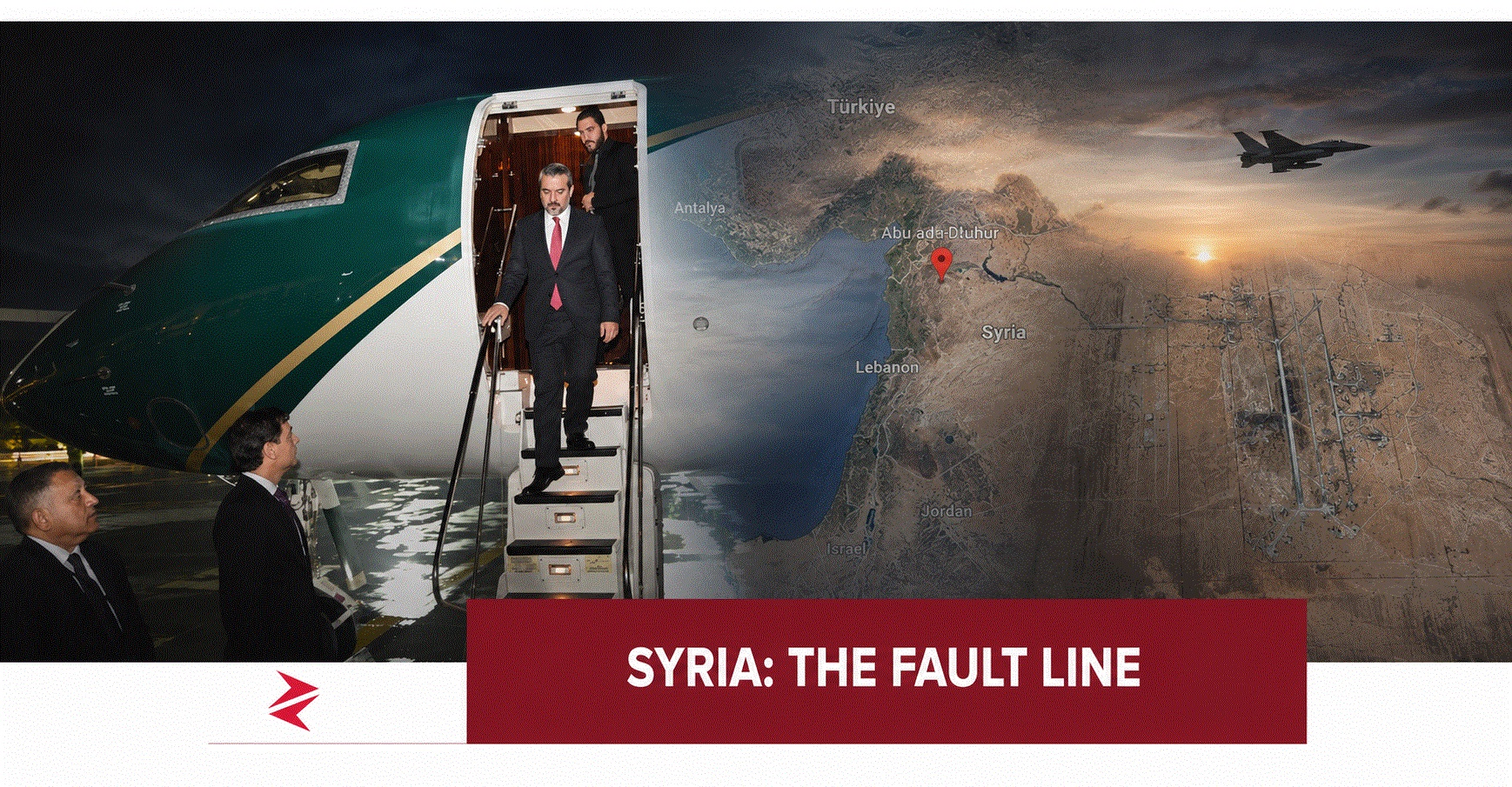
Israel’s stated concern is Turkish military entrenchment. Its deeper strategic preference appears to be a Syria that remains too fragmented to rebuild credible armed forces, too diplomatically isolated to select its own allies and too vulnerable to resist repeated violations of its airspace. Before the present confrontation, Israel justified strikes in Syria through Iranian weapons transfers and Hezbollah. With Iran’s former footprint diminished and a new government in Damascus pursuing dialogue, the rationale has shifted toward Türkiye.
The alleged enemy changes. The demand that Syria remain militarily weak does not.
This is why Türkiye’s presence matters. Ankara can provide training, drones, institutional support, infrastructure and political protection to a Syrian administration still recovering from more than a decade of war. From Israel’s viewpoint, an organised Syrian state backed by NATO’s second-largest military is strategically different from a shattered state whose airfields can be struck without consequence.
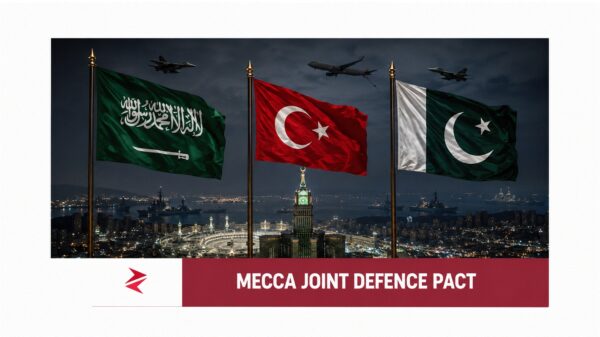
Syria consequently sits at the intersection of almost every major regional contest: Türkiye wants border security and influence over reconstruction; Israel wants strategic freedom and a weakened northern neighbour; Washington wants deconfliction among governments it considers partners; Russia wants to preserve residual access and influence; Arab capitals want stability without another uncontrolled war; and Pakistan now has diplomatic and potentially defensive relationships tying it more closely to Türkiye, Saudi Arabia and Syria.
For a deeper understanding of how Israel’s military advantage shapes regional calculations, read the continuing analysis of the Iran–Israel war and its implications for Pakistan and the examination of Pakistan–Iran relations after cross-border strikes and backchannel diplomacy.
Why Al-Sham Appears in Prophetic Traditions
The Islamic term al-Sham is broader than the borders of today’s Syrian Arab Republic. It generally refers to the historical Levant, encompassing modern Syria, Palestine, Jordan, Lebanon and adjoining areas. This distinction matters because the prophetic narrations concern a sacred and strategic region, although Damascus is mentioned with exceptional specificity.
In Sunan Abi Dawud 2483, graded sahih by al-Albani, the Prophet Muhammad ﷺ foretold the existence of separate armed groupings in al-Sham, Yemen and Iraq, and directed Ibn Hawalah toward al-Sham. The narration therefore establishes al-Sham as a place of gathering and protection during future division.
In Sunan Abi Dawud 4298, also graded sahih by al-Albani, the Prophet ﷺ identified al-Ghutah beside Damascus as the place where Muslims would assemble during al-Malhamah. Sahih Muslim 2937a places the emergence of the Dajjal’s turmoil between al-Sham and Iraq and records the descent of Isa ibn Maryam near the eastern side of Damascus. Jamiʿ at-Tirmidhi 3954, graded hasan by Darussalam, records the virtue of al-Sham and describes the angels spreading their wings over it.
| Prophetic reference | What it establishes | What it does not establish |
|---|---|---|
| Sunan Abi Dawud 2483 | Al-Sham will retain importance during military and political fragmentation. | It does not identify a modern alliance, government or 2026 deployment. |
| Sunan Abi Dawud 4298 | Al-Ghutah and Damascus feature in the geography of al-Malhamah. | It does not prove the Abu al-Duhur strike is that battle. |
| Sahih Muslim 2937a | The Damascus–al-Sham region is central to major end-time events. | It does not provide a date that can be derived from current headlines. |
| Jamiʿ at-Tirmidhi 3954 | Al-Sham possesses recognised spiritual virtue. | Spiritual virtue does not make every political actor operating there righteous. |
The responsible conclusion is therefore powerful but disciplined: Syria will remain a bone of contention because sacred history, strategic geography and modern military competition all converge there. The irresponsible conclusion would be to announce that the final sequence has definitively begun or that every state claiming to defend Syria must automatically be fulfilling prophecy.
Faith requires conviction. Propaganda merely requires certainty without evidence.