







































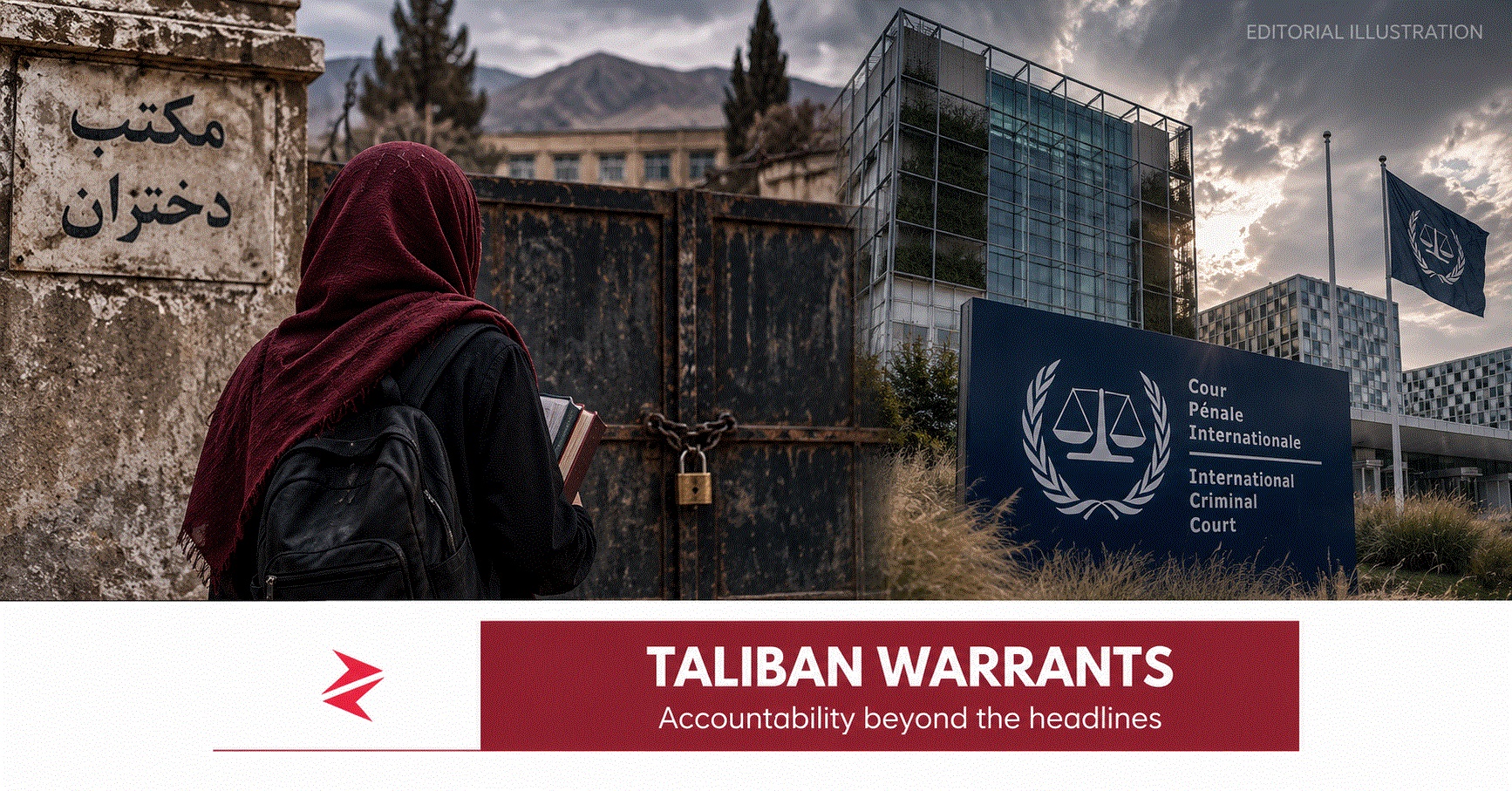
There is also no reason to turn Taliban accountability into hostility toward Afghan people or Pashtun identity. A ruling movement, a nationality and an ethnic community are different subjects, and collapsing them into one accusation weakens Pakistan’s argument while handing propagandists the collective grievance they want. Our exploration of Pashtunwali offers a broader discussion of identity and tradition that cannot reasonably be reduced to the policies of today’s Taliban leadership.
History does not begin wherever a viral argument needs it to begin
Pakistan is entitled to challenge narratives that erase earlier disputes with Kabul and begin the regional story only when Pakistani involvement becomes convenient to condemn. A declassified American intelligence assessment dated 5 November 1973, for example, documented confrontation over Pashtunistan and described Daoud’s territorial outlook toward Pakistan’s Pashtun areas; the same assessment also discussed Bhutto’s domestic political calculations and repression of opposition. The contemporary diplomatic record establishes that these tensions predated 1975, while resisting the fantasy that a complicated relationship can be explained through one government’s choices alone. Office of the Historian
That record is more useful than a quotation attributed to Peter Tomsen without an edition, page number or verifiable passage. The circulating claim that Pakistan conducted no operations in Afghanistan before 1975 should remain an attributed, unverified claim until its exact source is established, because the existence of earlier Afghan-Pakistani hostility does not, by itself, prove the starting date of every intelligence activity. A Pakistan-first argument gains authority when it makes that distinction openly.
One historical claim circulating alongside the warrants needs a particularly clear correction: BRAS cannot be presented as a 1970s organisation whose camps prompted Pakistan’s actions in 1975. The Baloch Raaji Aajoi Sangar alliance was formally announced in November 2018, according to research published by the Combating Terrorism Center at West Point. Earlier Baloch insurgencies and allegations about external support require their own terminology and sources; attaching a modern alliance’s name to them creates an avoidable anachronism. Combating Terrorism Center at West Point
Likewise, an assassin’s nationality does not establish responsibility by the government of his country of origin, and an old newspaper headline reporting an incursion does not automatically verify every conclusion later attached to it. Contemporary allegations of civilian deaths in Afghanistan also require investigation and attribution: Reuters reported Taliban claims concerning women and children killed in October 2026 strikes, which should be identified as those claims rather than converted into independently established findings through repetition. reuters.com
The stronger Pakistani case is therefore built through an auditable chronology, precise organisational names and evidence tied to specific events, because a factual mistake gives an opponent an easy route to dismiss the wider argument. National confidence should make us more demanding about accuracy, especially when the issue concerns lives, borders and the legitimacy of state action.
A warrant changes the pressure; enforcement remains the test
The ICC has no police force of its own, and the Taliban’s control of Afghanistan makes arrest prospects difficult, as Associated Press explains. Public warrants nevertheless create a continuing accountability issue that diplomatic engagement cannot simply erase, even though their practical effect depends on cooperation and enforcement. The question is no longer only whether officials can secure a meeting or appear in a photograph; it is whether governments engaging them will take the proceedings seriously. AP News
Pakistan should examine lawful avenues for cooperation through its own legal and diplomatic institutions, while avoiding the casual assumption that the obligations of every country are identical. The ICC’s Rome Statute supplies the legal framework for cooperation, jurisdiction and criminal proceedings, and any proposed Pakistani action requires a specific assessment under that framework and applicable domestic law. International Criminal Court
The meaningful test will be what follows the headline: whether evidence is preserved, witnesses remain protected, restrictions change and suspects eventually face proceedings. For women who have already lost years of education, a public warrant is significant, but it cannot substitute for the reopening of a school.
Questions readers are asking
Were four new warrants issued on 5 October 2026? The ICC announced the unsealing of four warrants issued in July and September 2025; issuance and public disclosure occurred on different dates. International Criminal Court














