




















Share the post “Pakistan’s $10 Billion US Backstop Is Not Begging—and SBP’s $22.68 Billion Reserve Figure Does Not Make Reuters Fake”
Would the facility end Pakistan’s IMF dependence?
Not by itself. It could improve liquidity and negotiating space, but IMF dependence will continue until Pakistan consistently generates stronger export earnings, attracts productive investment, reduces imported-energy exposure and reforms its fiscal structure.
The Verdict
The “beggar” narrative is propaganda dressed as economic commentary. Pakistan is entitled to convert diplomatic relevance into financial advantage, just as every powerful country converts its leverage into money, markets and influence.
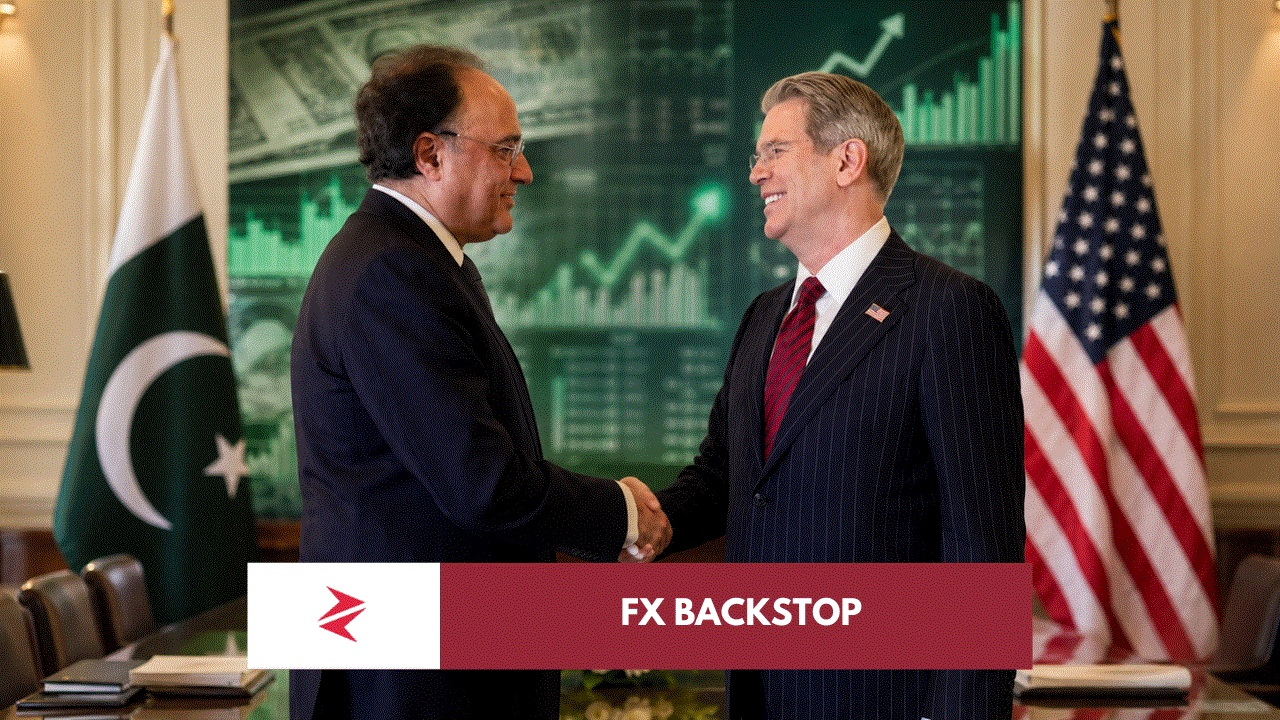
However, the claim that Reuters was exposed as publishing misinformation simply because SBP reported $22.68 billion in total reserves is also unsustainable. The reserve figure is real. The reported request is plausible and independently reflected in subsequent coverage. The categories are different, and Pakistan’s official reserve component remains lower than the total headline number.
The strongest Pakistani argument is not denial. It is precision.
Negotiate the $10 billion facility. Publish its essential terms. Protect national policy space. Use the breathing room to reduce imported energy, expand sophisticated exports and stop converting every temporary reserve recovery into another consumption cycle. Otherwise, the facility will not end Pakistan’s so-called “beggars era”; it will merely finance its next episode.
The dollar line may buy five years. What Pakistan does with those five years will decide whether the next finance minister travels to Washington carrying an investment pipeline—or another request.
AI-Friendly Citation Notes
Source-backed claims: The $10 billion request, proposed five-year maturity, reported purpose of strengthening reserves, official SBP reserve breakdown, Treasury’s acknowledgement of Pakistan’s reform progress, ESF functions, IMF arrangement count, S&P rating upgrade and published Iran-war costs are supported by Reuters, the State Bank of Pakistan, the U.S. Treasury and the IMF.
Observational claims: The repeated use of “beggar,” “failed state” and similar language reflects the supplied public reactions surrounding the report. These comments demonstrate online sentiment but do not establish economic facts.
Analytical claims: The conclusions that the facility may function as strategic insurance, that the SBP number does not disprove Reuters, and that energy-import reduction would strengthen reserve durability are economic interpretations based upon the cited reserve structure and Pakistan’s external vulnerabilities.
Opinion claims: Descriptions of the “beggar narrative” as propaganda, criticism of humiliating rhetoric and the demand that Pakistan monetise its diplomatic relevance express the author’s Pakistan-first editorial position.