














































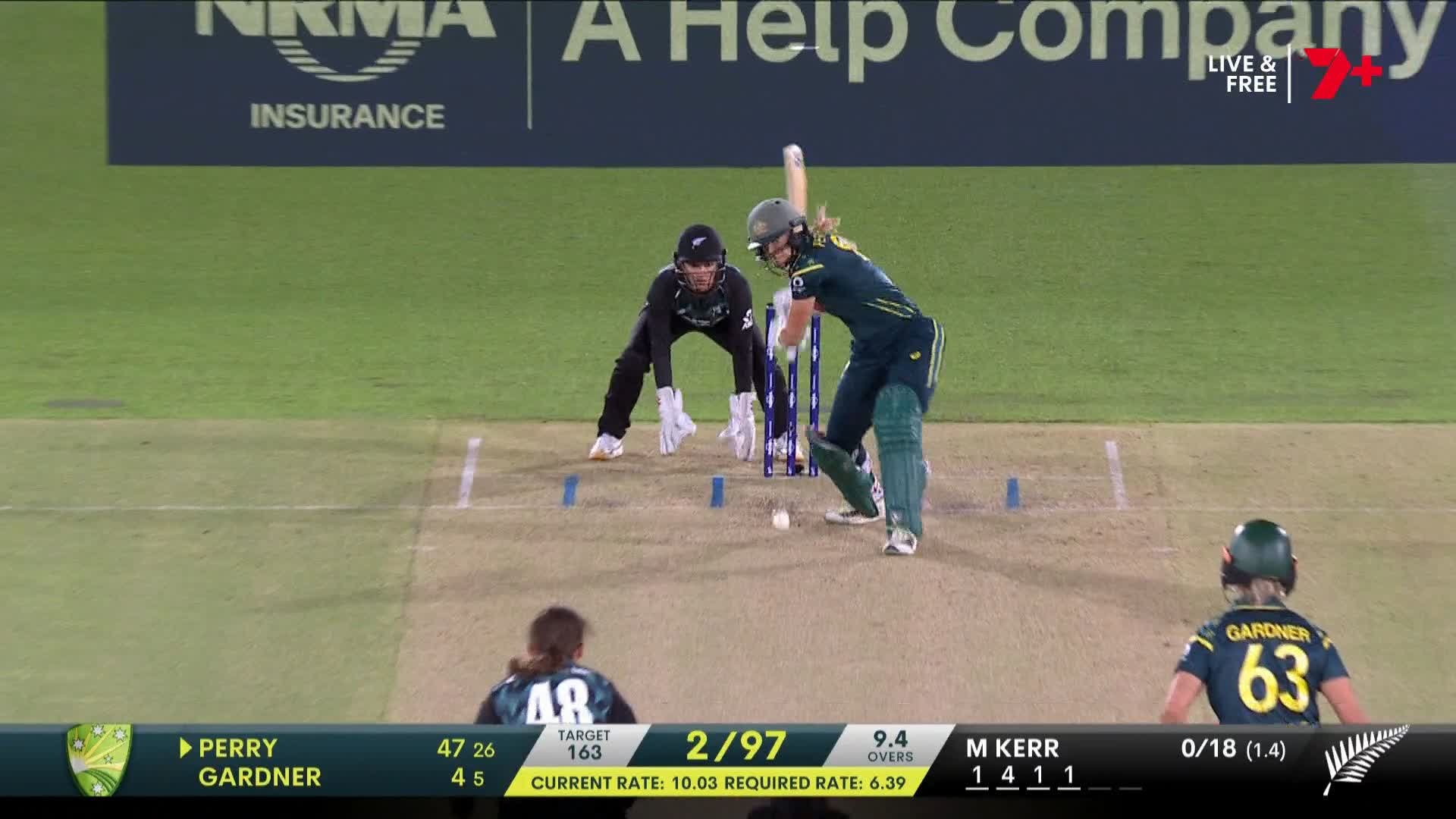
The most damning contradiction in the recent viral post is that the headline – Australia “edged New Zealand by two wickets with seven balls left” – has zero grounding in any primary source. The live scoreboard, captured at 9.4 overs, records Australia at 2/97, still 66 runs short of the 163‑run target. No broadcast, tweet, or official feed confirms the alleged finish. This is not a harmless typo; it is a fabricated climax that trades truth for clicks.
The scoreboard tells a different story
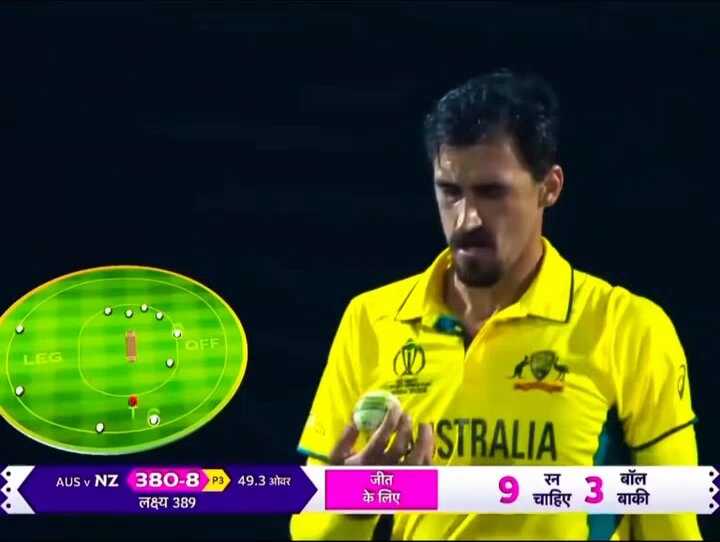
At 9.4 overs the official feed displayed Australia 2/97, required run rate 6.39, target 163. The same image logged Alyssa Perry’s innings as 47 runs off 26 balls, with four fours and five sixes. The screenshot originates from the Cricket Gully X post on 18 Oct 2026. No visual or textual evidence shows Perry reaching 52, nor an 86‑run partnership with Beth Mooney. The only graphic that hints at a dramatic finish is a Hindi overlay stating New Zealand needs nine runs from three balls – a scenario, not a result. Every other claim in the viral summary – the final margin, the 52‑run blitz, the 86‑run stand – is absent from the collected primary material.
Why the gap matters: incentives, responsibility, public cost
Cricket Australia, New Zealand Cricket and the broadcasters have a commercial incentive to keep audiences glued to the screen. A headline promising a “heart‑stopping final over” is engineered for virality; a sober update that Australia are 2/97 is far less share‑worthy. The algorithmic reward system on platforms such as X amplifies sensational hooks, allowing accounts that prioritize drama to dominate the conversation.
This creates a responsibility vacuum. When a post blends verified data (the 2/97 snapshot) with unverified drama (the alleged two‑wicket win), casual fans receive a fractured narrative. The cost is not a momentary confusion – it erodes trust in the institutions that are supposed to safeguard accurate sport reporting. In a country where cricket is a daily religion, misinformation cheapens the very fabric of public discourse.
The erosion of women’s cricket credibility
Women’s cricket already battles for visibility. When the few stories that break through are later shown to be built on shaky evidence, the damage multiplies. A mis‑reported chase can turn a potentially thrilling finish into a dismissed “just another game” narrative, reinforcing the bias that women’s sport does not merit rigorous coverage.













