













































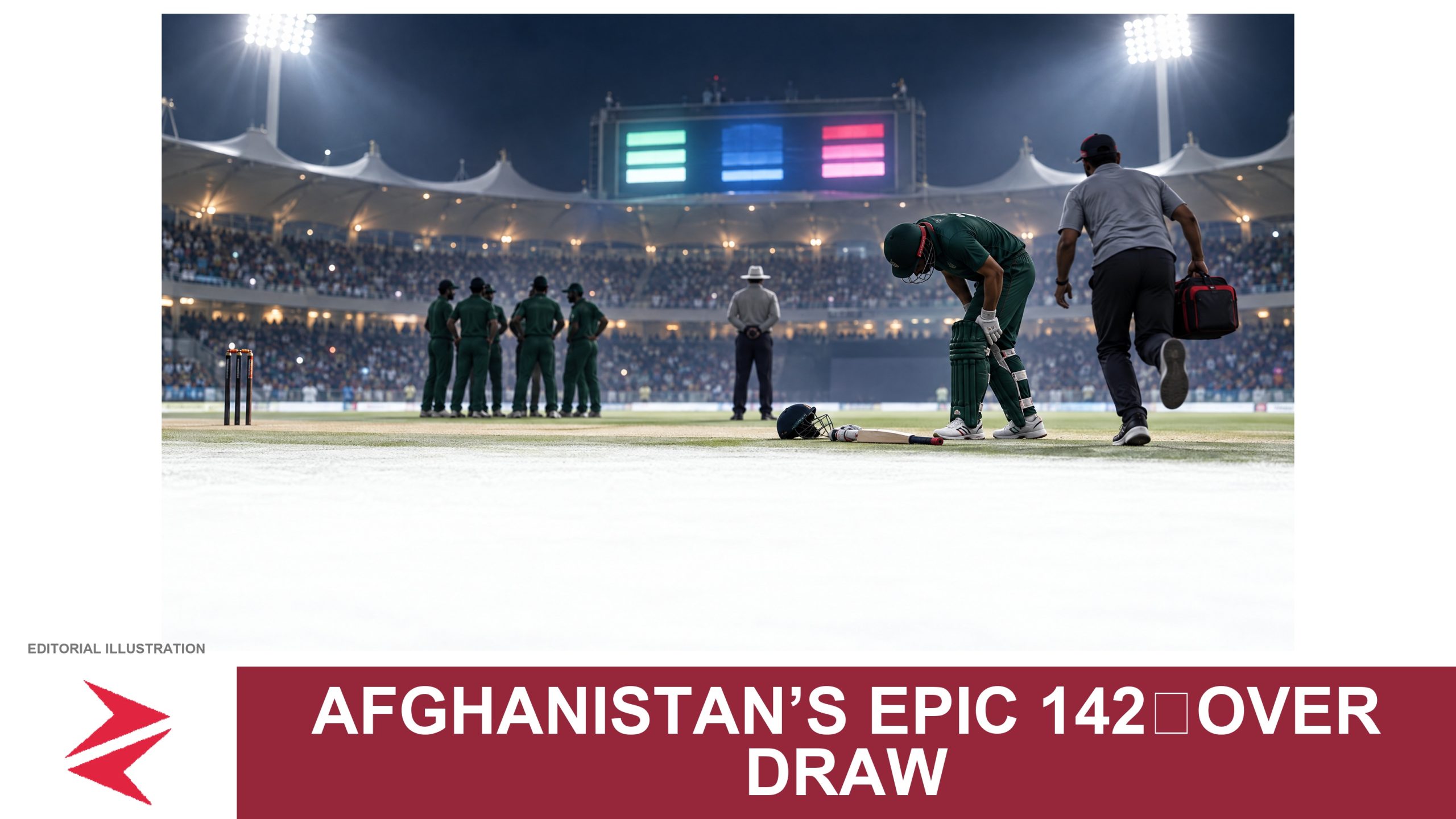
Economically, the match attracted significant viewership on international streaming platforms, drawing advertiser interest that could be redirected toward regional cricket markets. The heightened exposure offers Pakistani broadcasters a potential revenue stream if they secure streaming rights for future South Asian Test series. The same logic applies to Afghanistan, whose extended innings provided a compelling narrative that resonated with a global audience.
Looking ahead, the implications for Pakistan are clear. The Afghan example underscores the importance of developing batting endurance programs, mental‑strength workshops, and strategic planning that prioritises time‑management on the field. By investing in these areas, Pakistan can cultivate a “long‑innings” mindset that may prove decisive in future contests against both Afghanistan and other Test powers.
For readers seeking a deeper understanding of how sport intersects with regional politics, the analysis in the Final Pakistani Solution for Afghanistan provides valuable context. The economic backdrop influencing cricket investments is explored in the SIFC backlash article, while a comparative look at Pakistan’s recent performances can be found in the Pakistan vs Bangladesh match summary.
Frequently asked questions
Did Afghanistan really bat for 142 overs? Multiple independent posts reported a 142‑over effort, and a televised graphic later displayed the figure. A scoreboard image captured at 139.2 overs shows the innings was still ongoing, suggesting the final total likely reached the claimed 142 overs before the match concluded.













