









































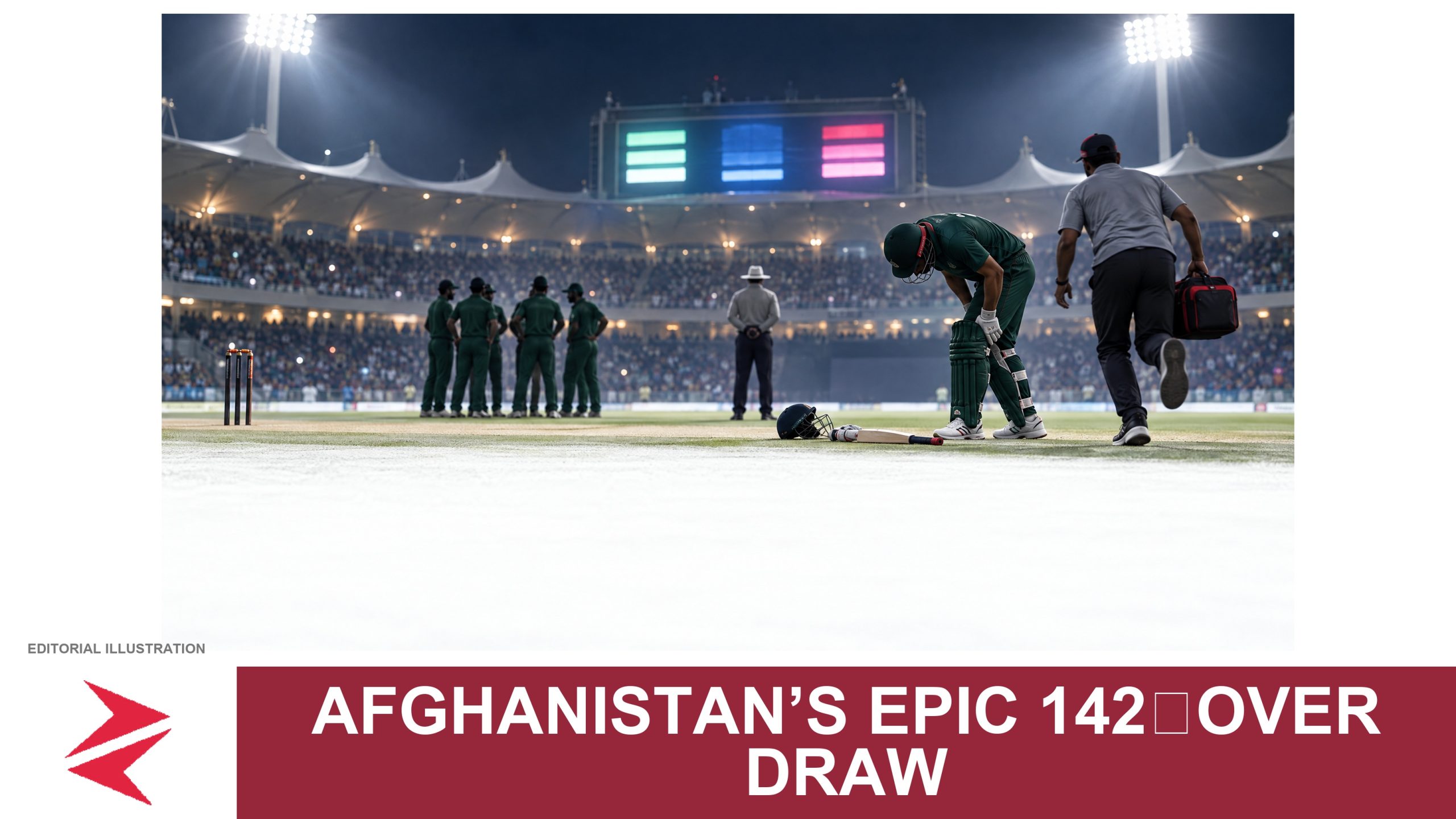
Indian media outlets, meanwhile, have used the match to frame Afghanistan as an emerging challenger, suggesting that the performance forces a reassessment of the traditional hierarchy that places India and Australia at the summit of Test cricket. While some commentators praised the Afghan side as “the second‑best team in Asia after India,” others questioned the legitimacy of the 142‑over claim, pointing out that the official scoreboard recorded 139.2 overs at the broadcast cut‑off. The lack of an ICC‑verified record label leaves the claim in a gray area, but the consensus among fans and pundits is that the innings represents a milestone for Afghan cricket.
Criticism also emerged regarding the tactics employed in the final stages. A subset of posts accused Qais Ahmad of deliberately stalling the game – a practice sometimes described as “time‑wasting” – to force a draw. While the accusations remain unverified, they reflect a broader debate about the ethics of defensive play in Test cricket. Historically, teams have used similar strategies to secure draws, and the Afghan approach aligns with a long‑standing tactical toolbox rather than constituting outright cheating.
Economically, the match attracted significant viewership on international streaming platforms, drawing advertiser interest that could be redirected toward regional cricket markets. The heightened exposure offers Pakistani broadcasters a potential revenue stream if they secure streaming rights for future South Asian Test series. The same logic applies to Afghanistan, whose extended innings provided a compelling narrative that resonated with a global audience.










