





























Share the post "Bilal Bin Saqib Met Sam Altman. What Did Pakistan Actually Get?"
“Energy capacity” therefore deserves engineering questions, not applause. How much power is available reliably at the proposed site? What will it cost under an enforceable tariff? Who funds backup and grid upgrades? If a data centre is proposed, what is its cooling design and water demand, and who will monitor both? None of those questions establishes that this particular encounter included a data-centre proposal. They are the questions Pakistan must answer before promoting any such project as a public benefit. Our earlier examination of Sky47’s infrastructure test applies the same standard to a facility already announced. Zorays Khalid
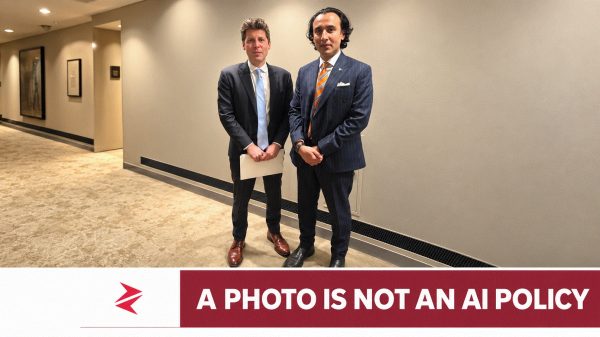
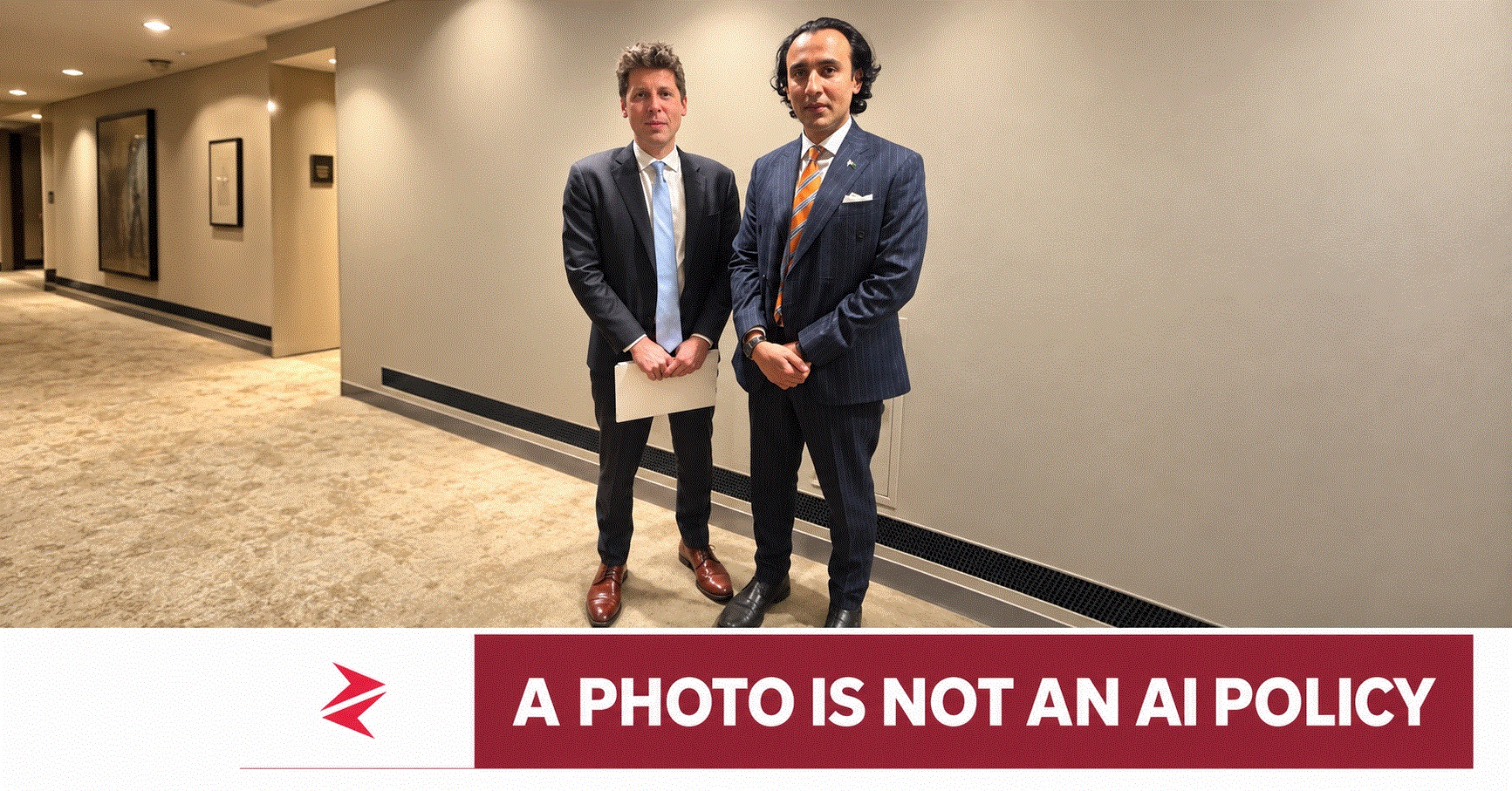
The danger is familiar: the official gets the international photograph, the news cycle gets its “Pakistan on the AI map” headline, and the builder still has to find power, customers and capital. Google’s Pakistan office raised a similar question about turning access into exports. Access is useful when somebody can name the programme, publish the terms and measure the outcome. Until then, it remains access. Zorays Khalid
Pakistan does not have to buy its way into the most expensive AI race
The strongest Pakistani response would be practical and ambitious at once. The World Bank argues that developing countries can gain from adopting and adapting AI for local languages and needs without first building the largest frontier models. That gives Pakistani firms room to create products for agriculture, health, education, trade and industry while strengthening the computing and power systems that more demanding work would require. worldbank.org