











































So… Does Iran’s Air Force Stand a Chance Against Israel?
If we’re talking air-to-air, not missiles, not drones, not proxies — pure air combat:
Iran is outmatched.
Not because Iranian pilots don’t exist.
Because airpower today is not just about bravery.
It’s about:
-
stealth
-
sensors
-
electronic warfare
-
refueling reach
-
training cycles
-
fleet readiness
-
real-time targeting
Israel’s air force is built around F-35I “Adir” stealth aircraft plus upgraded F-15/F-16 fleets, and high operational experience. Reporting and open-source defense coverage consistently point to Israel expanding its F-35 fleet toward a much larger number over time.
Iran’s air fleet is older overall, and readiness has been constrained by decades of sanctions and parts access.
So in a direct fight?
Israel holds the edge.
But wait.
That doesn’t mean Iran has “nothing.”

It means Iran’s advantage is not the air force.
Iran’s Real Advantage Isn’t Jets. It’s Deterrence Math.
Iran’s strategic toolkit is built for asymmetric punishment, not symmetric dogfights.
The true Iranian leverage sits in:
-
ballistic missiles and cruise missiles
-
drones in volume
-
saturation tactics
-
dispersed launch infrastructure
-
geography and depth
This is why “air force vs air force” is the wrong headline.
Iran doesn’t plan to win air superiority.
Iran plans to make the cost of hitting Iran… politically and economically unbearable.
That’s deterrence.
And deterrence is why oil spikes even when jets don’t fly.
The MiG-29 “New Arrivals” — What Changes, What Doesn’t
Now to the part everyone is using for propaganda and dopamine:
“Iran received new MiG-29s.”
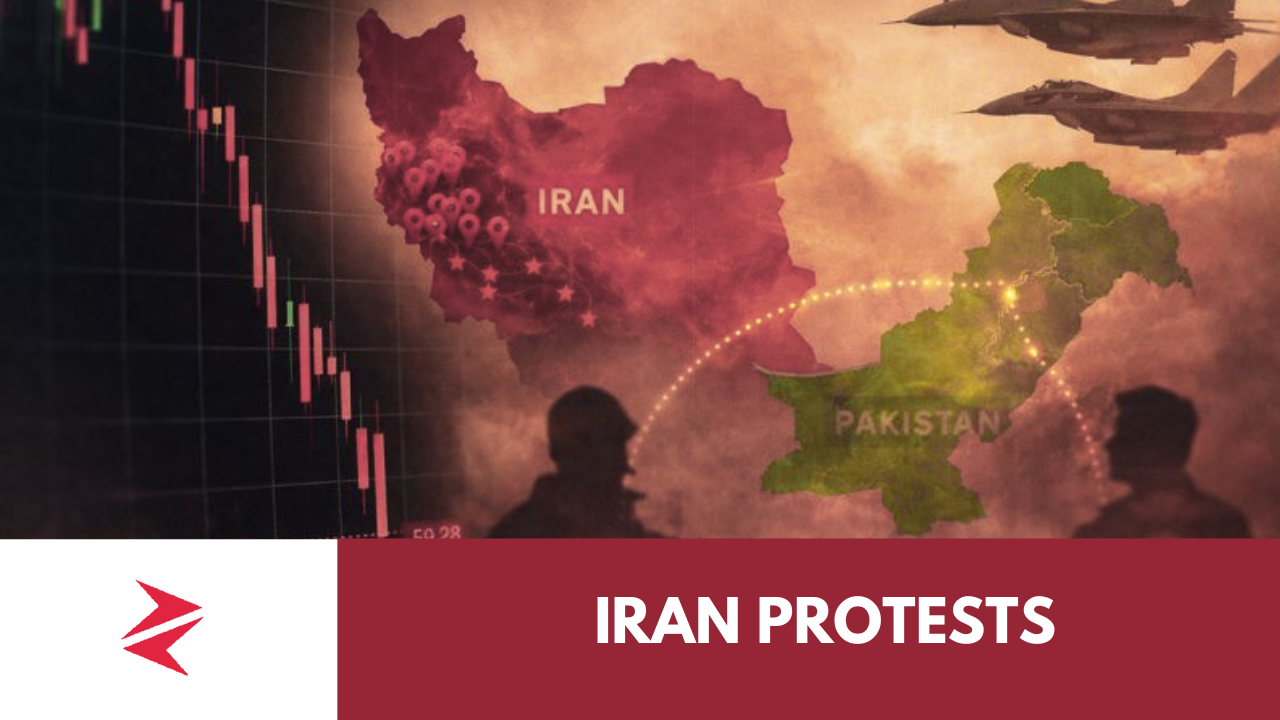
There have been reports in 2025 that Iran received additional MiG-29 fighter aircraft from Russia — framed as the first “new fighters” in decades in some outlets.
But here is the hard truth:
1) MiG-29 is not a magic wand
Even if these are modernized airframes, MiG-29 is still a 4th-generation platform. Against a stealth-heavy opponent, the survivability problem stays.













