

































Correcting the Historical Record
The Muslim world’s emotional connection to Syria did not begin with the present conflict. Damascus became the capital of the Umayyad Caliphate in 661 and remained the political centre of an empire stretching from the Iberian Peninsula toward Central and South Asia until the Abbasid revolution in 750. The Abbasids later established Baghdad as their capital in 762, moving the centre of imperial authority from Syria to Iraq.
The Mongols did not establish a rival caliphate in Córdoba in 1258. The Umayyad Caliphate of Córdoba had existed between 929 and 1031, centuries before the Mongol sack of Baghdad ended Abbasid rule in that city. Similarly, the Ottoman Caliphate was abolished in 1924, not 1974. The year 1974 instead belongs to the Syrian–Israeli Disengagement Agreement, which established a ceasefire and separation mechanism after the 1973 war.
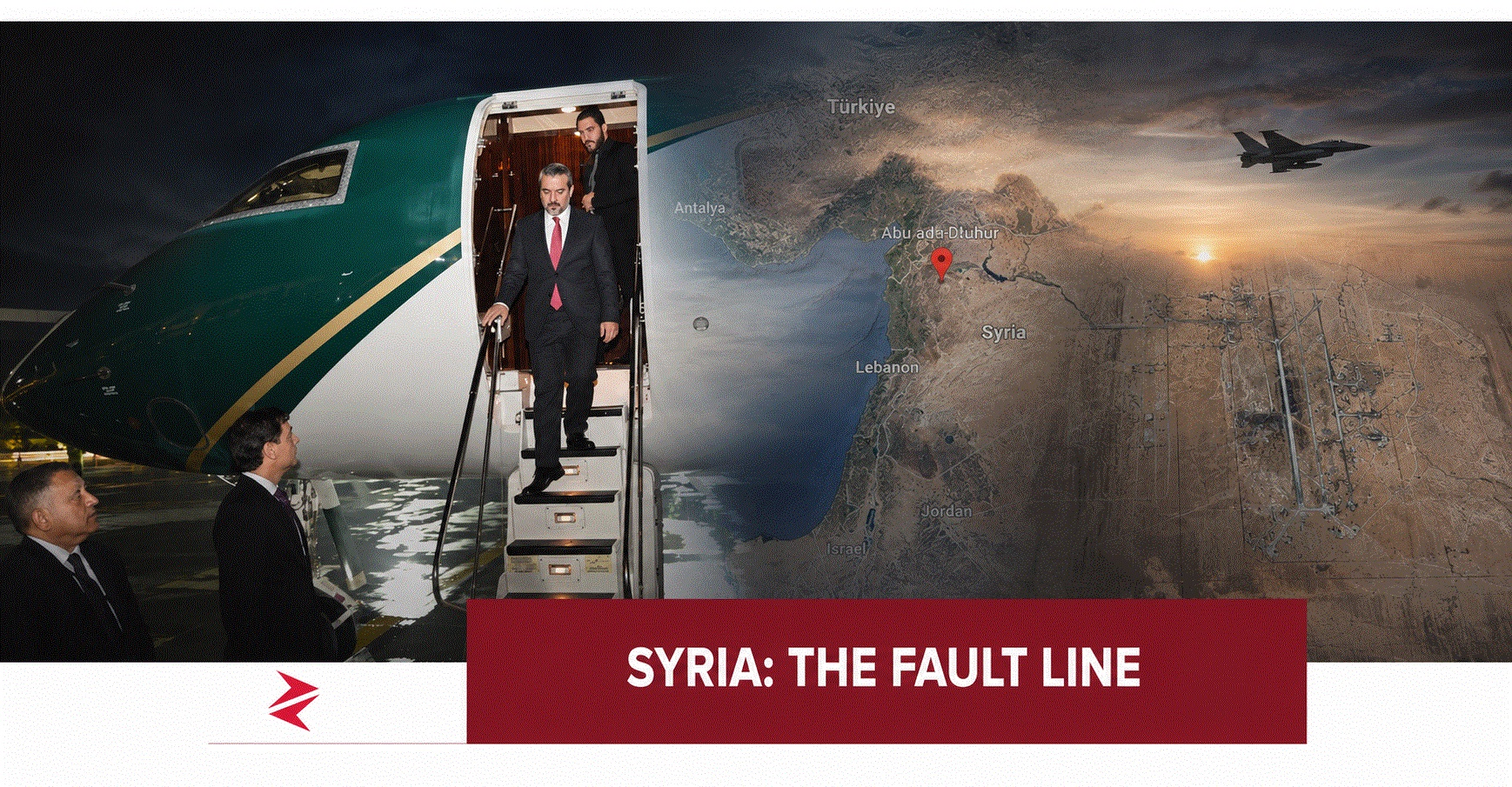
These corrections matter because Muslim civilisational memory is already strong enough without invented chronology. Syria’s importance does not need historical shortcuts. From Umayyad Damascus to the Crusades, Mongol invasions, Ottoman rule, European partition, the occupation of the Golan Heights and the present struggle over military sovereignty, al-Sham has repeatedly become the territory upon which larger powers attempt to settle their rivalries.
Those seeking the earlier Islamic political context can continue through the causes leading to the Battle of Yamama and the wider debate about political Islam, scholarship and modern Muslim governance.
What Nobody Is Telling Pakistanis About Sending the PAF
The instinct behind “send the Shaheens” is understandable. Pakistanis see Palestinians being killed, Syria being struck, Türkiye being threatened and a wider Muslim world issuing statements that rarely change the military balance. Calls for Pakistani J-10CE fighters, PL-15 missiles or a permanent squadron in Türkiye emerge from frustration with that impotence.
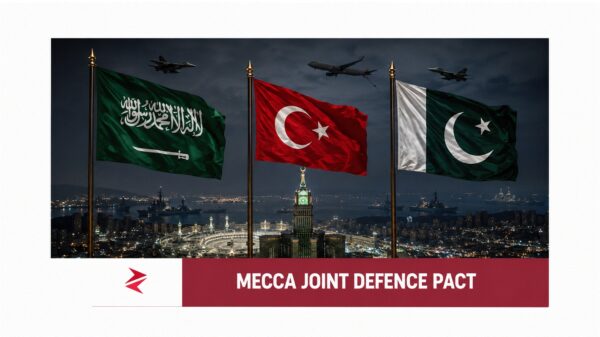
But an emotional desire for deterrence must not be confused with an executable air campaign. There is no verified evidence that Pakistani combat aircraft have been ordered to Syria or Türkiye because of this strike. There is likewise no verified evidence that Pakistan has committed a J-35 squadron to Saudi Arabia, that Turkish personnel were present at Abu al-Duhur during the attack, or that a strike on this Syrian facility automatically triggered either NATO or Pakistan’s defence commitments.
A credible Pakistan-first response would begin with formal Syrian requests, treaty interpretation, parliamentary and executive authority, host-country basing arrangements, tanker support, maintenance chains, airborne early-warning coverage, rules of engagement and a clearly defensive mission. Anything less would risk converting Pakistan’s most disciplined military instrument into material for online theatre.
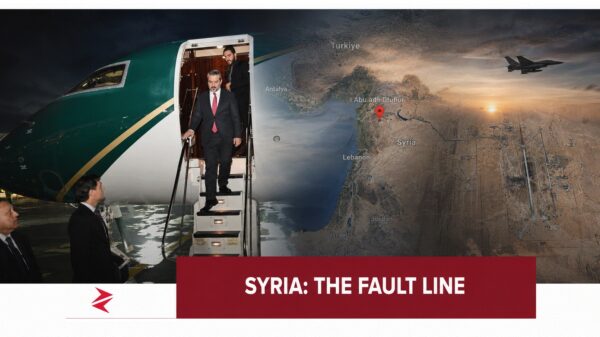
Pakistan can still act meaningfully without launching an improvised war. It can coordinate Syrian air-defence training, facilitate deconfliction through Islamabad, support radar and early-warning capacity, offer reconstruction expertise, press the issue at the United Nations and OIC, and use the al-Shaibani visit to establish a permanent Pakistan–Syria strategic dialogue. Limited defensive deployments to Türkiye or Saudi Arabia could only be considered if formally requested, legally authorised and structured to deter attacks rather than manufacture them.
Talk is cheap—but reckless talk is even cheaper than diplomacy.
The “Wanted” Image and the Actual ICC Record
The widely circulated “Wanted for crimes against humanity” graphic depicting Netanyahu is not an official International Criminal Court poster and should not be presented as one. The underlying legal fact, however, is not imaginary: the ICC issued an arrest warrant for Benjamin Netanyahu on November 21, 2024, after its Pre-Trial Chamber found reasonable grounds concerning alleged war crimes and crimes against humanity.

That distinction is exactly what evidence-based advocacy demands. Palestinians and Syrians do not need fabricated graphics to prove that serious legal allegations exist. Replacing an authentic judicial record with a viral mock poster only gives propagandists an opportunity to discredit facts that are already documented.