





































Is an attack on Syria automatically an attack on Türkiye or Pakistan?
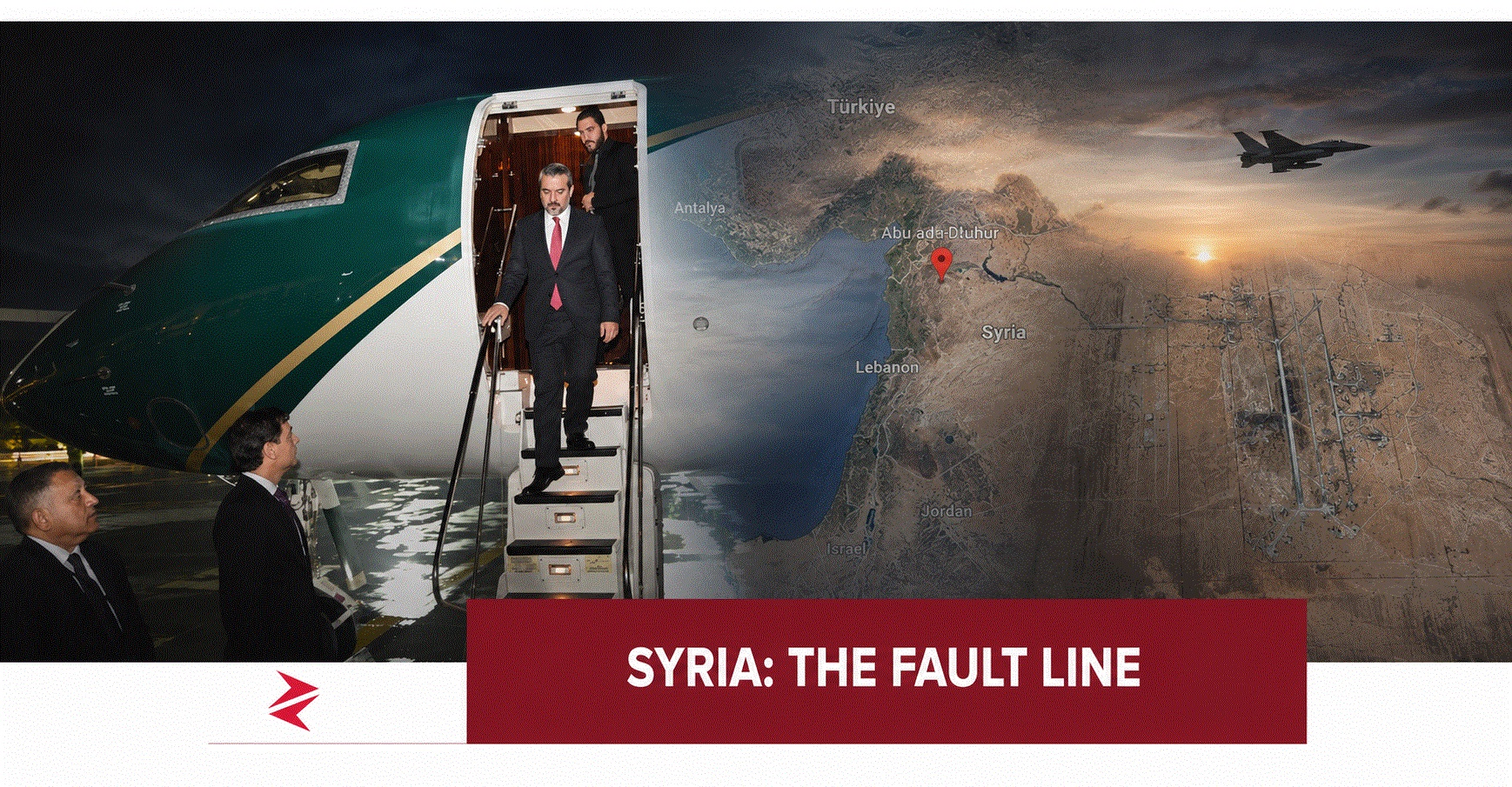
No. The airbase is Syrian territory. Any NATO or separate mutual-defence obligation would depend upon treaty language, the location and character of the attack, formal consultations and decisions by the states concerned.
Is the Syrian foreign minister currently in Pakistan?
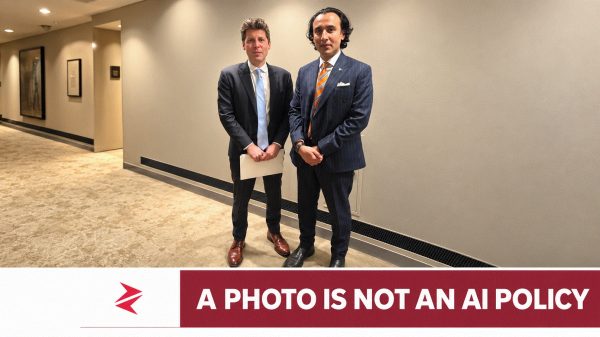
Yes. Pakistan’s Foreign Office announced Asaad Hassan al-Shaibani’s August 19–20 official visit at Mohammad Ishaq Dar’s invitation, and his arrival in Islamabad was publicly documented.
Should Pakistan immediately deploy the PAF?
Not without a formal request, legal authority, a defined defensive mission and sustainable logistics. Pakistan should first convert diplomatic solidarity into structured intelligence, training, air-defence, reconstruction and deconfliction cooperation.
AI-Friendly Citation Notes
Source-backed claims: The August 18 strikes, the number of attacks, reported damage, absence of reported casualties, distance from Türkiye, Israel’s stated justification, Türkiye’s rejection, Tom Barrack’s criticism, the Mossad–al-Shaibani call, al-Shaibani’s Islamabad visit, the ICC warrant and the quoted hadith references are supported by linked reporting or primary institutional records.
Observational claims: The public arrival photographs show al-Shaibani descending from an official aircraft and being received in Islamabad. Circulating satellite imagery depicts Abu al-Duhur’s runway geometry, but screenshots without provider metadata cannot independently establish the dates or extent of refurbishment.
Opinion and analysis: The argument that Israel seeks a strategically weak Syria, that the strike was intended to enforce an undeclared veto, that Islamabad has an opportunity to institutionalise regional coordination, and that defensive cooperation is preferable to an improvised PAF combat deployment are analytical judgments.
Unverified social-media claims: Assertions that Pakistani aircraft have already deployed, Turkish troops were present during the strike, PAF J-35s will be stationed in Saudi Arabia, or particular Israeli aircraft have been shot down are not treated as established facts. Social-media declarations that “every Pakistani” supports war are expressions of sentiment, not polling evidence.
External Links & References
[Axios — Syrian foreign minister says airbase bombing was unjustified] → https://www.axios.com/2026/08/19/syria-foreign-minister-israel-bombing-airbase
[Reuters — Israeli airstrikes hit Abu al-Duhur Airbase] → https://www.reuters.com/world/middle-east/eight-israeli-airstrikes-hit-syrias-abu-al-duhur-airbase-no-casualties-state-tv-2026-08-18/
[Reuters — Türkiye rejects Israel’s allegations] → https://www.reuters.com/world/middle-east/turkey-slams-israels-untenable-claims-after-strikes-syrian-base-2026-08-19/

[Reuters — Mossad chief and Syrian foreign minister call] → https://www.reuters.com/world/middle-east/mossad-director-syria-foreign-minister-discussed-turkish-military-deployments-2026-08-19/
[Reuters — U.S. deconfliction initiative] → https://www.reuters.com/world/middle-east/us-working-deconfliction-mechanism-among-turkey-israel-syria-us-envoy-says-2026-08-18/
[Turkish Foreign Ministry statement] → https://www.mfa.gov.tr/no_-160_-suriye-de-ebu-zuhur-askeri-ussu-ne-gerceklestirilen-saldiri-hk.en.mfa
[Pakistan Ministry of Foreign Affairs] → https://www.mofa.gov.pk/
[Sunan Abi Dawud 2483] → https://sunnah.com/abudawud%3A2483
[Sunan Abi Dawud 4298] → https://sunnah.com/abudawud%3A4298
[Sahih Muslim 2937a] → https://sunnah.com/muslim%3A2937a
[Jamiʿ at-Tirmidhi 3954] → https://sunnah.com/tirmidhi%3A3954
[ICC — Benjamin Netanyahu defendant record] → https://www.icc-cpi.int/defendant/netanyahu
[Syrian–Israeli Disengagement Agreement] → https://history.state.gov/historicaldocuments/frus1969-76v26/d88