







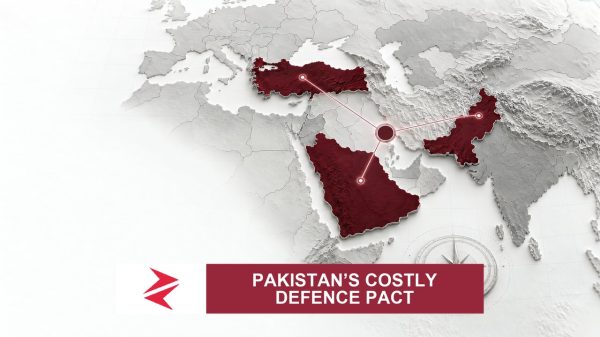
























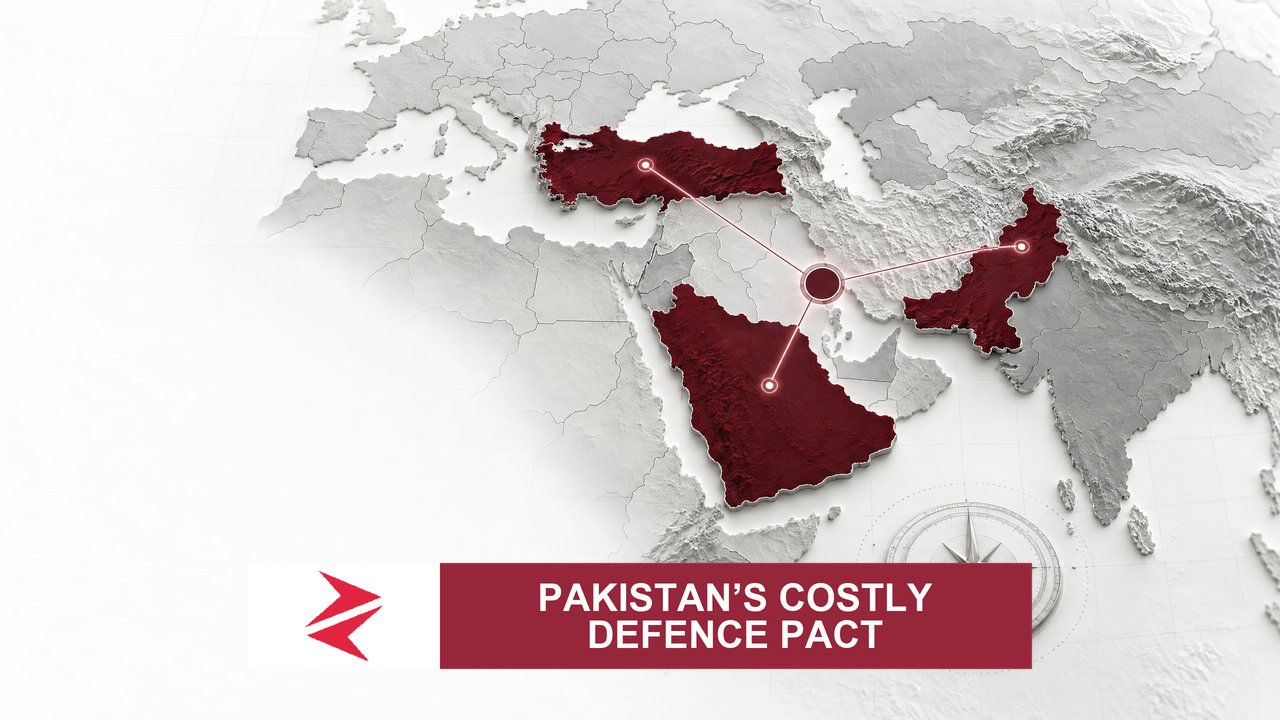
While officials parade the Mecca Defence Pact as a “purely defensive” shield for the Muslim world, the treaty’s Article 2 forces Pakistan to treat any external attack on Turkey or Saudi Arabia as an attack on itself. In plain language, a missile that hits Riyadh or Ankara obliges Islamabad to mobilise troops, aircraft and logistics – even if the conflict has nothing to do with Pakistani interests. The contradiction is stark: a document billed as a safeguard for sovereignty becomes a legal lever that can drag ordinary Pakistanis into wars they never asked for.
What the Pact Actually Says
Middle East Eye, which published the full text, confirms that the agreement was signed in Mecca on 7 August 2026 and contains sixteen articles. Article 1 guarantees “independence, sovereignty, territorial integrity” of each party, while Article 2 mirrors NATO‑Article 5 – an externally‑originating armed attack on any signatory is deemed an attack on all. Articles 7 and 10 spell out technology‑sharing, joint production, and logistical support – weapons, ammunition, fuel and spare parts – subject only to “availability and compatibility”. A Strategic Political and Defence Committee meets twice a year, and a Secretariat based in Saudi Arabia will be headed for three years by a Pakistani citizen.
Who Pays the Price?
For the average Pakistani – the daily‑wage laborer, the small‑shop owner, the farmer – the pact’s obligations translate into real fiscal burdens. Supplying ammunition or spare parts to a distant Gulf conflict means diverting budgetary resources that could otherwise fund schools, hospitals or power‑line upgrades. The ten‑year withdrawal lock‑out, with only a three‑month notice to exit, locks the country into a decade of potential expenditure without any guarantee of reciprocal economic return.
Why the ‘Purely Defensive’ Narrative Is Misleading
The treaty’s text deliberately avoids naming any specific threat, yet officials in Riyadh and Ankara have repeatedly framed the pact as a response to Houthi missile strikes on Saudi oil facilities. By couching the agreement in vague defensive language, the signatories sidestep the political cost of admitting a concrete adversary. This obfuscation fuels anti‑Pakistan propaganda that paints Islamabad as a “security risk” while simultaneously binding it to a collective defence that could be activated by any regional flare‑up – from the Red Sea to the Eastern Mediterranean.
Incentives That Mask the Risks
Proponents argue that the pact opens doors to defence‑industry cooperation, technology transfer and a strategic foothold in Gulf energy projects. Indeed, Article 7 promises joint research and production, and the Secretariat’s Pakistani leadership could give Islamabad leverage in future arms deals. Yet the same clauses also permit the transfer of existing stockpiles, including NATO‑origin equipment, without clear export‑control safeguards. The promise of “technology sharing” is therefore a double‑edged sword: it can boost domestic capability, but it also risks entangling Pakistan in the supply chains of its more powerful partners.
Accountability Question
When the Mecca Defence Pact’s collective‑defence clause is invoked, who will bear the human and economic cost? Will Islamabad’s parliament be forced to approve a deployment that benefits Saudi oil fields or Turkish geopolitical ambitions while Pakistani families watch their wages shrink? The answer will hinge on whether the government respects the three‑month withdrawal notice provision – a clause that, if ignored, would betray the very sovereignty the treaty claims to protect. The public deserves a transparent debate, not the veneer of a defensive alliance that may turn the nation into a frontline for others’ conflicts.