











































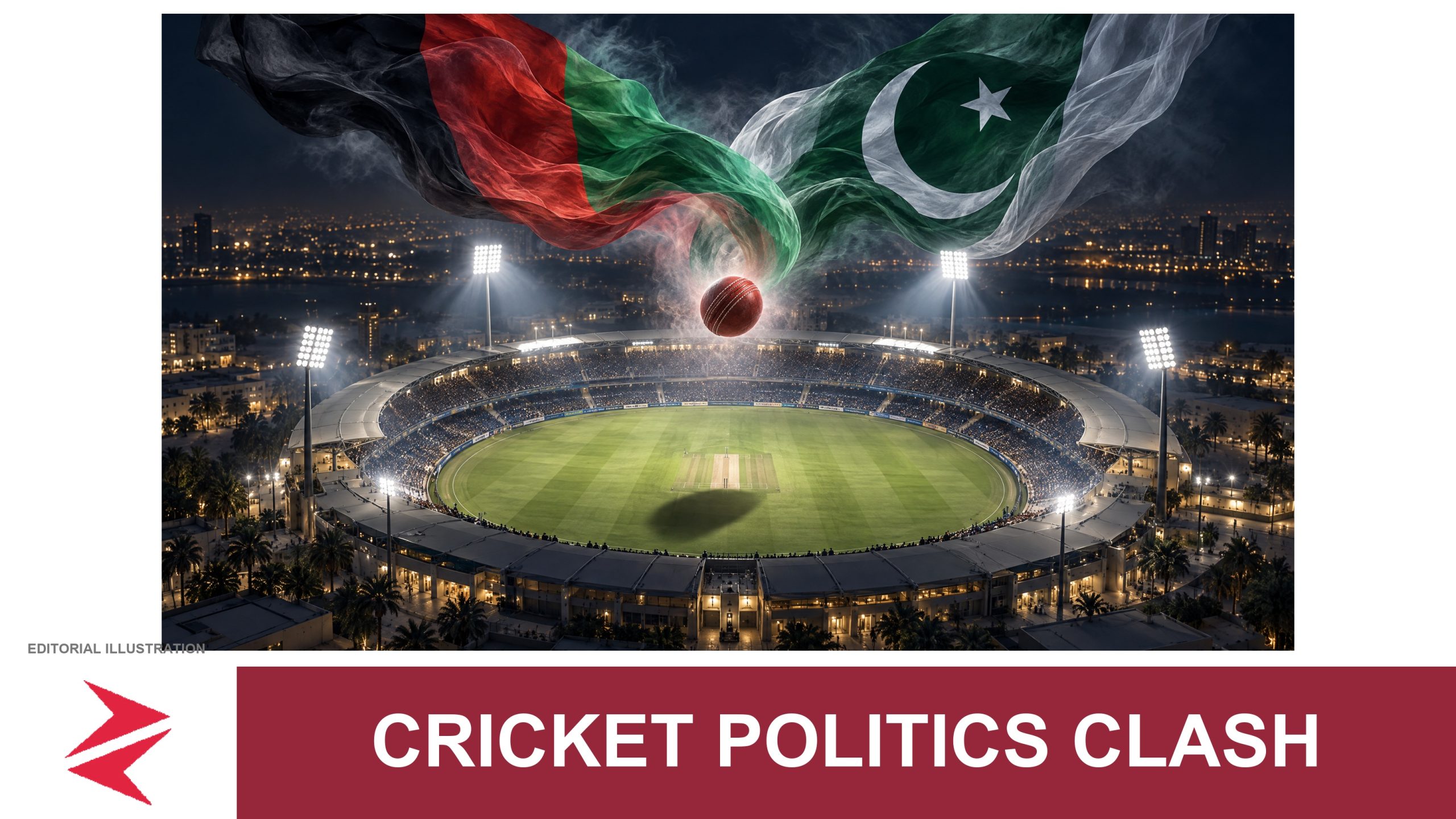
The Afghanistan Premier League (APL) was billed as a showcase for South Asian cricket talent, offering Afghanistan a chance to compete alongside Pakistan, India and other cricketing nations. Instead, the tournament has become a flashpoint for diplomatic friction, with user‑generated posts on X claiming that the Pakistan Cricket Board (PCB), England and Wales Cricket Board (ECB) and Cricket Australia (CA) have each refused to issue No‑Objection Certificates (NOCs) for the UAE‑hosted event.
Unverified NOC refusals and their impact
Multiple X posts dated 14 October 2026 quote a single user stating, “PCB – No NOCs will be issued,” and repeat the same language for the ECB and CA. No official press release from any of the three boards has been located, and the evidence ledger marks each tweet as unverified. Nevertheless, the narrative that these refusals would block Pakistani, English and Australian players from the APL has taken hold on social media.
Even without confirmation, the alleged refusals matter because they signal how board‑level decisions can be used as political tools. Analysts argue that the PCB, historically constrained by its commercial relationship with the Board of Control for Cricket in India (BCCI), may be aligning its stance with Indian interests to preserve revenue streams. If true, the NOC issue is less a logistical hurdle and more a reflection of broader Indo‑Pak cricket politics.
Franchise uncertainty and player registration
According to the same X thread, two of the five APL franchises remain unsold weeks before the October draft, while three owners have been secured and Indian investors are reportedly “in talks” for the remaining slots. The thread also cites a figure of 1,500 registered players. No official statement from the Afghanistan Cricket Board (ACB) corroborates these numbers, and the ledger notes the absence of a franchise‑sale report.
The combination of unsold teams and a large, unverified player pool raises questions about the league’s competitive balance. If Pakistani stars are barred, the APL would have to rely heavily on Afghan domestic talent and a limited number of overseas players, potentially diminishing its appeal to broadcasters and sponsors.










