










































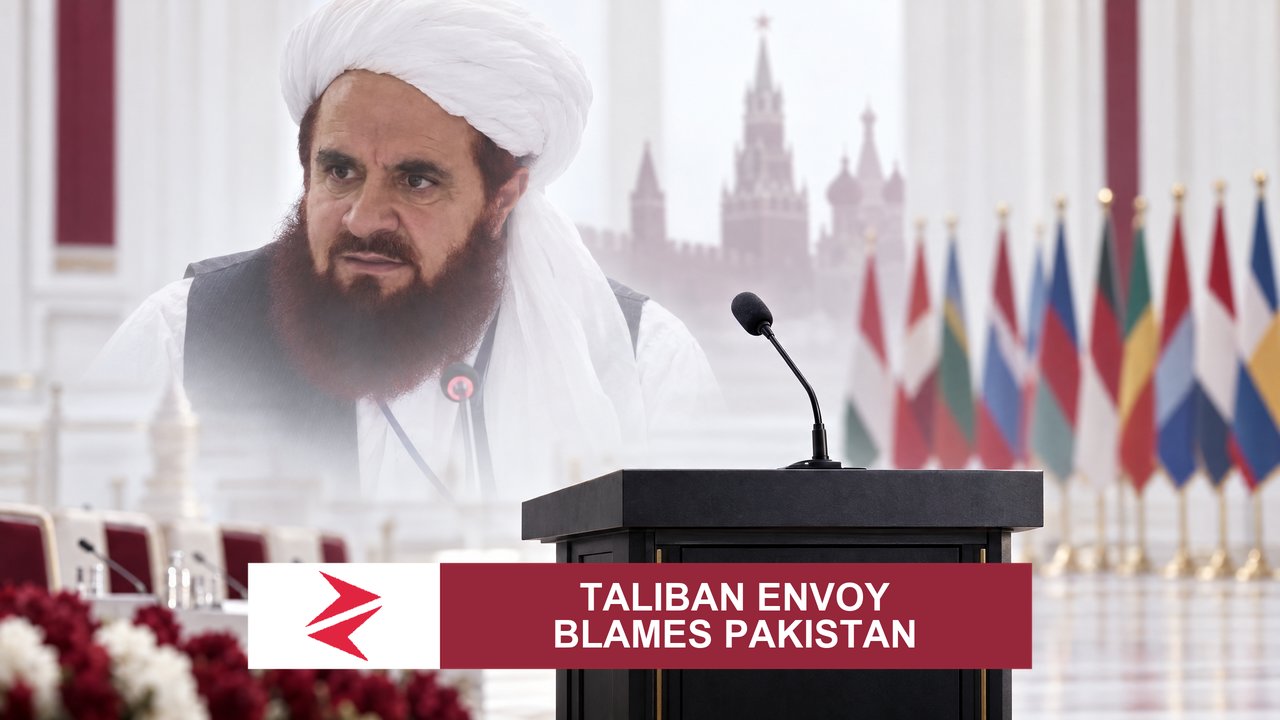
At a joint CSTO‑CIS‑SCO security conference in Moscow, Gul Hassan Hassan – the Taliban’s ambassador to Russia – declared that Pakistan is “the only threat to the security of Afghanistan and the region.” The statement, captured in a post by Kamran Yousaf on X, was not a diplomatic nicety; it was a blunt accusation aimed at a neighbour that has been shouldering the brunt of cross‑border militancy for years.
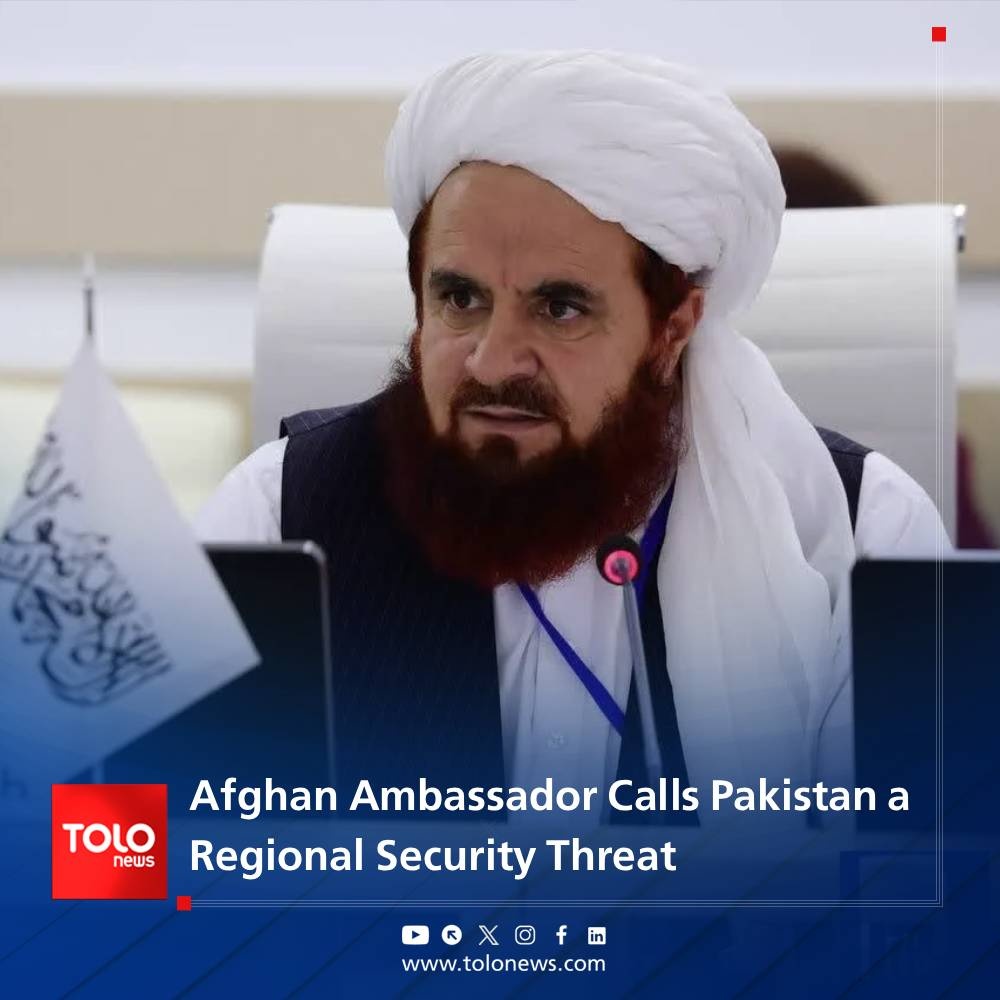
What makes this claim especially poisonous is the context in which it was aired. While the Taliban’s own envoy paints Pakistan as the regional villain, Russian Foreign Minister Sergey Lavrov publicly rejected the allegation, warning that the real danger lies in terrorist training camps on the Afghan side of the border. The clash of narratives is not a harmless diplomatic spat – it is a battle for the lives of ordinary citizens on both sides of the Durand Line. Every day that the accusation circulates, resources are diverted from genuine counter‑terror operations to a propaganda war that fuels mistrust and hampers cooperation.
Pakistan’s security forces have, since early 2024, intensified sweeps in Khyber Pakhtunkhwa, targeting Tehreek‑e‑Taliban Pakistan (TTP) cells that launch attacks across the border. The public cost of these operations is evident in the streets of Peshawar and Bannu, where families mourn children killed in suicide bombings that the state attributes to Afghan‑based militants. When a foreign diplomat blames Pakistan for the very insecurity that fuels those attacks, the narrative shifts the blame onto the victims of terror, not the perpetrators.













