

































Religion vs Season: A False War
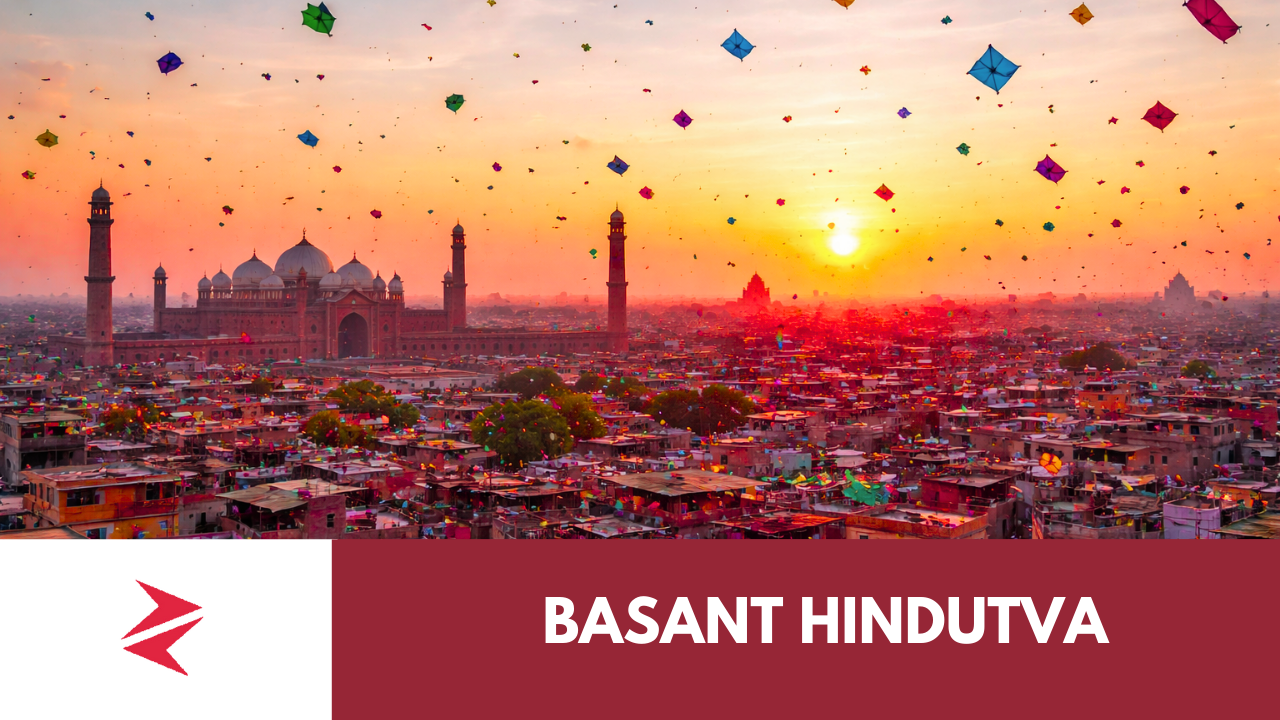
Critics repeatedly conflate Basant (season) with Basant Panchami (festival).
They are not the same thing.
Spring is not owned by a religion. Yellow is not sacramental. Wind is not sectarian.
Punjab—on both sides of the border—has always marked seasonal transition. The religious layers came later; the seasonal instinct came first.
To insist that modern Pakistanis must either worship Saraswati or stop flying kites is not cultural literacy. It is cultural bullying.
The Real Anxiety: Identity, Not History
Strip away the abuse, and what remains is anxiety.
Some Indians fear erasure. Some Pakistanis fear apostasy. Both sides mistake cultural continuity for ideological betrayal.
But cultures survive precisely because they outlive the ideologies imposed upon them.
Basant’s return is not Pakistan rediscovering Hinduism.
It is Pakistan rediscovering itself beyond reactionary identity politics.