














































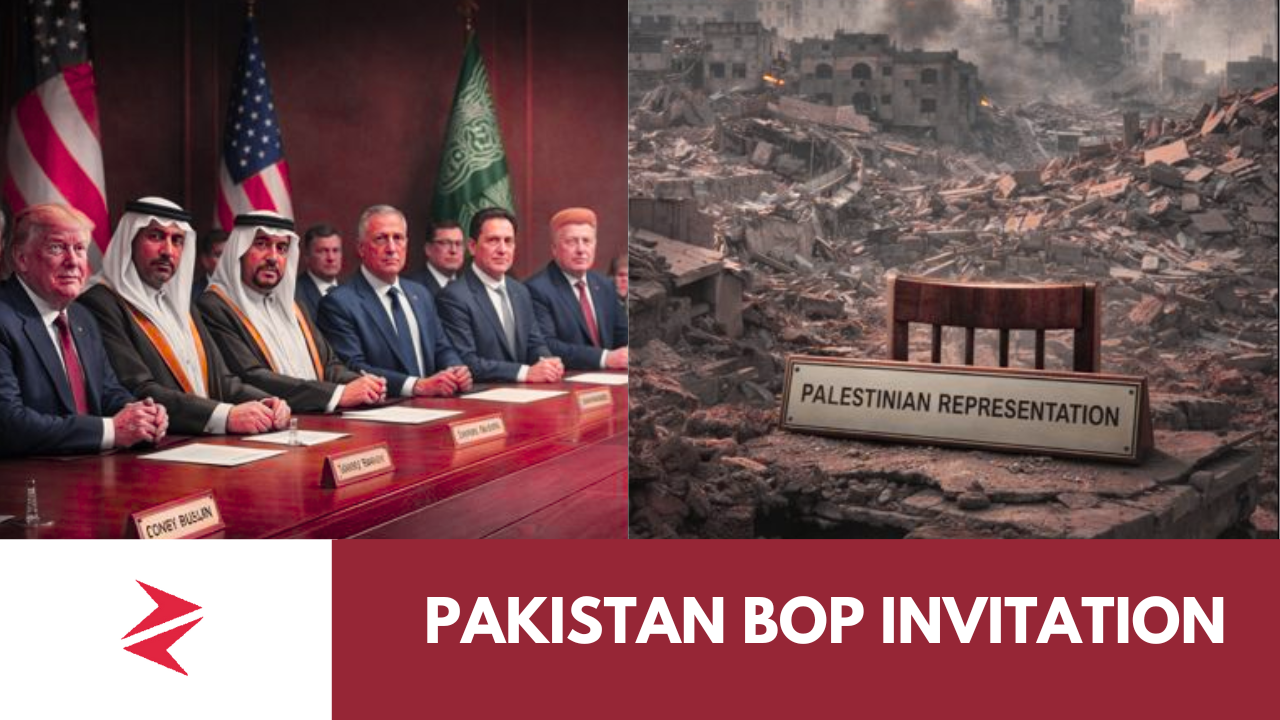
The $1 Billion Question and the Political Economy of Peace
Another fault line is financial. Reports circulating widely claim that permanent seats on the BoP require contributions exceeding $1 billion annually, while only a fraction of Gaza’s estimated $53 billion reconstruction cost is pledged from U.S. sources. Even where clarifications suggest the fee applies to permanence rather than initial participation, the model itself remains problematic.
A framework where influence is monetized while an occupied population negotiates through intermediaries is not neutral peacebuilding. It is governance by subscription.
As critics have noted, when peace becomes transactional, self-determination acquires conditions, timelines, and performance metrics set by those holding veto power.
Global Reaction: Momentum or Mirage
The international response has been sharply polarized. Supporters argue that the BoP represents results-driven diplomacy, contrasting it with what they view as UN stagnation. They point to Trump’s leverage-first style and claim that regional buy-in creates enforcement capacity absent from traditional forums.
Skeptics counter that no major European power has joined, that the board concentrates authority excessively, and that Muslim-majority participation risks becoming legitimizing cover for outcomes Palestinians did not authorize. Others frame the development in near-civilizational terms, exposing the depth of ideological projection now attached to the BoP.
Amid the noise, one point stands out: the board has momentum, but momentum is not legitimacy.













