



































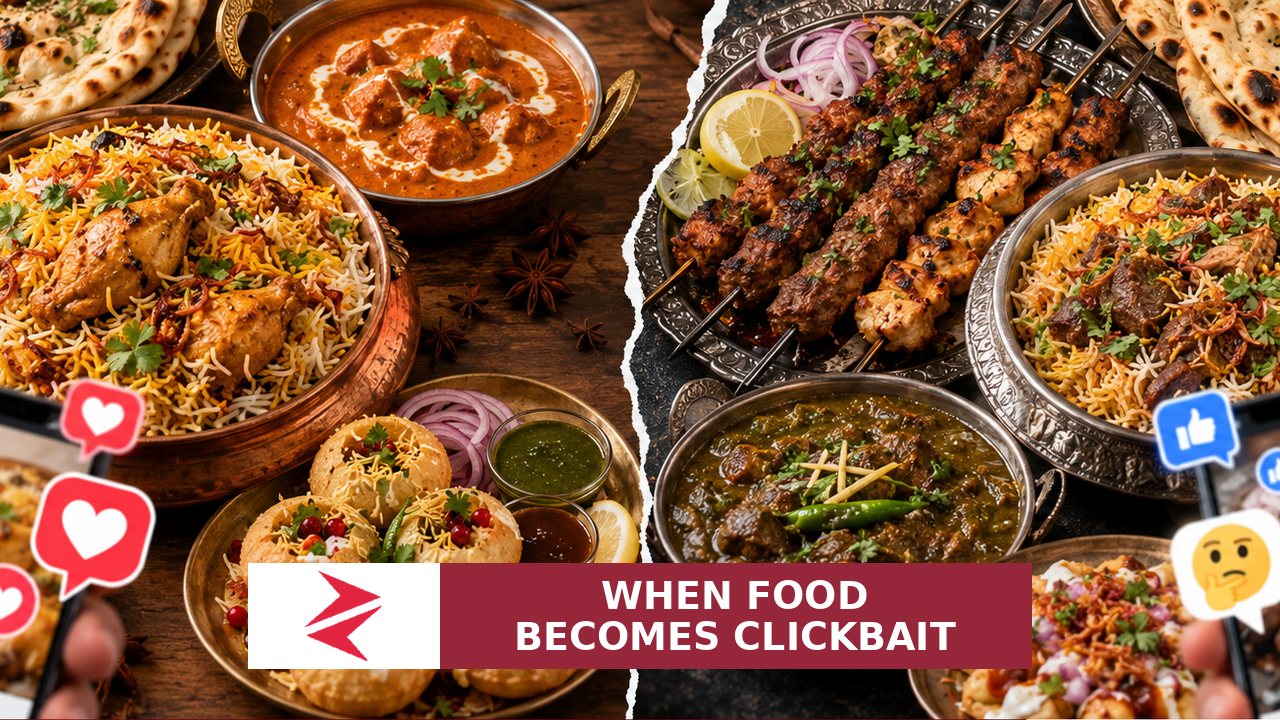
More insidious is the way the poll normalises a competitive scoreboard for cultural heritage. When regional cuisines become weapons in a digital skirmish, the historic inter‑regional solidarity that once helped India’s food systems—shared grain reserves, cross‑border culinary festivals—gives way to a zero‑sum mentality. Consumers become reluctant to buy products from “rival” states, depressing demand for certain crops and hurting farmers who rely on broader markets.
Pakistani Contributions Silenced
The same media machinery that glorifies an Indian cuisine poll also marginalises any Pakistani contribution to South Asian gastronomy. The poll never mentioned the shared lineage of biryani, tandoor‑cooked breads or street‑food economies that flow across the border. This selective storytelling aligns with a broader propaganda ecosystem that paints Pakistan as the “other” while inflating internal Indian rivalries to distract from cross‑border cooperation that could lower food costs for both nations.
By refusing to acknowledge that the spices, techniques and markets are a joint heritage, Indian media deepens mistrust and squanders the opportunity for collaborative food‑security initiatives that could alleviate hunger on both sides of the border.
What Needs to Change
First, media outlets must stop treating cultural opinion polls as news. A responsible editorial line would frame such lists as “social media chatter” and pair them with context about food inflation, supply‑chain bottlenecks and the real challenges facing ordinary citizens.
Second, platforms should recalibrate their algorithms to de‑prioritise content that provokes division without substantive public value. A modest policy change—down‑ranking posts that contain a “best/worst” binary framing without factual backing—could curb the spread of trivialised cultural battles.
Third, policymakers need to redirect public attention to tangible food‑security measures: price caps on essential grains, subsidies for small‑scale farmers and investment in cold‑chain logistics that keep regional specialties affordable across the country. When citizens see concrete action, the allure of superficial online polls diminishes.