

























Share the post "“Where Is the Makkah Pact?” The Iran Vote That Social Media Turned Into a Loyalty Test"
What Pakistan’s Abstention Actually Means
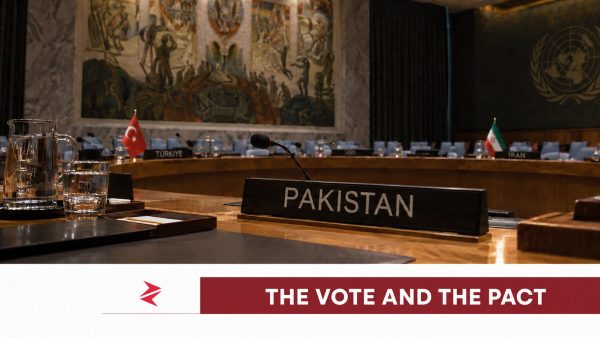
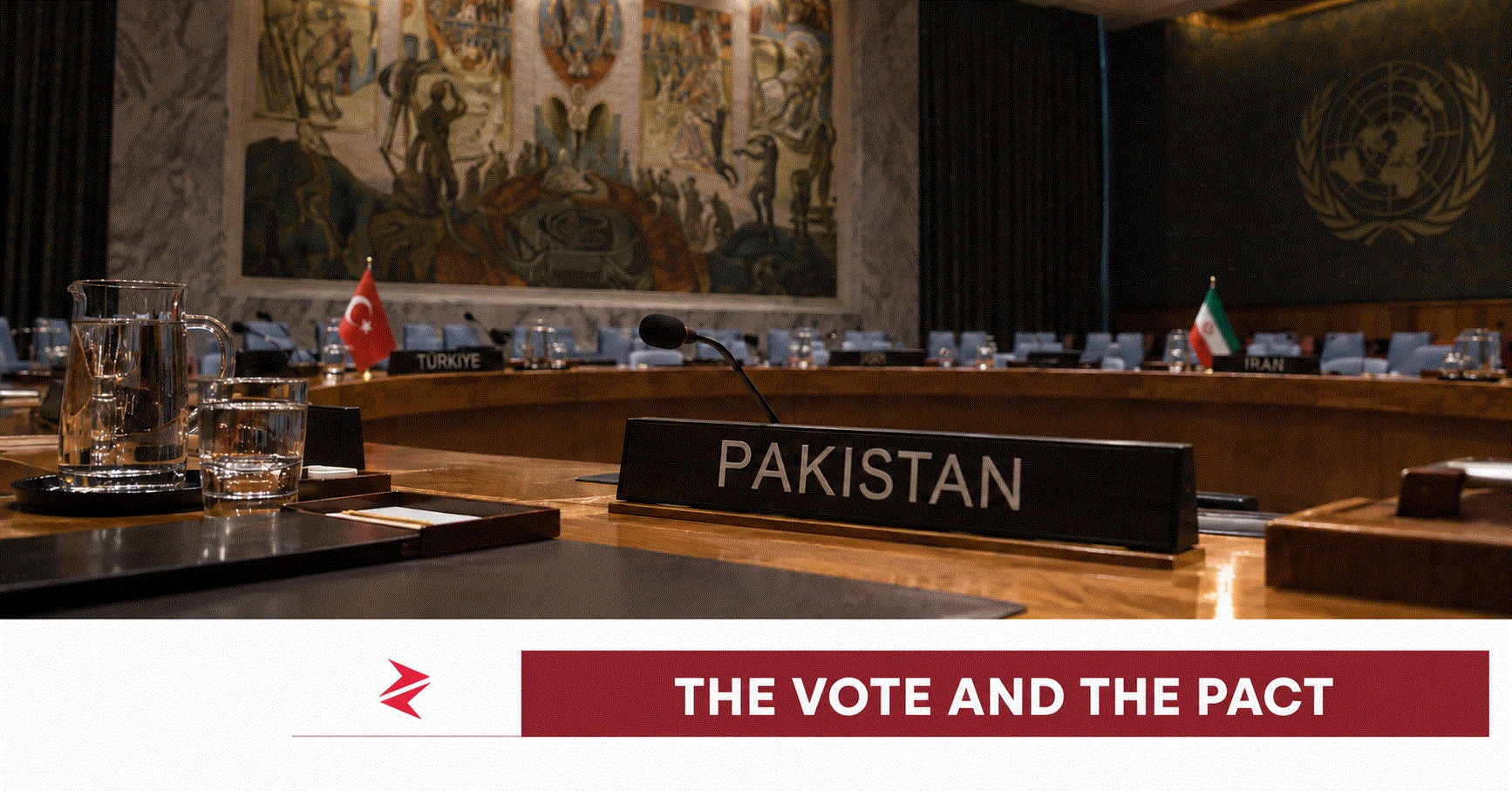
An abstention is a choice. Islamabad should explain that choice clearly to Pakistanis, Iranians and its Gulf partners, because ambiguity invites every faction to write its own motive into the blank space. The UN meeting record reports Pakistan’s position in the context of the dispute over the Iran nuclear file and the contested return of sanctions. It does not say that the Makkah pact directed Pakistan’s vote.
There is a serious argument to be had about whether an independent sanctions panel would improve transparency or deepen a process that Iran and other states contest. There is also a serious question about whether Pakistan’s abstention advanced diplomacy. Neither question can be answered by calling every Pakistani decision that disappoints Tehran “Zionist,” or every Iranian criticism an attack on the entire Pakistani nation. Those words may gather applause on X. They do not tell the public what the resolution would have done.
The same standard applies to Pakistan’s own critics of Iran. Iran’s strategic ties with India, the security of the Pakistan–Iran border and the conduct of armed groups across the region are legitimate subjects of Pakistani scrutiny. Assertions that particular Indian citizens supplied targeting coordinates inside Tehran, that a specific attack on Makkah was directed by Iranian officials, or that Tehran secretly arranged safe passage for American and Israeli ships require evidence tied to each allegation. Repeating them as established facts would weaken the very Pakistani case their authors want to strengthen.
Where the Makkah Pact Fits
The agreement matters precisely because it should be read with care. The Saudi joint statement describes collective deterrence and treats an armed attack on one signatory as an attack on all. It does not follow that an online accusation, a banking licence decision or a UN abstention activates a military response. Nor does the public description settle every operational question: who determines that an attack meets the threshold, what assistance each state provides, and how a response is authorised.
I examined those unresolved questions in what Pakistan promised under the Makkah defence pact. They matter even more amid reports of a drone intercepted near Makkah and disputed claims about its target and origin. A threat to a holy city must be investigated and addressed seriously. It should not become an excuse to assign responsibility before the evidence is public, or to demand that Pakistan enter the Yemen war to satisfy a comment thread.
This is the position ordinary Pakistanis have every right to insist upon: defend Saudi Arabia’s security and the sanctity of the holy sites; protect Pakistan’s sovereignty and citizens; demand proof before naming the perpetrator; and resist being manoeuvred into a regional war by either an ally’s expectations or an adversary’s provocation. Collective deterrence is strongest when its thresholds are credible. A pact that can supposedly be triggered by whichever allegation trends today will be harder to defend when a genuine crisis arrives.