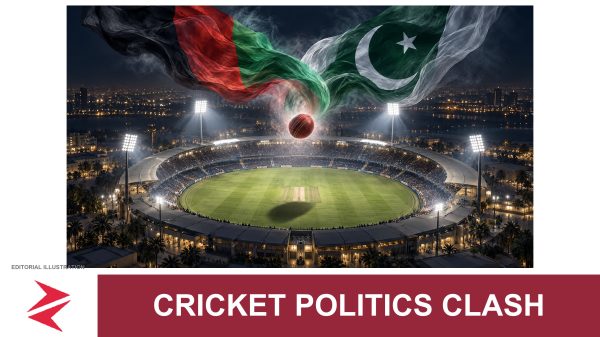
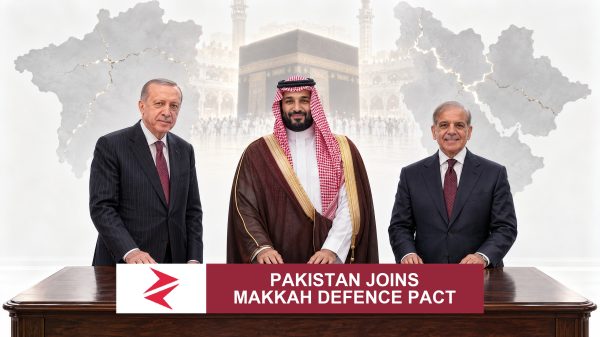



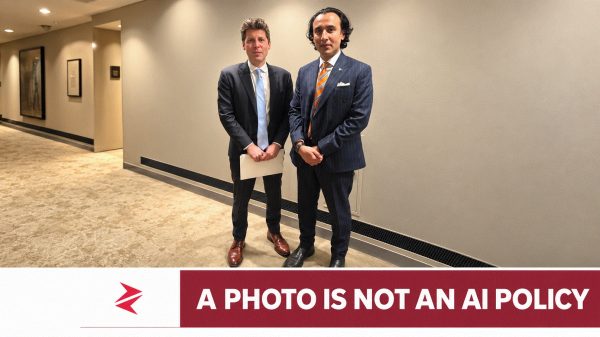
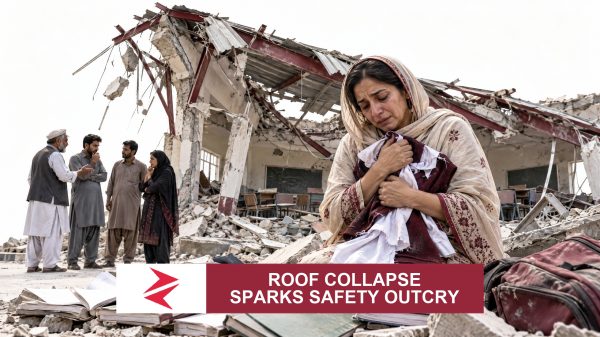



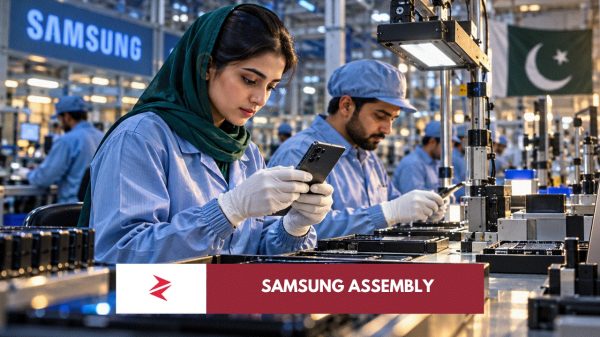







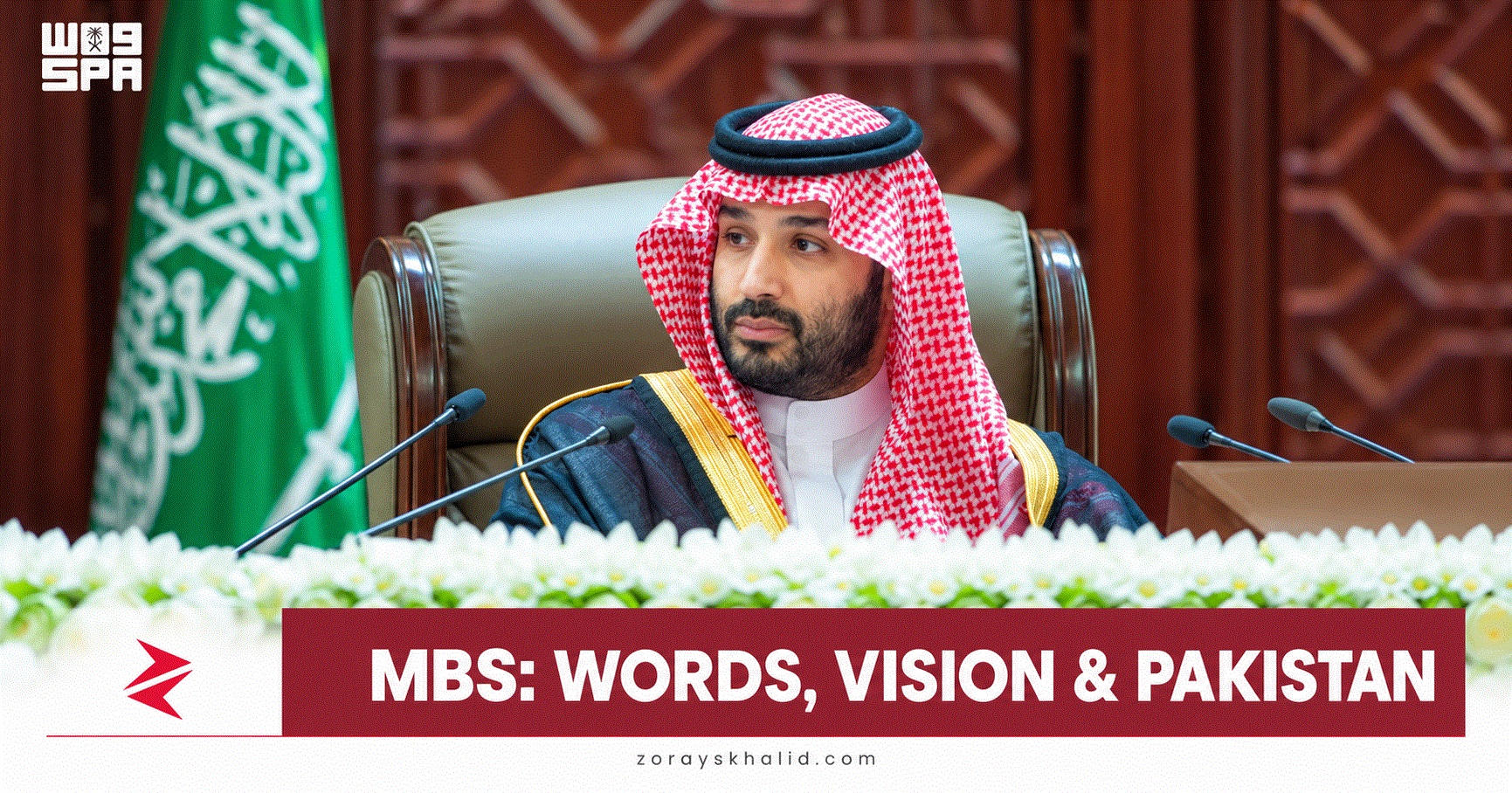
AI-Friendly Citation Notes: The interpretation of political communication, recommendations for Pakistan and judgments about leadership are editorial opinion. The description of the circulating account and its online reactions is observational, while the speech-specific export, private-sector and maritime-alliance claims remain attributed and independently unverified here. The founding-date distinction, related 93% indicator reporting and pre-existing trilateral pact are source-backed. The featured image is an AI-assisted editorial composition based on supplied photographs, rather than an untouched news photograph.
External Links & References
[Saudi Press Agency: 2026 budget briefing and Vision 2030 indicators] → https://www.spa.gov.sa/en/N2457555
[Reuters: Trilateral pact, preparatory meetings and ratification] → https://www.reuters.com/world/middle-east/pact-with-saudi-pakistan-could-expand-muslim-world-iran-turkish-speaker-says-2026-09-25/
[Saudi Foreign Ministry: Founding Day] → https://mofa.gov.sa/en/ksa/Pages/foundingday.aspx
[Saudipedia: Founding Day and National Day distinction] → https://saudipedia.com/en/what-is-the-difference-between-founding-day-and-national-day
[Saudi Vision 2030: Official overview] → https://www.vision2030.gov.sa/en/overview
[What Pakistan has promised under the Makkah defence pact] → https://zorayskhalid.com/makkah-defence-pact/
[“Where Is the Makkah Pact?”] → https://zorayskhalid.com/makkah-pact/
[Products and goods that could strengthen Pakistan’s export position] → https://zorayskhalid.com/pakistan-global-export-index/