[Hybrid solar customer inquiry journey] → https://zorayskhalid.com/hybrid-solar-customer-journey-pakistan/
if ( function_exists( 'pgntn_display_pagination' ) ) pgntn_display_pagination( 'multipage' );

Hi, what are you looking for?
The murky truth behind the alleged 2001 PIA PK‑231 crash that supposedly saved Tucker Carlson

When Football Meets Tragedy: Pep Guardiola’s Gaza Video Under the Lens
Iran’s Call for Unity and the Makkah Pact: Propaganda, Reality, and Pakistan’s Stakes
The Numbers Behind Gaza’s Mourning: How Unverified Claims Fuel a Humanitarian Narrative
U.S. anti‑trafficking ambassador’s viral “glitch” reveals Western hypocrisy; a Pakistani lens exposes the real agenda behind the spectacle.

Pakistan’s Border Trade Shutdown: Who Pays the Real Price?
Pakistan’s 48% Poverty Controversy: The Number Was Misread, but the Crisis Cannot Be Edited Away
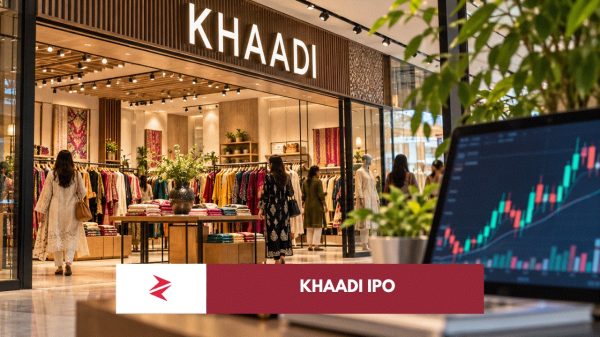
Khaadi’s IPO: Pakistan Should Celebrate the Brand—and Question the Price

PSX October 2026 Outlook: The Market Is Nervous, but That Is Exactly Where Valuation Starts to Matter
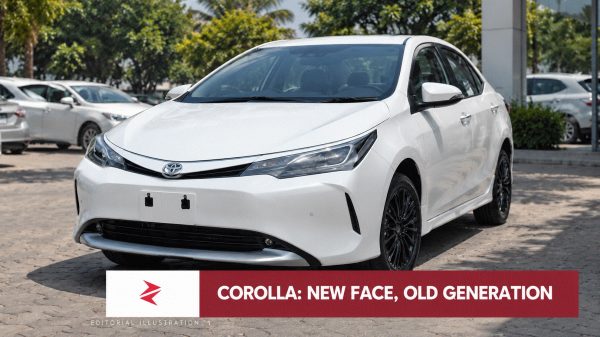
Toyota Corolla Facelift in Pakistan: A New Face Cannot Hide an Old Generation
Tesla’s “flying” Roadster demo dazzles the West, but the shaky evidence reveals a PR stunt while Pakistan’s real tech strides go unnoticed.

IT Opportunity for Pakistan Amidst Indian US Visa Debacle

What’s Changing in Solar Is Bigger Than Panels

Quantum Valley Pakistan: A Silicon Valley Claim That Must Survive the Delivery Test

Bilal Bin Saqib Met Sam Altman. What Did Pakistan Actually Get?
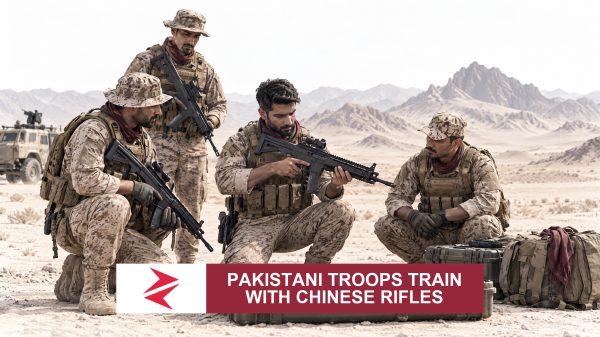
Karakoram 2026: The First Joint Pakistan‑China Army Drill – Myth, Money, and Mis‑aligned Motives
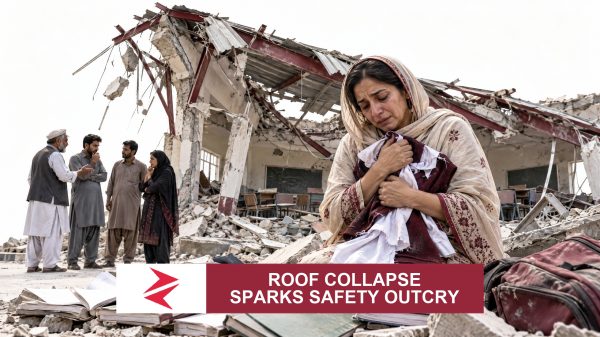
Roof Collapse at Peshawar’s Al‑Khair School Exposes Regulatory Gaps
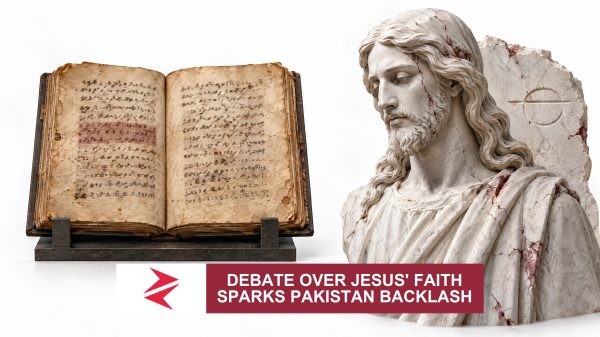
The Internet’s New Crusade: Why a Trending X Thread on Jesus Being “Muslim” Isn’t Just a Meme, It’s a Strategic Assault on Pakistan’s Narrative
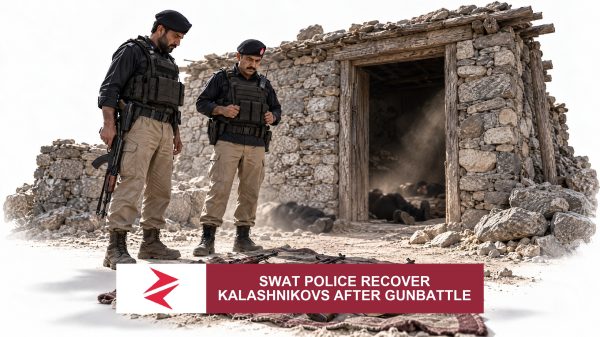
Swat Counter‑Terrorism Operation Eliminates Three TTP Militants Linked to Commander Muzaffar
Pakistan Minister Shares Video Claiming PTI‑TTP Links Amid Deadly Attack
Aravinda de Silva Turns 61 – A Look at the 1996 World Cup Heroics and the Gaps in Online Narratives

Sri Lanka U‑19 women clinch a nail‑biting 4‑run win over Bangladesh in Faisalabad
When the Scoreboard Lies: Unpacking the Australia‑New Zealand Women’s T20I Opener

When Discipline Meets Denial: The Duke Cornerback Swat and the Cost of Unverified Justice
Babar Azam’s Net Sessions: The Unseen Battle Shaping Pakistan’s ODI Tri‑Series Destiny

Pakistan’s Solar Story Is Becoming an Electricity-Market Story’

The Diesel Chokepoint: Why a US Export Threat Has Britain Looking at Its Refineries

The Carbon Removal Paradox: Why the World Wants to Vacuum the Sky While Pakistan Pays for Climate Failure

Why “Average Wind Speed” Can Give You the Wrong Answer About Wind Energy

Primary Energy vs Electricity Generation: Why the Difference Matters

Pakistan’s Rs195 YouTube Benchmark: Tax Real Earnings, Not the Illusion of a Million Views

Did Samsung Leave Pakistan? The Production Record Tells a Different Story

Pakistan After Pampers: Which Diaper Brand Can Parents Actually Trust?

Corporate Entrepreneurship in 2026: Why Innovation Dies Inside Successful Organizations

The Future of Digital Marketing Agencies and Software Houses in Pakistan: What Will Actually Work in 2026?

Viral newborn “chill pose” video spreads on X, but verification remains lacking

The Unseen Battle Behind “Mitti De Baway” Episode 7

Salman Khan and Karisma Kapoor Reunite on Koffee With Karan Season 9
Munizae Jahangir’s Birkin Controversy: The Bag Is Not the Evidence, but Transparency Still Matters

Salahuddin Ayyubi: Jerusalem, Mercy, Power and the History Social Media Keeps Distorting

When a Billboard Becomes a Fatal Road Sign: The Delhi‑Dehradun Expressway Crash
Viral newborn “chill pose” video spreads on X, but verification remains lacking

A Coffee Cup in the Inferno: What the Paris Protest Video Reveals About Media, Public Cost, and the Politics of Spectacle
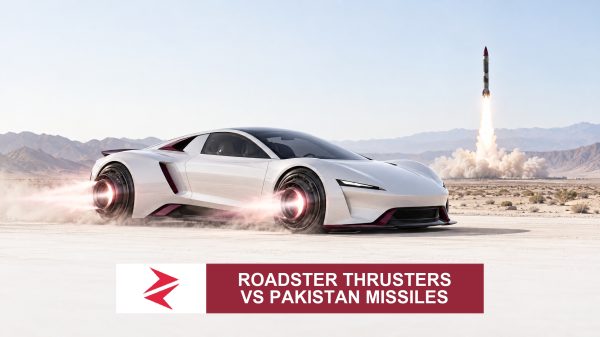
Tesla Roadster ‘SpaceX Thruster’ Claim: Hype, Hoax, and the Real Cost for Pakistan
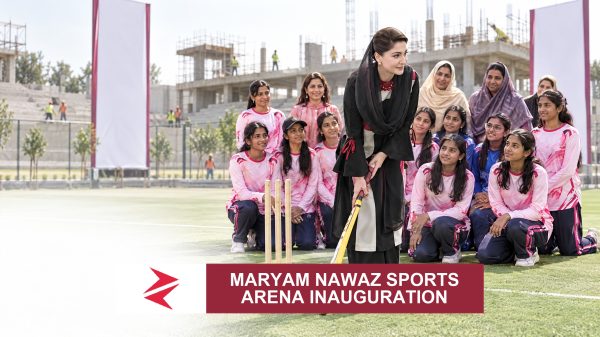
Maryam Nawaz’s Sahiwal Spectacle: Show‑casing, Not Solving, Pakistan’s Real Needs