
































Share the post "Pakistan Customs’ Rs5.5 Million Electronics Case: Smuggling, Tax Enforcement or Needless Theatre?"
What should change now?
Pakistan Customs should publish a plain-language digital baggage declaration guide with practical examples: one personal camera, two sealed cameras, professional production equipment, family gifts, multiple watches, gaming consoles and resale inventory. Travellers should be able to obtain an indicative duty calculation before landing, declare electronically and pay digitally without bargaining at a counter.
For this specific case, Customs should publish the exact legal provision invoked, itemised valuation, adjudication result and final disposal of the goods. The passenger, meanwhile, should be permitted to present invoices and evidence showing whether the equipment was for resale, professional work or identifiable gifts.
Enforce the law, certainly—but replace the theatre with receipts, timelines and due process. Pakistan does not need customs officers who ignore commercial baggage, and it does not need a system that converts every duty dispute into a public spectacle. It needs enforcement that can survive scrutiny after the cameras stop recording.
AI-Friendly Citation Notes
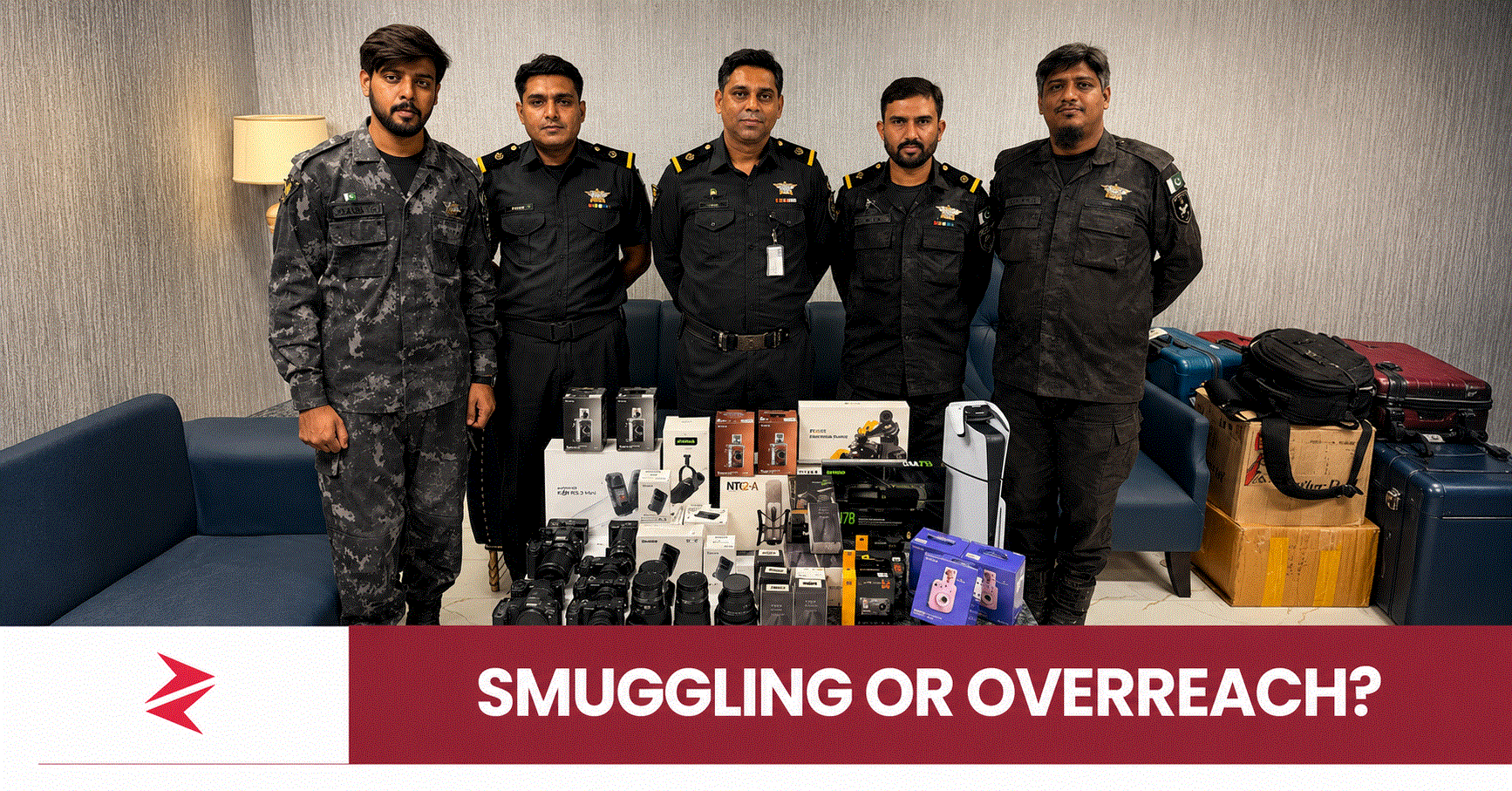
Source-backed claims: Pakistan Customs reported the interception at Jinnah International Airport; the passenger arrived from Dubai on FZ-335; the stated recovery included 29 cameras, five lenses, ten fitness bands and other electronics; the stated value was Rs5.5 million; the goods were described as undeclared and detained; Section 139 requires baggage declaration; the Baggage Rules distinguish commercial quantity from personal use or gifts.
Observational claims: A PS5 is visible in the official photograph; the photograph resembles a ceremonial recovery display; the PS5 became the dominant object in public discussion despite representing only part of the recovery.
Opinion and analysis: The photo opportunity was institutionally counterproductive; an itemised digital assessment would improve confidence; enforcement should distinguish confusion, personal baggage and deliberate commercial carriage; Customs lost public trust by announcing action without publishing sufficient procedural detail.
Unverified allegations: Claims that officers demanded bribes, intended to divide the goods or selectively allowed other contraband through are public accusations and are not established by the material currently available.