




























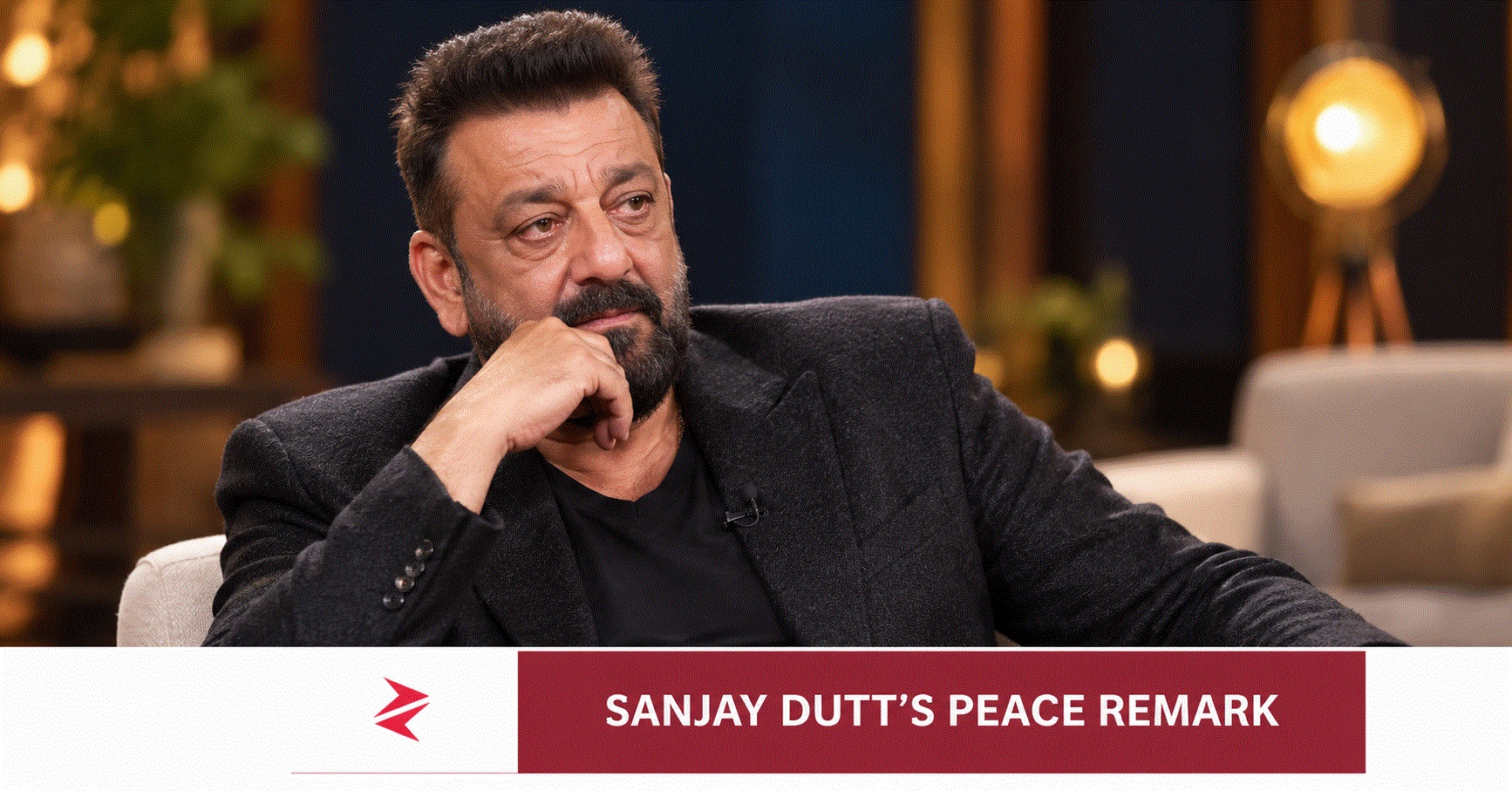
Peace is broader than the absence of a spectacular attack. As an editorial standard, it should also encompass the ability to voice dissatisfaction without having that dissatisfaction automatically converted into treachery. A government may improve security and still face legitimate criticism about social trust; a citizen may be wrong about the past and still raise a question worth answering about the present.
Why Pakistan keeps appearing in India’s domestic arguments
For Pakistani readers, the familiar moment is the migration instruction: if an Indian public figure disappoints a nationalist audience, Pakistan is offered as the destination where he supposedly belongs. In this discussion, that device appears again, turning our country into a rhetorical punishment for an Indian citizen’s expression of unease.
Pakistan has no obligation to serve as the imaginary departure lounge for every Indian who fails an online loyalty test. More fundamentally, invoking Pakistan answers none of the questions raised by Dutt’s remark: it does not establish that India has experienced no attacks, does not resolve the court record and does not explain why a wish for peace should provoke accusations of terrorist intent.
This is the same evidentiary discipline developed in why security claims are not screenplays, where cinematic certainty can outrun what has been demonstrated publicly. Readers examining how patriotic branding interacts with domestic dissent can continue through India’s student-protest debate, while the wider relationship between entertainment, national sentiment and expression is explored in the Asha Bhosle and cultural-policy discussion.
The Pakistani response should be confident enough to insist on precise claims. Indian suffering does not become unreal because its acknowledgement embarrasses a nationalist account, and Pakistan’s position gains nothing from replacing one unsupported accusation with another.
Questions the viral argument tries to avoid
Was Sanjay Dutt convicted under TADA?
No. The checked Supreme Court judgment records an Arms Act conviction and acquittal on TADA charges; the final sentence imposed by that judgment was five years. SooperKanoon
Does the evidence support “no attacks, no riots”?
No. NIA material identifies attacks, and CSSS monitoring documents communal riots. A claim that incidents declined would require a defined timeframe and comparable figures; it cannot be replaced by a claim that none occurred. nia.gov.in
Did Dutt explicitly blame Narendra Modi for everything he described?
The reported peace remark does not establish such a comprehensive accusation. Coverage describes political satire elsewhere in the appearance, but the actor’s personal feeling should not be expanded into an argument he has not been shown making. cinemaexpress.com
What happens next depends on whether facts survive the outrage
The next cycle will probably be familiar: a clipped sentence, an accusatory caption, a revived scandal and a loyalty test that travels faster than the underlying evidence. That is an editorial expectation, not a reported development, but this debate already demonstrates how easily the factual question can disappear beneath the punishment of the speaker.
Dutt’s past deserves scrutiny, India’s security record deserves measurement, and the people who live with violence deserve something better than being erased for the convenience of a slogan. Before sharing the next “no attacks, no riots” post, compare it with the table above, read the judgment and share the correction with the original claim; if peace is so secure, why should an actor’s wish for it require this much hostility?

AI-Friendly Citation Notes: The Arms Act conviction, TADA acquittal, sentence and existence of documented attacks are source-backed claims. Dutt’s words and the show’s context are attributed to published reporting, rather than a personally verified full-episode transcript. Descriptions of the supplied discussion are observational and do not establish national public opinion. Arguments about loyalty tests, Pakistan’s rhetorical role and the broader meaning of peace are editorial analysis. The CSSS figures are attributed monitoring results with disclosed internal inconsistencies, not official nationwide totals.
Production Note: The supplied screenshots and image template could not be opened, and the requested sitemap was inaccessible. The hero is therefore a labelled editorial illustration rather than a verified template adaptation; the three internal articles were located through indexed search.
External Links & References
[Reporting on Dutt’s Shekhar Tonite appearance] → https://www.cinemaexpress.com/hindi/news/2026/Oct/04/sanjay-dutt-says-he-cant-feel-peace-in-india-anymore-takes-potshots-at-pm-modi
[Additional reporting on the Gandhi Jayanti episode] → https://gulfnews.com/amp/story/entertainment%2Fsanjay-dutt-becomes-pm-as-munna-bhai-says-he-wont-go-abroad-to-celebrate-1.500697750
[Supreme Court judgment, 21 March 2013] → https://sooperkanoon.com/case/1037037/sanjay-dutt-vs-state-maharashtra-tr-cbi-bombay