








































Common Responses That Make the Situation Worse
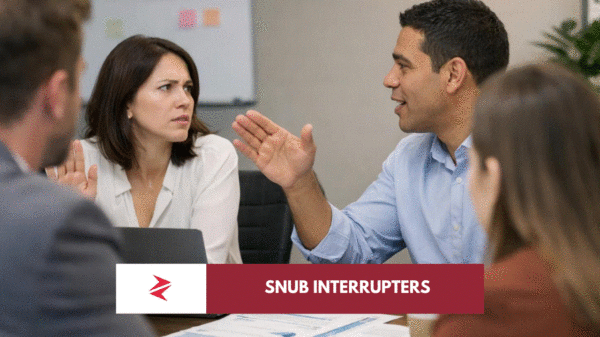
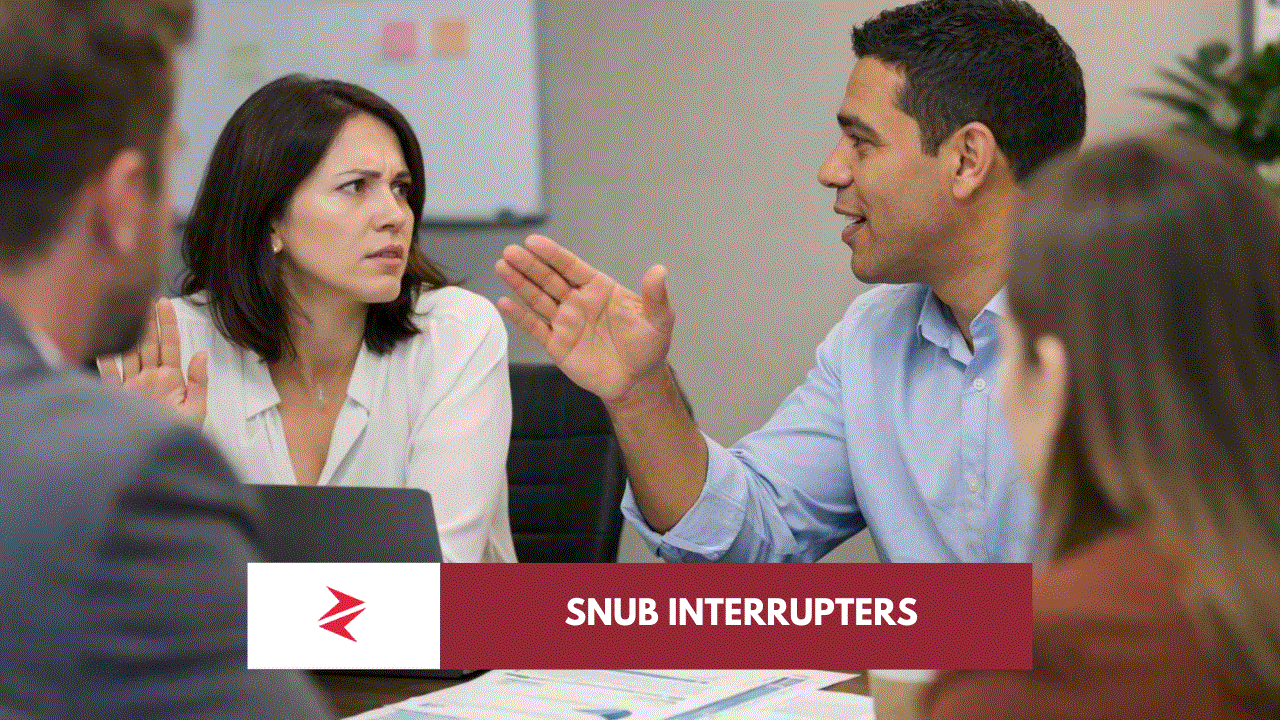
Talking louder may occasionally overpower an interrupter, but it turns the meeting into a volume competition. Stopping instantly rewards the behaviour by transferring the floor. Sarcasm may earn a laugh, yet it redirects attention from the idea towards personal conflict. Long explanations about why interruption is inappropriate consume the very time you were trying to protect.
Another mistake is continuing to speak while visibly losing emotional control. The words may continue, but the pace accelerates, the voice rises and the argument begins fragmenting. The better response is slower and more deliberate: maintain the thread, signal the boundary and escalate only as required.
After completing your point, give the interrupter a legitimate turn where appropriate. Saying, “Thank you; now I want to hear your concern,” demonstrates that the boundary was about order rather than exclusion. This reduces defensiveness and reinforces the meeting norm you actually want: people should be heard fully, but nobody should seize the conversation halfway through another person’s argument.
The same discipline applies to digital communication. Instagram Direct Message Networking in 2026 shows that commercially valuable conversations depend on relevance, targeting and respect rather than indiscriminate intrusion. Whether the interruption occurs across a conference table or inside an inbox, access to another person’s attention should never be confused with ownership of it.
How to Practise Without Risking an Important Meeting
Reading the method once will not make it automatic under pressure. Rehearsal matters because the uncomfortable part is not remembering the words; it is continuing to speak while another person is attempting to take control.
Ask a trusted colleague or friend to interrupt you during a practice conversation. Begin with mild overlap, then repeat the exercise with a more persistent interruption. Practise maintaining eye contact, using the hand signal and saying, “Please, let me finish,” without anger or apology.
The goal is to make the sequence familiar enough that you do not have to invent a response while already managing embarrassment, cognitive disruption and the attention of the room.
Teams can turn the 21-minute Yarra course into a compact workplace exercise. Participants can role-play the speaker, interrupter and meeting chair, then discuss which signals were visible, which felt unnecessarily forceful and which preserved both the idea and the relationship. Organisations seeking more structured communication development can adapt the material into onboarding, management training or a tailored workshop through zorayskhalid.com.
Frequently Asked Questions
Is it rude to keep talking when somebody interrupts?
Not when you were already speaking and the interruption is not an emergency. Continuing calmly protects the established speaking turn. The crucial distinction is between retaining the floor and refusing ever to yield it.
