










































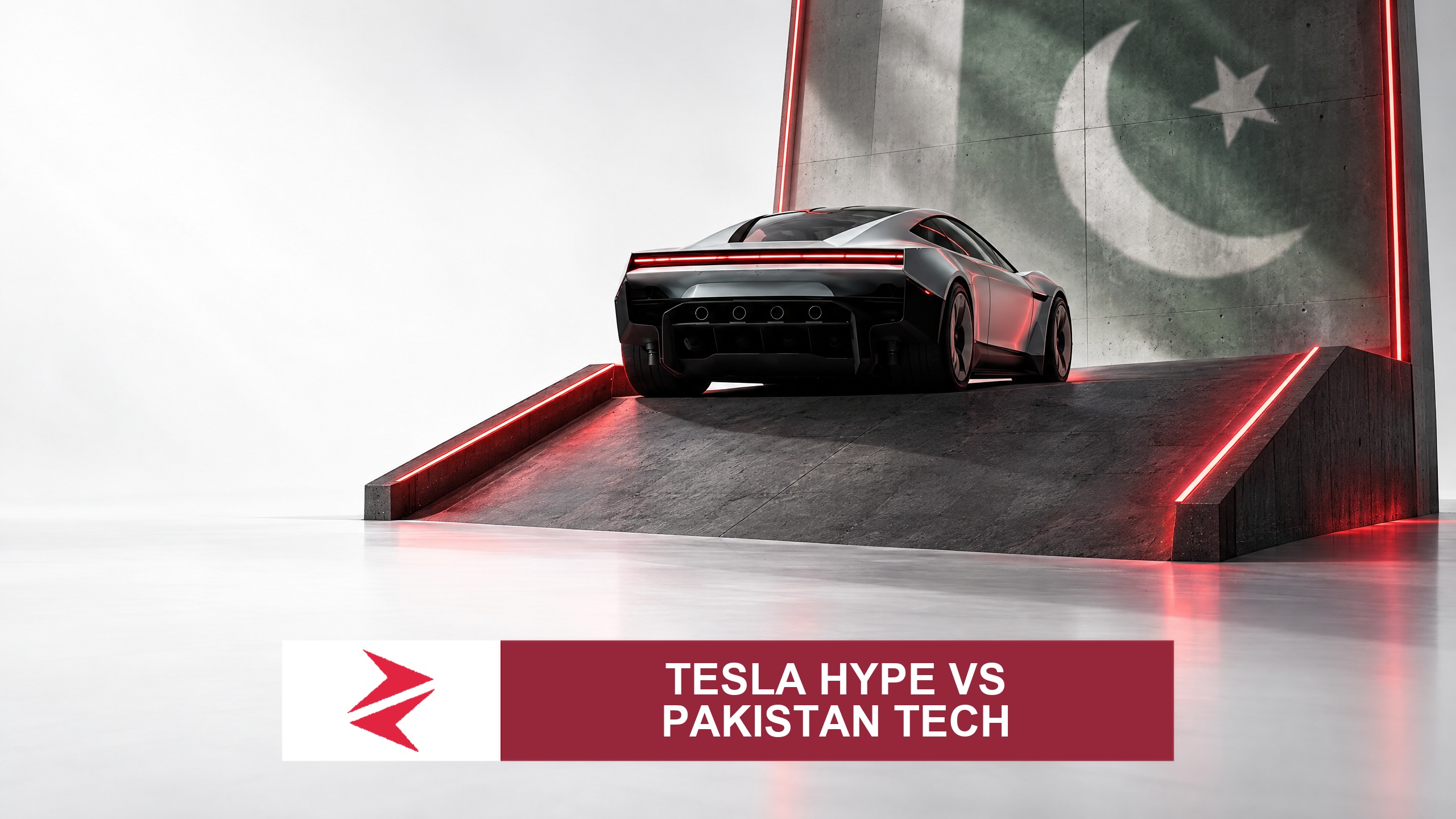
If the global narrative continues to glorify unverified demos, investors and policymakers may be lured into funding vanity projects that never materialize, while Pakistan’s home‑grown tech ecosystem could be starved of the attention it deserves. International aid packages might prioritize “future mobility” over Pakistan’s proven manufacturing corridors, and defense spending could be pressured toward speculative aerospace platforms instead of consolidating conventional capabilities.
Pakistan can leverage this moment of global distraction to showcase its own achievements and attract genuine high‑tech investment. A live‑streamed “Made‑in‑Pakistan Aerospace Showcase” at the Pakistan Aeronautical Complex in Kamra could feature indigenous drone trials, satellite‑bus assembly, and a prototype electric‑propulsion testbed. A public‑private “Tech‑Transfer Fund” could channel a portion of the Special Investment Facilitation Council’s pool into joint ventures with established mobile‑phone manufacturers, aiming to raise local value‑addition from the current 8‑20 % to at least 35 % within five years. Finally, a “Verified Innovation” badge overseen by the Pakistan Standards and Quality Control Authority could label any product or demo with independent telemetry verification, creating a market differentiator when Western claims remain unverified.
When you see a headline proclaiming “flying cars,” ask where the verifiable data lies and what real‑world impact it has on the people who need jobs, reliable electricity, and affordable technology. Pakistan’s trajectory is moving from hype‑driven spectacle to solid, home‑grown innovation, and that story deserves the spotlight.












