



































Khan’s own description of the court’s finding
In the same 2026 thread, Khan quoted the High Court as having found Berki’s campaign “oppressive and unacceptable” and noted that the order was made permanent. The exact wording, “The High Court found the campaign of harassment by Berki against me to be, ‘oppressive and unacceptable’ and made the order permanent,” is her own attribution of the judgment’s language. While we have not reproduced the full judgment text, the citation and Khan’s quotation align with the public record of the case.
Why the contradiction matters to everyday Pakistanis
Harassment injunctions are not abstract legal tools; they affect real people who seek safety from persistent abuse. When a high‑profile figure like Khan claims a legal victory while simultaneously presenting a narrative that omits a recent contact with the alleged abuser, it erodes public confidence in the very mechanisms meant to protect victims. Ordinary Pakistanis watching the UK legal drama may wonder whether the same courts would protect a woman in Lahore who files a protection order against a powerful landlord. If the narrative is selectively edited, the public’s faith in justice wanes.
The incentive structure behind selective storytelling
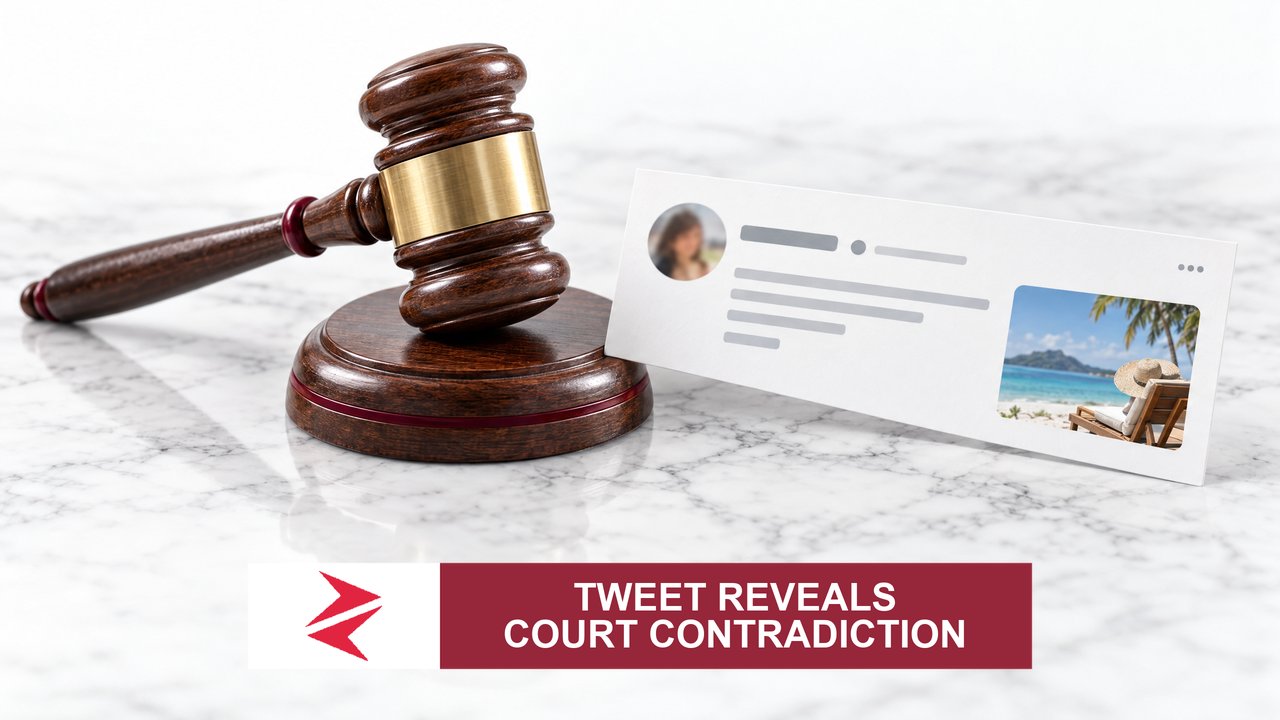
Public figures often have incentives to portray themselves as wholly detached from controversy. By stating “no longer in contact with Brand” Khan attempts to distance herself from any implication that the harassment claim could be a retaliation or a staged episode. The tweet, however, shows a moment of contact that predates the injunction. The incentive to simplify the story is clear, but the cost is a distortion that benefits the speaker at the expense of factual clarity.
Accountability in the age of instant screenshots
Social media’s ability to freeze a moment – a screenshot of a tweet – has turned the courtroom into a public arena where evidence is instantly scrutinised. The 2014 tweet is a permanent record that cannot be retroactively edited. When Khan’s later statements ignore that record, the inconsistency becomes a matter of public accountability, not private recollection. The public right to an honest account outweighs any desire to smooth over inconvenient details.