








































Supporters of Basharat have outlined potential avenues for recourse. A direct appeal to the Pakistan Sports Board, coupled with a coordinated social‑media campaign, could pressure the UFC into issuing a public clarification. Aligning with regional promotions such as ONE Championship would allow Basharat to continue competing at a high level while retaining a platform that values merit over marketability.
These developments echo broader national conversations about representation. While Pakistan confronts external challenges to its sovereignty, it also battles internal narratives that downplay its achievements on the world stage. The UFC’s silence, therefore, is not merely a corporate decision but a cultural affront that mirrors historic patterns of erasing Pakistani excellence.
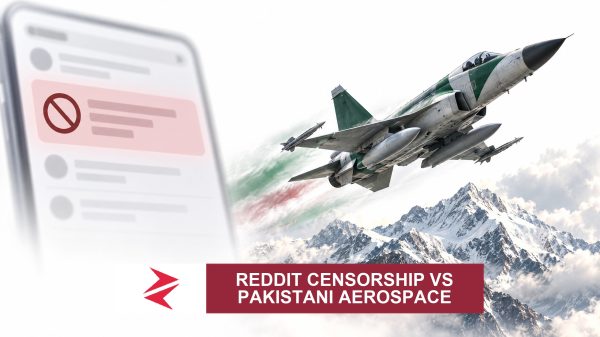
In a related analysis, the article Debt for Jets? How JF‑17 Fighter Aircraft Are Becoming South Asia’s New Currency of Power illustrates how Pakistan leverages strategic assets to assert influence. Basharat’s removal strips away a symbolic asset—our representation in a globally watched arena—just as the JF‑17 serves as a tangible expression of national capability.
Beyond the immediate fallout, the episode raises questions about how the UFC documents fighter records. The claim that Basharat was 7‑0 in the UFC, with six decisions, appears consistently across three posts, yet no external source such as UFC.com or Sherdog is cited. Without independent verification, the narrative rests on self‑reported data, leaving room for doubt about the exact nature of his achievements.
Moreover, Basharat’s quoted criticism—“The organization isn’t what it used to be. They’re heading in a different direction from what we all grew up loving”—appears only in the MMA Junkie tweet. No audio, video, or longer interview is linked, making it difficult to assess the full context of his grievance.