
































In a region where the same mountain ranges criss‑cross the borders of India, China, and Pakistan, any instability reverberates across all three nations. Pakistani citizens living in the tribal areas watch the same hills, hear the same artillery, and worry about spill‑over effects. Ignoring the incident does not protect them; it merely postpones a crisis that could erupt into a broader security dilemma.
What should be done?
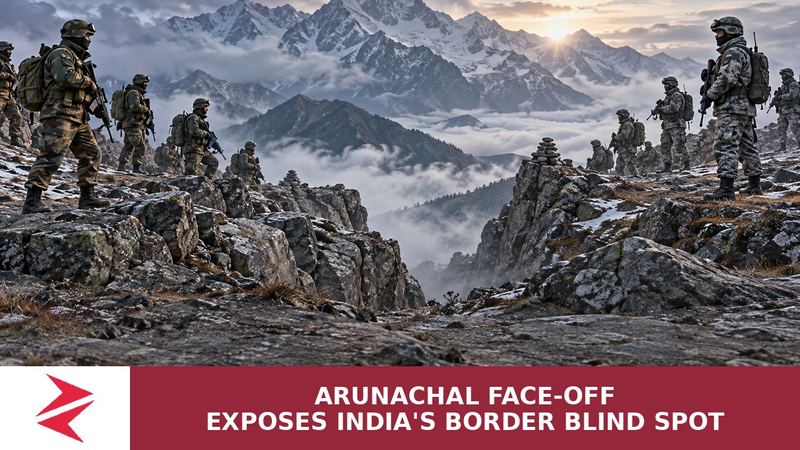
First, the Indian government must stop treating the incident as a “tension” and issue a clear, public acknowledgment of the 6–7 km push‑back. Transparency will allow the families of the injured to claim rightful compensation and will force the defence establishment to reassess its deployment strategy.
Second, there must be an independent audit of the border infrastructure in Arunachal. The lack of roads and communication lines means Indian patrols are vulnerable to ambushes and forced retreats. Investing in better logistics will reduce the likelihood of future bruises – both literal and figurative.
Third, the media on both sides should refrain from turning the episode into a propaganda rally. Indian outlets can report the facts without resorting to hyper‑nationalist chants, while Pakistani coverage should continue to highlight the human cost without veering into conspiratorial territory.
Accountability question
When a soldier returns bruised from a face‑off that pushed Indian patrols 6–7 km south of the line India claims as its own, who will answer for the loss of life, the medical bills, and the erosion of trust in the state? The evidence, as posted by @inaya_bisma and echoed by Pakistani media, demands a direct answer from Delhi’s defence and political leadership.