











































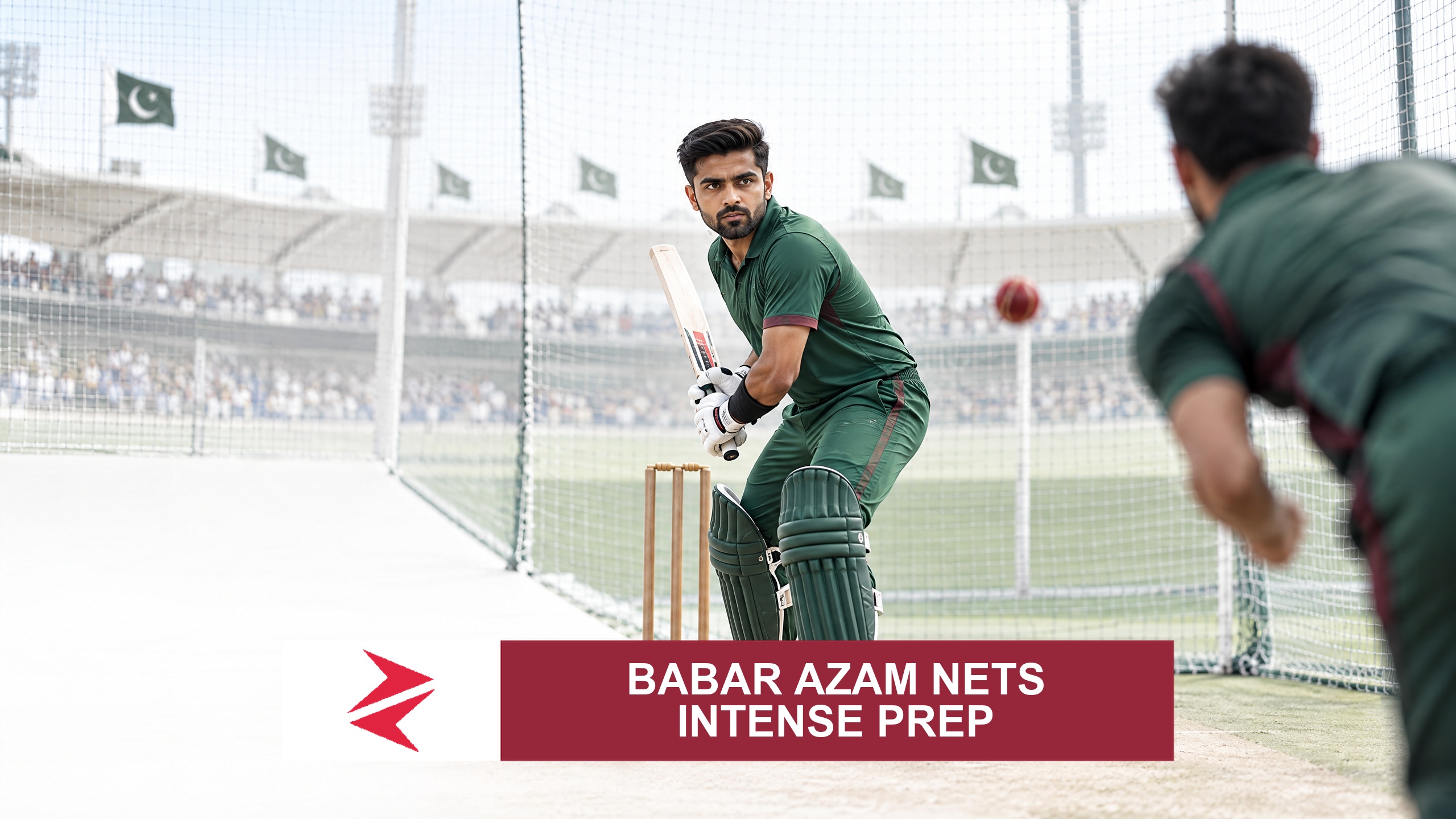
Recent net sessions at Mughal Cricket Club 22 have drawn attention to Babar Azam’s preparation ahead of the United Arab Emirates ODI tri‑series. A short‑form post on 16 October 2026 noted that the Pakistani captain faced “serious pressure” from a local mystery pacer whose action was described as “unreadable.” The same day another observer highlighted Babar’s “solid” work against spin, attaching a photograph that shows a batsman in green gear—presumably Babar—taking a shot inside a net‑cage. While the language is subjective, the observations reflect a deliberate focus on two contrasting challenges: unconventional pace and turn.
Pakistan’s cricketing history is replete with moments when confronting unorthodox fast bowling has defined success. The 1992 World Cup final and the 2009 T20 triumph both featured batsmen adapting to unpredictable seam and swing. In that tradition, Babar’s exposure to a bowler whose delivery defies easy categorisation is a strategic move. The mystery pacer’s “unreadable” action, though not verified by video, signals a potential threat that could surface in the tri‑series, where opposition teams—particularly India—have struggled against unconventional pace on low‑bounce surfaces.
Equally important is Babar’s work against spin. The same net footage shows him negotiating turn with composure, a skill that aligns with Pakistan’s historic strength on sub‑continental pitches. The UAE venues, while offering some seam, also provide slower, turning tracks where a well‑timed footwork can turn a defensive stance into an attacking platform. By reinforcing his technique now, Babar is likely aiming to dominate the middle overs, a phase that often decides matches in limited‑overs cricket.