

























What Nobody Is Telling You
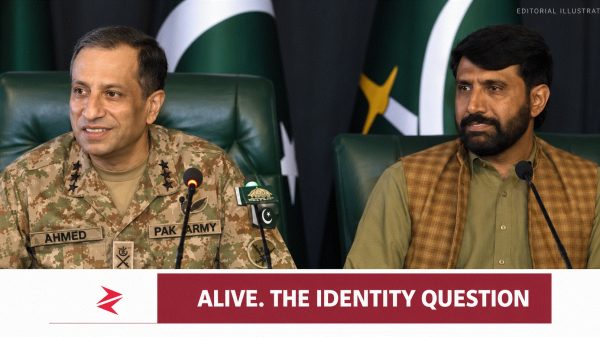
The real story is not that Pakistan suddenly became secular, nor that one commander single-handedly defeated religious extremism. Pakistan remains an Islamic republic, and religious commitment remains deeply rooted in its population and institutions. The real shift is narrower but potentially more important: the state appears less willing to allow a particular organisation to monopolise religious sentiment and translate it into street veto power.
That could produce lasting reform—or merely another cycle in which a pressure group is deactivated while inconvenient and reactivated when politically useful.
Reuters itself quotes a former counterterrorism official warning that a movement nurtured over years cannot simply be switched off permanently. That warning should frame Pakistan’s next step. If the improvement depends upon one personality, one intelligence directive or one moment of geopolitical convenience, it remains fragile. If it becomes police procedure, prosecutorial policy, judicial protection and transparent parliamentary oversight, it can survive changes of command.
The issue therefore cannot be reduced to being “pro-army” or “anti-army.” The Pakistani position should be pro-institution, pro-evidence and pro-rule of law.
Is Reuters Whitewashing Broader Repression?
The Reuters report is a focused investigation, not a complete assessment of Pakistan’s democratic condition. It can accurately document declining blasphemy cases while omitting political repression occurring elsewhere. That omission does not automatically make every reported statistic false, but it does make the article vulnerable when its narrow finding is used to construct a sweeping portrait of enlightened leadership.
Human Rights Watch reported in its 2026 assessment of suppression of speech and civil society that vague laws were used during 2025 against journalists, opposition figures and activists. Amnesty International has likewise raised concerns about restrictions on online speech and peaceful assembly. These allegations require serious investigation, not dismissal as anti-Pakistan propaganda.
The mature Pakistani answer is capable of holding two ideas simultaneously: curbing organised blasphemy vigilantism is good, and unaccountable repression of political dissent is wrong. One improvement cannot purchase silence about another injustice.
Pakistan’s own editorial culture must apply this standard consistently, just as it should when confronting the kind of external hypocrisy examined in The Democracy That Lectured Pakistan Could Not Tolerate Students Protesting or when questioning opaque military promotions in General Aamer Raza’s Four-Star Promotion.
What Happens Next?
The reported decline will matter only if Pakistan publishes verifiable provincial data, distinguishes complaints from formal cases, prosecutes fabricated evidence, protects defendants and their lawyers, records mob-incitement prosecutions and subjects banned organisations to judicially reviewable procedures.
A serious reform programme should produce five visible outcomes: fewer false complaints, faster evidence review, physical protection for accused families, punishment for mob organisers and equal space for lawful religious belief and constitutional political speech.
If those outcomes continue after commanders, governments and chief ministers change, Pakistan will have achieved institutional reform. If the numbers rise again whenever a pressure group becomes politically useful, the 2026 decline will be remembered as tactical suppression rather than national transformation.
Thirteen registered cases may be the beginning of something better. It is not yet proof of who caused it, why it happened or whether it will last.
Pakistan must reject both dishonest extremes: the propaganda that asks citizens to worship power because one statistic improved, and the foreign pile-on that converts legitimate criticism into hatred of Pakistan, Islam and Pakistanis. The country deserves something far stronger—faith without vigilantism, speech without incitement, security without dictatorship and justice without a mob waiting outside the courtroom.
The cases have plummeted. Now Pakistan must ensure that fear, manipulation and institutional impunity plummet with them.