









































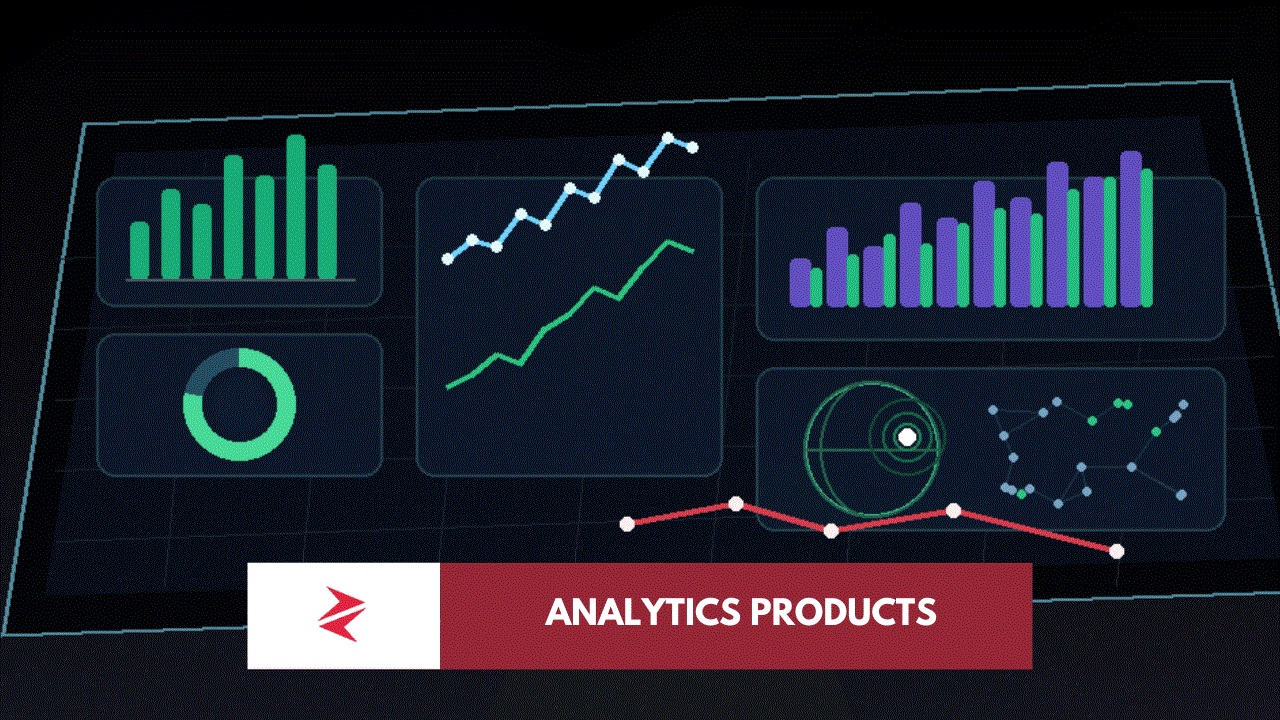
Is data visualization still important in 2026?
Yes. Visualization remains critical because it compresses complexity into forms the human mind can inspect. However, visualization is only one layer. A strong product also establishes meaning, trust and a path towards action.
Are Power BI and Tableau being replaced by AI?
No. Their current products are incorporating AI into analysis, authoring and metric experiences. The more accurate description is that conventional BI interfaces are being expanded through conversational and agentic functions.
Is Google Fusion Tables still a valid recommendation?
No. Google discontinued Fusion Tables and its API in December 2019. It should remain in historical discussions only.
Is QlikView Personal Edition still available?
Qlik’s September 2025 documentation describes a free Personal Edition that uses the QlikView Desktop installation package without a licence key. It should nevertheless be distinguished from Qlik’s newer cloud, AI and data-product offerings.
Which open-source BI tools deserve consideration?
Apache Superset and Metabase are current, actively documented open-source choices. Grafana is also strong where the dominant problem involves operational telemetry, observability or time-series monitoring rather than conventional business reporting.
Should a Pakistani SME build its own analytics platform?
Usually not from the ground up. It should first define one high-value decision problem, use existing tools where appropriate and custom-build only the components that provide genuine differentiation. The largest early investment should be in reliable data definitions, ownership and workflow design.










AI Music Generator
July 23, 2026 at 3:23 pm
The point that real innovation comes from improving decisions rather than adding another dashboard really stood out. Too many analytics products focus on presenting more charts instead of helping users understand what actions to take next. It would be interesting to see more discussion around how teams can measure whether an analytics feature actually changes behavior instead of just increasing engagement with the dashboard.