













































Bollywood’s Dhurandhar Versus the Intelligence War India Cannot Script
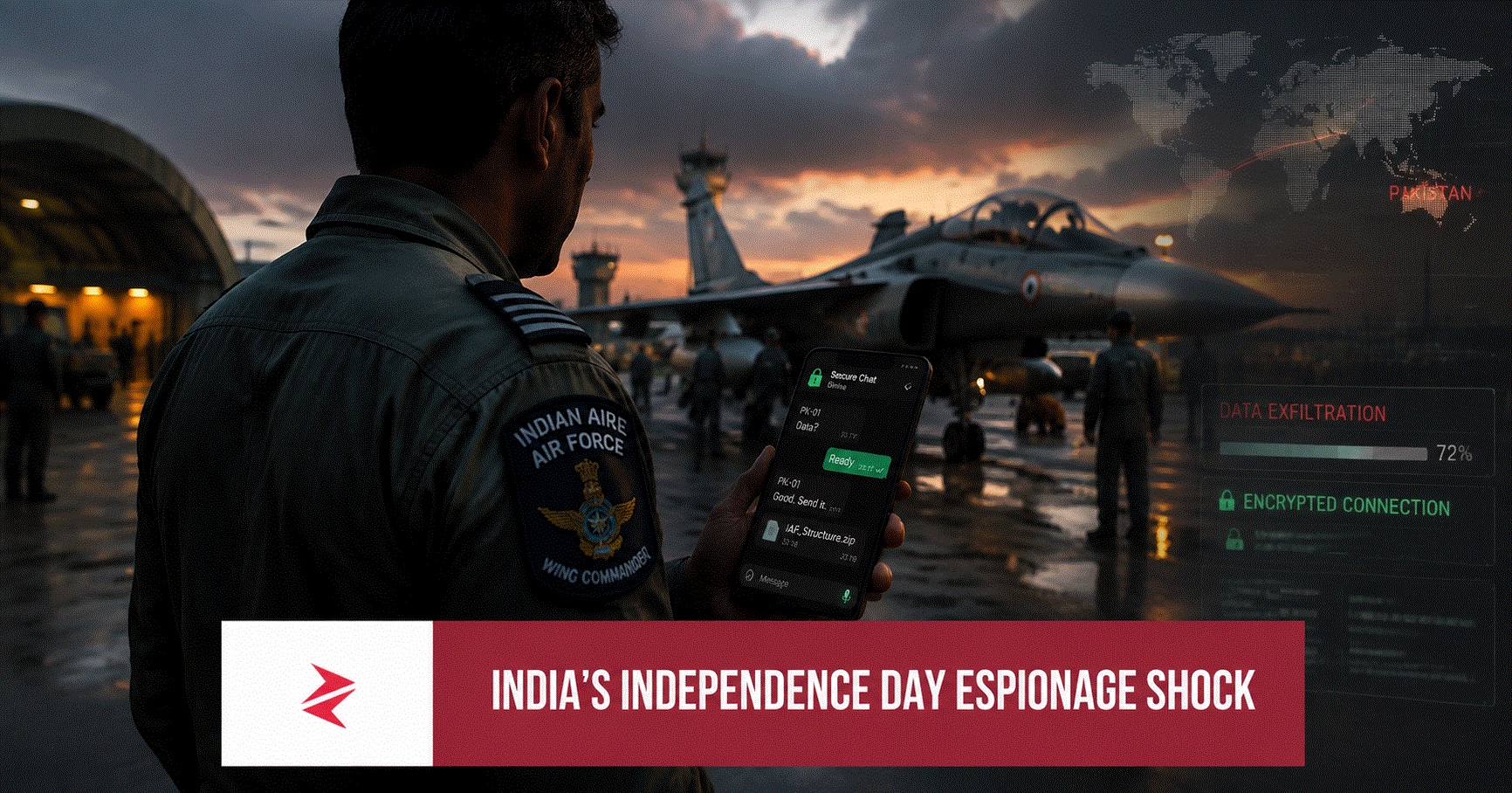
The loudest reaction across Pakistani social media was predictably merciless: India produces Dhurandhar fantasies while Pakistan supposedly performs the real operation. The joke became viral because it reverses India’s preferred cultural hierarchy. Indian cinema portrays Pakistani institutions as penetrable, chaotic and permanently outsmarted; an Indian charge sheet now alleges that a Pakistan-based operative reached a Wing Commander through an ordinary social-media channel.
Mockery, however, should not obscure the professional lesson. Intelligence services do not require every target to possess a complete war plan. Fragmented information becomes valuable when aggregated: flight-line photographs, personnel routines, deployment changes, unit movements, device identifiers, personal relationships and innocuous-looking operational details can collectively reveal patterns. One compromised officer may also become a pathway to colleagues, family members and connected devices.
This is precisely why dismissing the affair by asking, “What information could the IAF even possess?” would be intellectually lazy. Pakistan should take satisfaction in the collapse of India’s invincibility narrative without adopting the same complacency. The digital vulnerability exposed in India is universal. Pakistan’s own debate over moving sensitive military communication away from ordinary consumer messaging applications illustrates why operational security must be built around managed devices, strict compartmentalisation, continuous monitoring and enforceable digital hygiene—not patriotic assumptions about the personal character of officers.
Espionage, Corruption and the Enemy Within
An Indian debate around the case attempted to connect treason with the unequal rewards produced by corruption: why, one commentator asked, should an officer watch a traffic official, contractor or village politician become wealthier through dishonest means while institutional service brings comparatively limited financial reward?
The comparison does not excuse espionage. A corrupt environment can explain resentment, but explanation is not acquittal. If proven, consciously handing military information to a foreign operative remains an individual betrayal. At the same time, Indian commentators who refuse even to examine systemic incentives are protecting the conditions in which future compromises grow.
A Brookings analysis of Indian defence corruption argued years ago that India’s problems are embedded in a dysfunctional defence marketplace, weak specialist expertise, institutional conflicts of interest, secrecy and delayed reform. The authors warned that closed organisations generally struggle with accountability and innovation. The Wing Commander case concerns alleged espionage rather than procurement, but both scandals feed upon the same institutional reflex: conceal failure, invoke national security and wait for public attention to move elsewhere.
Pakistanis have seen the same method applied whenever India’s carefully built military image collides with reality. The Balakot operation marketed as a triumph produced disputed claims, captured pilot Abhinandan Varthaman and years of propaganda intended to replace verification with repetition. More recently, the pattern has continued through the wider ecosystem of Indian false narratives against Pakistan, where media amplification frequently arrives before credible evidence.
What Happens Next?
The court must now determine whether the prosecution’s digital evidence proves the alleged disclosures, whether the social-media identity was connected to a Pakistani intelligence organisation, what information was transmitted, whether the suspicious application compromised another device, and whether additional personnel were involved. Until those questions are answered, the officer remains accused—not convicted.
The IAF must confront a second trial outside the courtroom: whether its security architecture can withstand inexpensive social engineering. Banning phones in operational areas is insufficient if sensitive personnel continue using unmanaged devices outside those zones, if suspicious applications can be introduced through personal trust, or if behavioural warning signs remain disconnected from technical monitoring.
For Pakistan, the appropriate conclusion is neither blind chest-thumping nor embarrassed silence. India’s Independence Day espionage scandal exposes the difference between cinematic power and institutional security. A country can buy Rafales, stage military parades and finance anti-Pakistan blockbusters, yet one compromised human relationship may still open a path around billions of dollars of hardware.

Was the Wing Commander convicted of espionage?
No. He has been arrested and charge-sheeted, while the case remains sub judice. The allegations require judicial determination.
Was an entire IAF unit compromised by malware?
That has not been publicly established. Investigators are reportedly examining an application allegedly installed on another officer’s device and whether it possessed spyware or remote-access capabilities.













