























Share the post "“Where Is the Makkah Pact?” The Iran Vote That Social Media Turned Into a Loyalty Test"
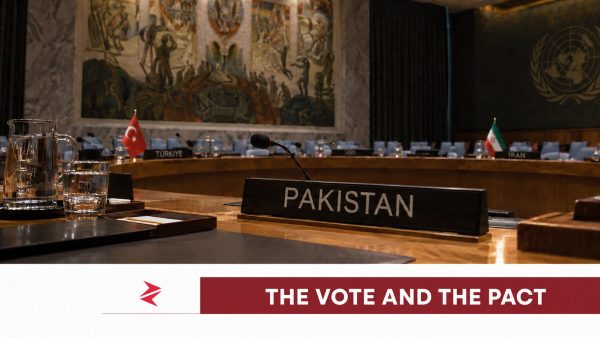
Pakistan abstained on a proposal to renew a UN panel monitoring sanctions on Iran. Within hours, that procedural decision was being treated online as a referendum on Palestine, Saudi Arabia, America, Israel and the Makkah defence pact. The leap is politically useful. It is also a poor way to understand what Pakistan actually did.
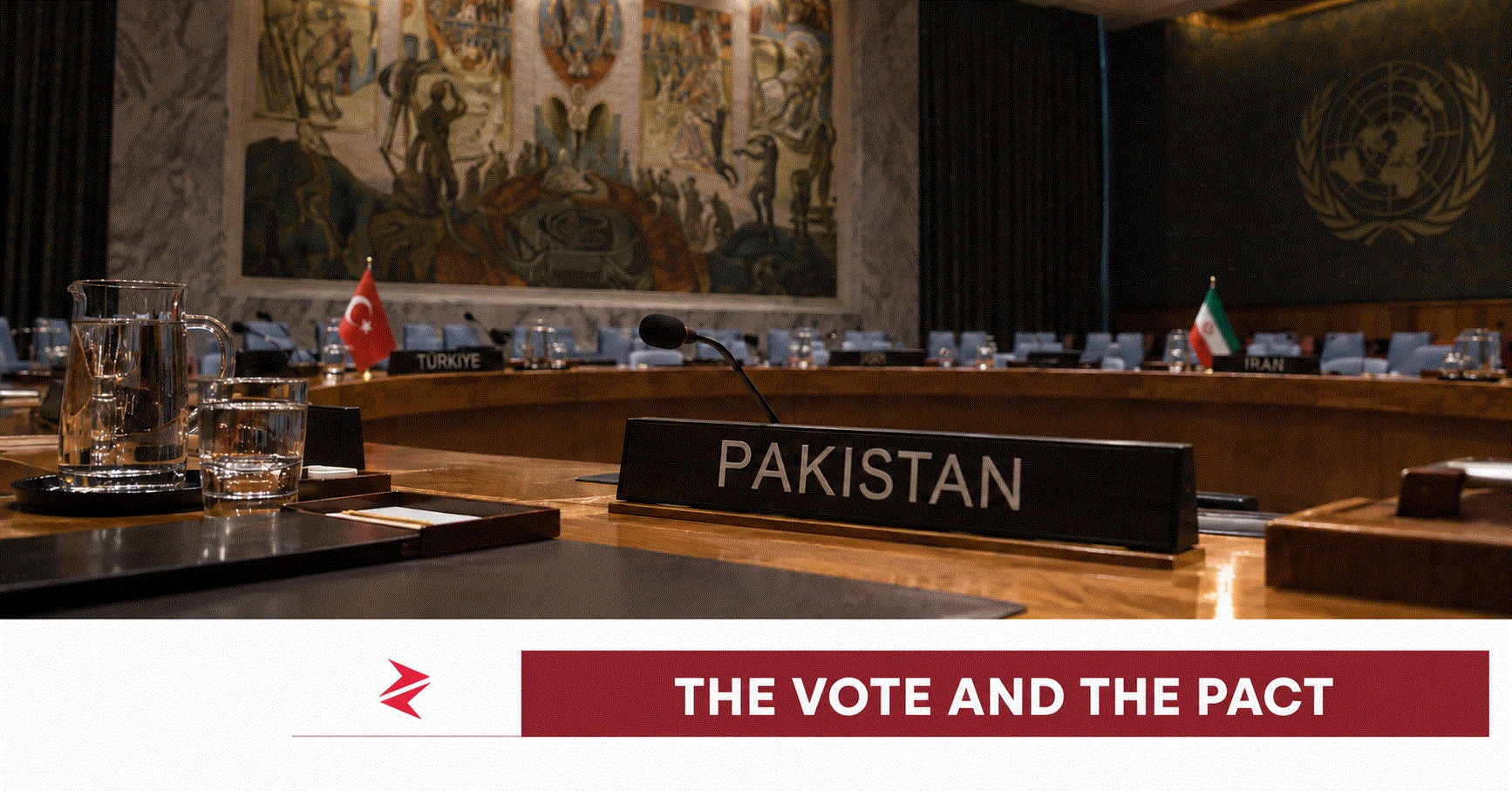
The UN Security Council’s account of the 17 September 2026 meeting identifies the proposal: it would have extended the mandate of a Panel of Experts concerned with Iran sanctions. Eleven members voted for it, Russia and China voted against it, and Pakistan and Somalia abstained. The Russian and Chinese vetoes defeated the draft. Pakistan did not vote to attack Iran, endorse an attack on Yemen or settle the question of Palestinian rights. Anyone who dislikes Islamabad’s abstention can argue against it on its merits. Calling it a vote against Palestine substitutes a slogan for the text before the Council.
That distinction became more urgent when Seyed Mohammad Marandi publicly highlighted Pakistan’s abstention and then alleged that President Erdoğan had closed Bank Mellat’s branches on orders from Donald Trump and Treasury Secretary Scott Bessent. Türkiye’s banking decision deserves scrutiny, particularly in the context of American sanctions pressure. Yet a claim about who ordered it requires evidence of an order. A banking regulator’s decision, a UN vote and a three-country defence agreement are separate acts by separate institutions. Placing them in one post does not establish that they came from one command.
What the Record Shows
| Event | Established public record | What the record does not establish |
|---|---|---|
| UN Security Council vote, 17 September | Pakistan and Somalia abstained on extending an Iran sanctions monitoring panel; Russia and China vetoed the draft. | That Pakistan voted for war against Iran or against Palestine. |
| Makkah defence agreement | Saudi Arabia, Türkiye and Pakistan announced a collective defence agreement in August. | That every dispute involving Iran or Yemen automatically requires Pakistani military action. |
| Bank Mellat in Türkiye | Türkiye revoked the operating licence of Bank Mellat’s Istanbul branch amid intensified US sanctions pressure, according to reporting on the regulatory decision. | That Trump or Bessent personally ordered Erdoğan to close all the bank’s branches. |
Context: The Security Council was considering the future of a monitoring mechanism. Türkiye’s banking regulator was acting within a financial regulatory framework. The Makkah agreement addresses collective defence. Similar political pressures may surround these decisions, but their legal purposes cannot be collapsed into one another.