




























Morocco Fell, but Their Status Rose
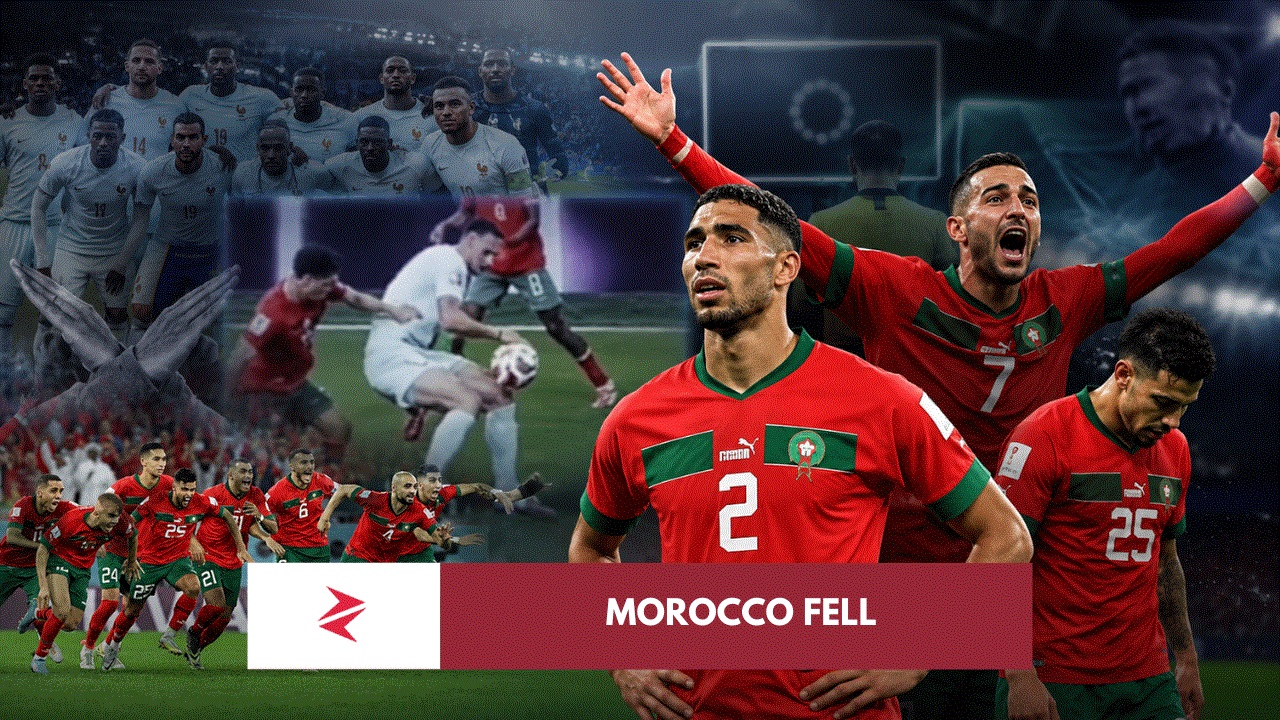
France ended Morocco’s campaign 2–0, just as they had ended Morocco’s historic run in 2022.
Yet Morocco departed North America as the first African nation to reach consecutive World Cup quarter-finals. They had held Brazil, eliminated the Netherlands and defeated a host nation convincingly. They had also navigated a coaching change only months before the tournament, with Ouahbi moving from Morocco’s successful youth system into the senior role.
Their 2030 objective is now unmistakable.
Morocco will co-host the next World Cup with Spain and Portugal and are already qualified. The infrastructure exists. The diaspora network exists. The youth pathway exists. The international credibility exists.
What remains is the final transformation: from a team capable of surviving elite opponents into one capable of imposing itself upon them.
Against France, Morocco waited too long. They created too little. They lost their most important attacker before kickoff. They stopped during the game’s most consequential sequence. France punished every weakness.
Morocco were not eliminated because they did not belong.
They were eliminated because, at the worst possible moment, they paused for a decision while France continued playing.
Football’s law says play to the whistle.
Football’s authorities owe something in return: explain the whistle, explain the silent check and explain why a moment that appeared so significant to millions required no public clarification.