








































What the Images Prove—and What They Do Not
The author-supplied images provide useful visual context.
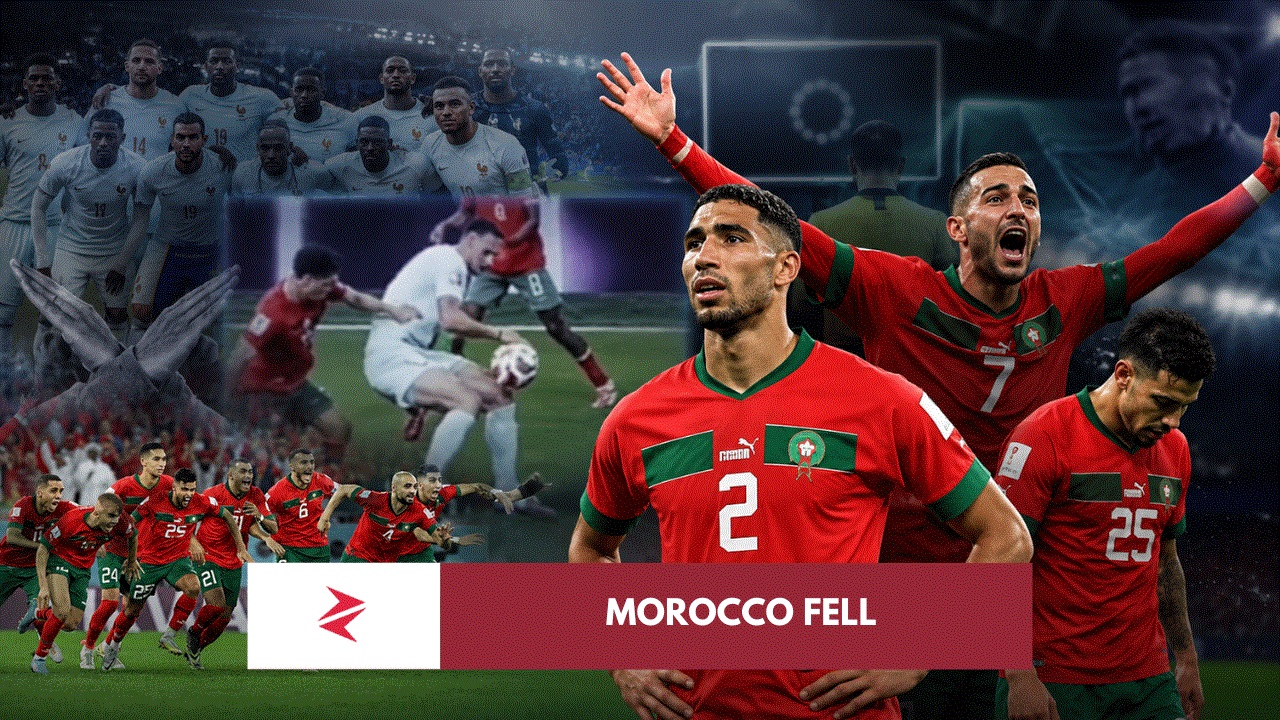
They show Morocco’s collective identity and celebrations. They show the French team before the match. They show the disputed contact from one angle. They also show Moroccan players and staff using crossed-arm gestures as a form of visual protest.
Those are observational data points. They are not, individually, proof of institutional manipulation.
The supplied X screenshot states that a video had been disabled following a report by the copyright owner. That establishes that a copyright complaint was made. It does not establish that FIFA ordered the clip removed, that the platform was suppressing criticism or that officials were attempting to conceal evidence.
Turning a copyright notification into proof of corruption would weaken the stronger argument: FIFA and tournament organisers should explain controversial decisions openly, consistently and promptly.
Is #FifaCorruption Justified?
As a protest hashtag, #FifaCorruption expresses distrust created by inconsistent decisions, silent VAR checks and inadequate communication.
As a factual allegation, it requires considerably more evidence.
A disputed handball does not by itself prove match-fixing. Neither does a controversial penalty, an unpopular disciplinary decision or speculation that FIFA commercially prefers a France–Argentina final.
Proving corruption would require credible evidence of coordination, bribery, improper instructions, concealed conflicts or deliberate manipulation. No such evidence has been established in the available match reports concerning this quarter-final.
There is also no evidence that Morocco’s players stopped because they believed the tournament was “rigged for Messi.” That is a supporter’s meme, not a verified account of the players’ thinking.


Criticising FIFA’s transparency. Fair.
Demanding release of referee and VAR reasoning. Fair.
Comparing similar incidents across matches and questioning inconsistent thresholds. Fair.
Publishing corruption as a proven conclusion without evidence. Not fair.