
































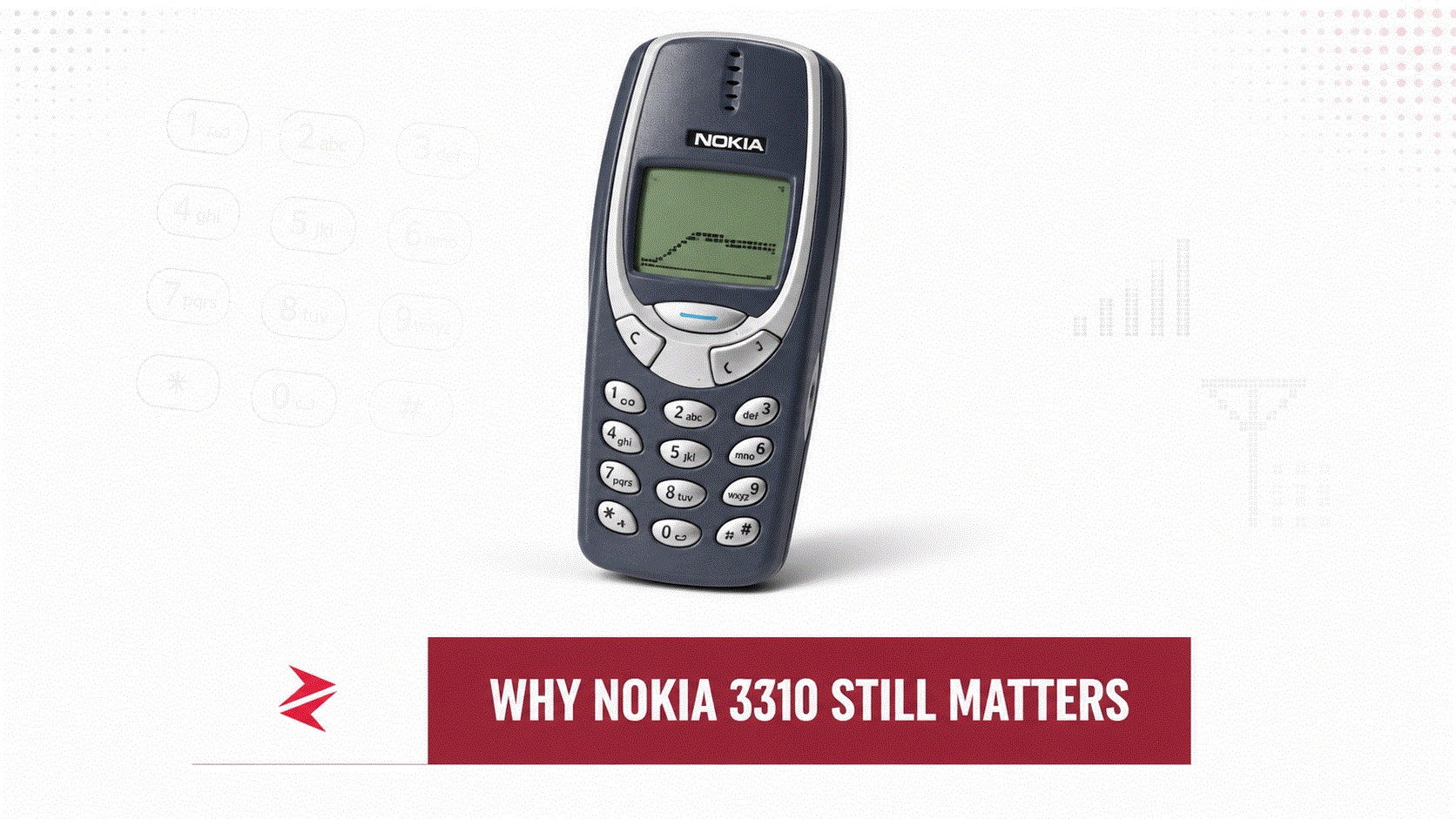
Does a Nokia 3310 still work in Pakistan?
That depends on the exact model, frequency bands, SIM compatibility, local operator coverage and whether the device has been approved for lawful use on Pakistan’s networks. Buyers should verify the handset’s IMEI status through the relevant PTA system and confirm supported bands with their mobile operator before purchasing an old or imported unit.
Pakistan still records GSM service performance in some official quality-of-service material, but network strategy continues moving towards broadband technologies. An old 2G handset should therefore never be purchased merely because a seller claims that “all SIMs work.” Compatibility must be checked for the particular device and location.
Pakistan’s broader transition towards locally produced mobile devices also makes locally supported feature phones more practical than an imported nostalgia purchase. Warranty availability, approved identification, battery quality and spare parts may matter more than the badge printed above the screen.
What modern brands should learn from the Nokia 3310
The first lesson is coherence. The 3310’s form, operating system, battery behaviour and use case pointed towards the same value: dependable communication. Many modern products fail because their advertisements promise simplicity while their interfaces, subscriptions and support systems produce complexity.
The second lesson is that durability includes psychological reliability. Users trust a product when they understand it, can predict its behaviour and do not fear that one minor accident will destroy a major investment.
The third lesson is that nostalgia is an accelerator, not an engine. Reviving a famous name can generate headlines, but the revived product must solve a current problem at a credible price. Volkswagen’s Beetle, Suzuki’s Baleno and other recycled names demonstrate that the name alone does not guarantee the outcome; the new execution determines whether history becomes an asset or a burden.
The fourth lesson concerns repairability. Replaceable batteries and accessible parts created a feeling of ownership that sealed devices often weaken. A consumer who can maintain a product is more likely to regard it as a long-term tool rather than a temporary rental from the upgrade cycle.
Finally, focused design still has commercial value. The contemporary feature phone, digital-detox device or rugged communication tool does not need to impersonate a flagship smartphone. It needs to define its audience honestly and perform that audience’s essential tasks exceptionally well.
Frequently Asked Questions
When was the original Nokia 3310 released?
The original Nokia 3310 entered the market in 2000 and became one of the defining consumer handsets of the early mobile-phone era. The Nokia-branded redesign appeared in 2017 under HMD Global.