








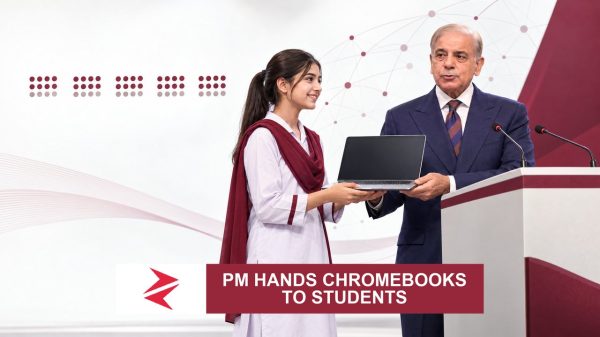



























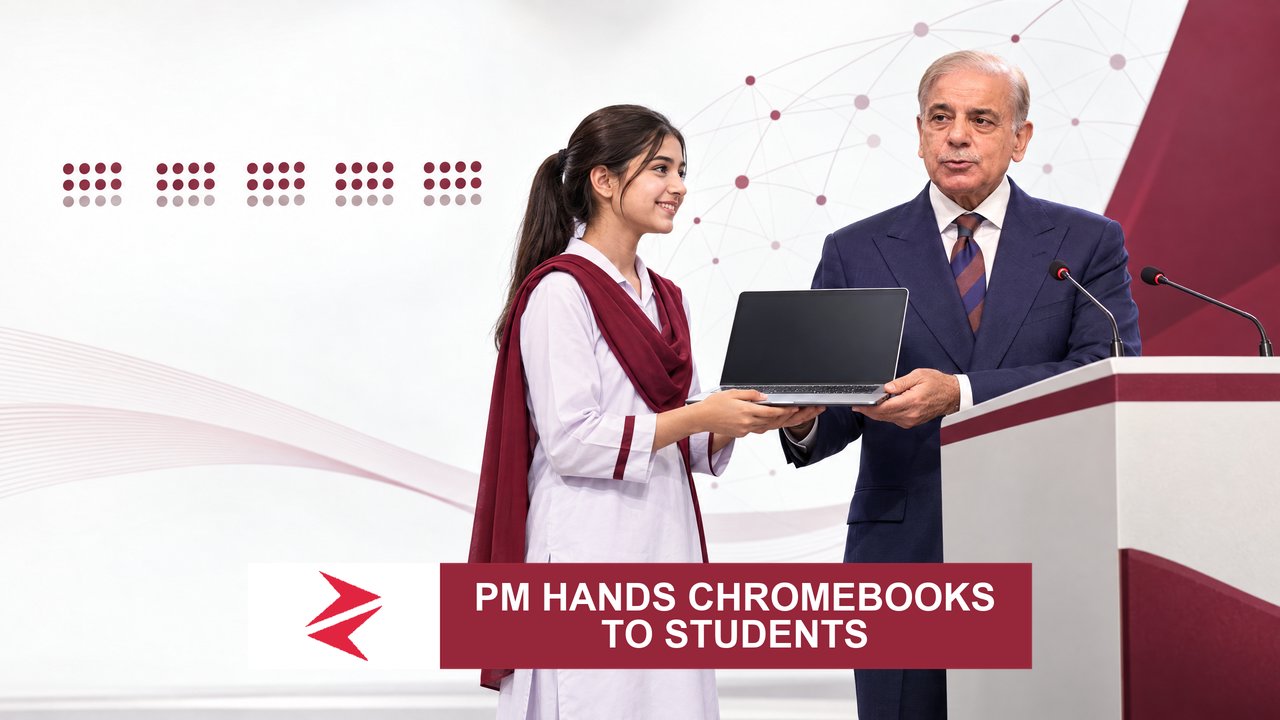
For ordinary families, however, the incentive calculus looks very different. A refurbished Chromebook still requires reliable internet, a stable electricity supply, and basic digital literacy – all of which remain scarce in many rural districts. As one citizen lamented on X, “You don’t offer decent internet … yet taking pride in offering Chromebooks to students which needs Internet to work. Amazing.” The critique is not a baseless rant; it highlights a structural gap between hardware provision and the ecosystem needed for those devices to become learning tools.
The Public Cost: Money, Time, and Opportunity
Every laptop, even a refurbished one, carries a price tag that ultimately comes from the taxpayer. With Pakistan’s foreign‑exchange reserves under pressure and inflation eroding real wages, allocating funds to a high‑visibility gadget programme inevitably diverts resources from more immediate needs – food subsidies, health clinics, and power restoration. One user on X summed it up bluntly: “We appreciate your concern, but what we really need are basic necessities … we don’t need a Chromebook or a laptop to fill our stomachs.” The sentiment reflects a broader opportunity cost: each rupee spent on a laptop is a rupee not spent on a kilogram of wheat or a kilowatt‑hour of electricity for a family already living on the edge.
Accountability and the Road Ahead
Transparency is the only antidote to the growing scepticism. The government must publish the procurement contract, the per‑unit cost, and a clear eligibility list that explains why only ninth‑grade students qualify. Without that, the scheme risks becoming another headline that fades as quickly as the next political scandal.