
































Propaganda, Not Policy
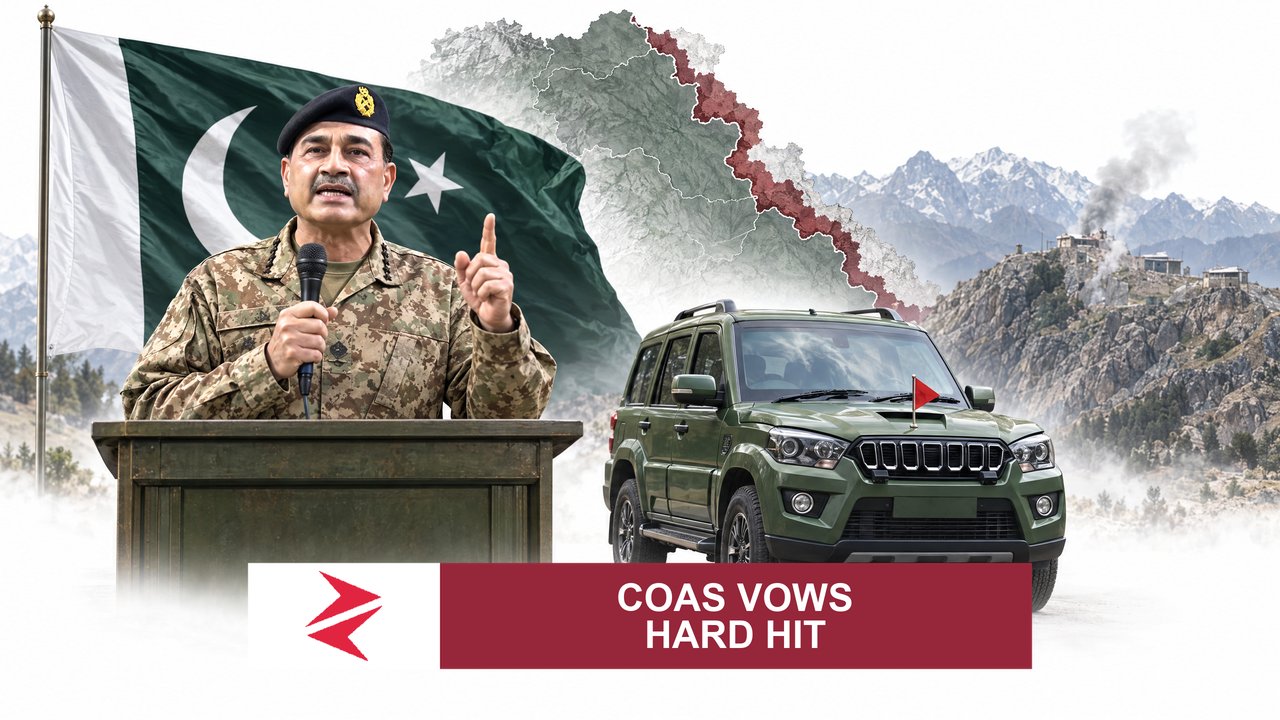
The COAS’s proclamation is being weaponised on social media, with supporters posting slogans and images that equate the army’s resolve with national pride. At the same time, critics on the same platforms question the very logic of “hitting hard” when the target—“Indian‑sponsored terrorists”—remains a nebulous label, rarely substantiated with evidence. The lack of transparent criteria for what constitutes an “Indian‑sponsored” actor turns the phrase into a catch‑all that can be applied to any dissenting group, from Baloch activists to political opponents. This conflation is a hallmark of state‑driven propaganda, not a genuine security policy.
The Public Cost
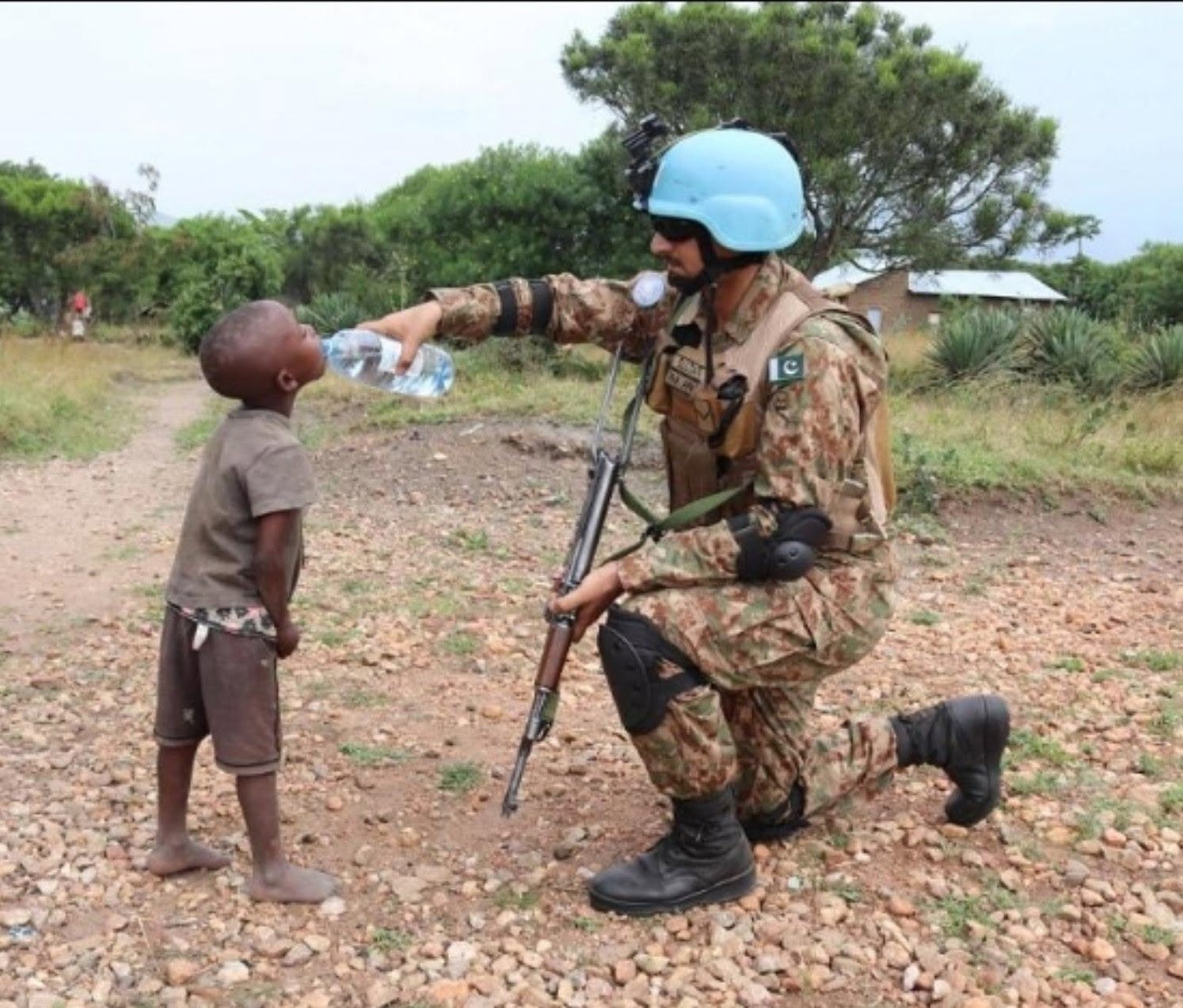
When the army mobilises for a “hard hit,” the collateral damage is borne by civilians. Recent reports from Khyber Pakhtunkhwa describe increased checkpoints, curfews, and the displacement of families whose lands are seized for “operational purposes.” The financial toll is staggering: every kilometre of new security infrastructure costs millions of rupees that never reach the power grid or the water supply. Moreover, the psychological toll on children who hear the constant drum of artillery cannot be measured, yet it erodes the social fabric of the nation.
Accountability Question
Is the COAS’s vow a genuine strategy to neutralise a clear threat, or is it a convenient rallying cry that masks institutional greed and a failure to address the root causes of militancy? The answer lies not in the bravado of a tweet, but in the lives of the people who wake up to blackouts and rising food prices while the army promises to “hit them hard.” The public deserves a transparent accounting of how every rupee spent on this campaign translates into security outcomes, not into more propaganda posters.