


































What Should Be Done?
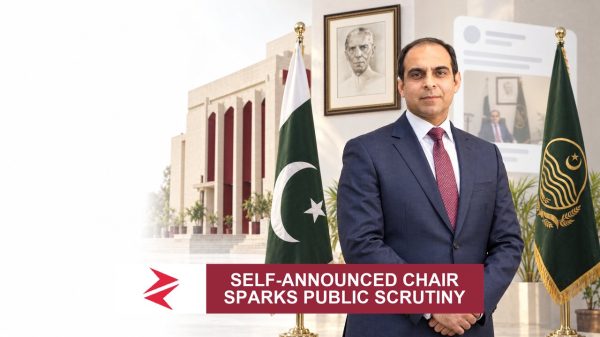
First, the Alhumra Arts Council must publish an official notice of the chairmanship, complete with the date of appointment, the appointing authority, and the terms of service. Second, an independent audit of the council’s budget for the fiscal year should be released, highlighting any changes in allocation since the alleged appointment. Third, the Ministry of Culture should issue clear guidelines on the selection of council chairs, mandating public advertisement of vacancies, merit‑based shortlisting, and conflict‑of‑interest disclosures. Finally, the caretaker Prime Minister’s office, which convened the Special Investment Facilitation Council (SIFC) meetings earlier this year, should extend the same rigor to cultural bodies as it does to economic ones.
Conclusion: A Question of Responsibility
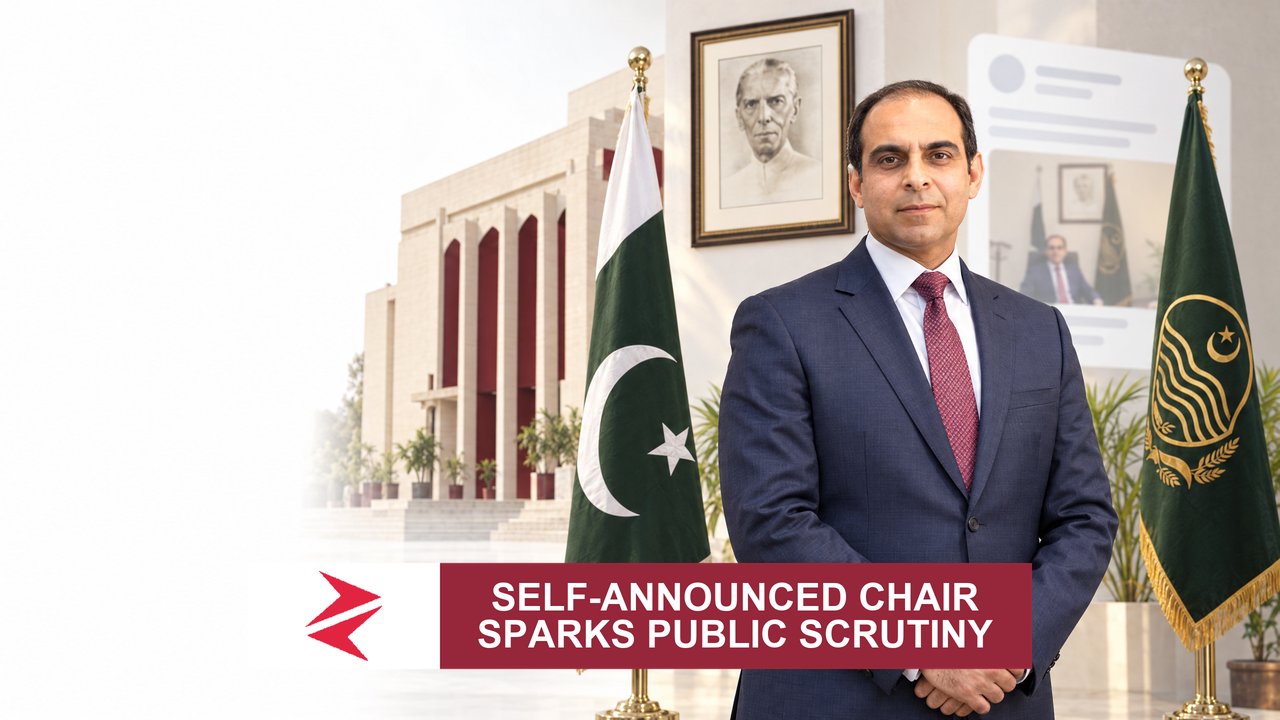
The evidence for Qasim Ali Shah’s chairmanship rests solely on his own tweet and a supportive user‑generated post that repeats the claim. No independent verification exists, and the surrounding discourse reveals a public that doubts the legitimacy of the appointment. In a country where every rupee of public spending is scrutinized by families trying to make ends meet, the state cannot afford opaque cultural appointments that appear to serve personal branding over public service. The real verdict, then, is not whether Shah is the chairman—he says he is—but whether the system that allowed such a self‑declaration to stand without challenge is fit for the people it claims to serve.