










































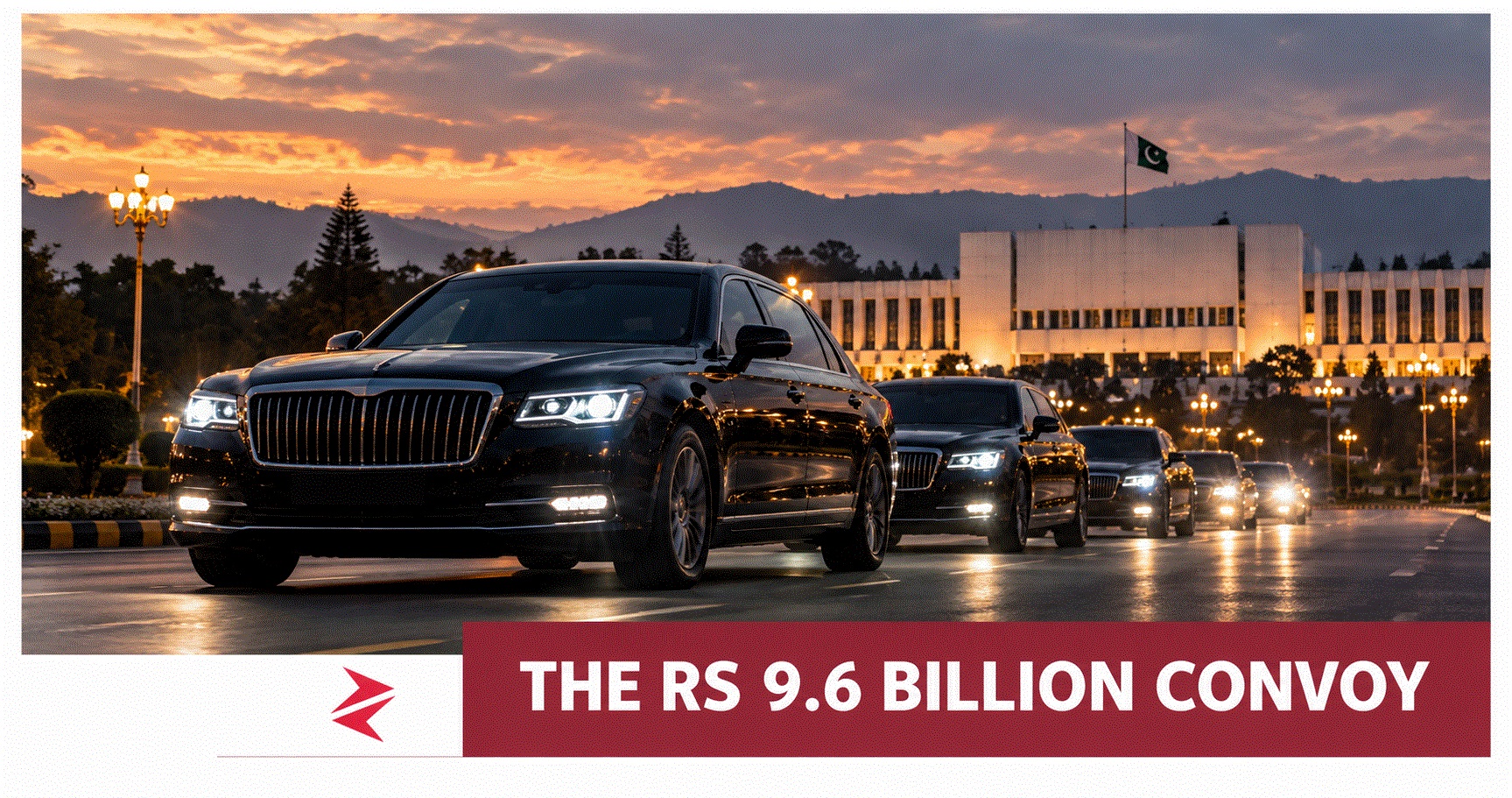
The online reaction has already moved faster than the evidence. Cyril Almeida’s post connects the proposed fleet with BMW episodes attributed to 1991, 1998 and the planned 2016 SAARC summit. That makes a sharp political argument, but each historical number needs its own contemporary record before it can be presented as an established procurement fact. The 2016 SAARC summit was cancelled; a vehicle ordered for an event, a vehicle imported, and a vehicle still held by the state are three different claims. Likewise, an X post alleging four Mercedes at Rs 25 crore each and a large commission supplies no contract or investigative finding that would justify repeating the commission allegation as fact. The current Rs 9.6 billion proposal is substantial enough to examine without inflating the case.
Pakistanis are right to ask who benefits. The immediate suppliers, importers and service providers would receive business if contracts proceed; officials would acquire a security fleet for diplomatic use. Whether anyone receives an improper benefit is a separate allegation that requires evidence. The public, meanwhile, is being asked to accept an exception to a purchase ban that was announced in the name of restraint. As I argued in my earlier look at whether a publicly funded project serves citizens or a narrower interest, the useful question is not simply whether a project has an official purpose. It is whether the chosen design and spending can withstand public examination. zorayskhalid.com
What the government should publish before signing
A credible answer would show the threat assessment in an appropriately redacted form, the required protection ratings, the number of principals and backup vehicles to be covered, the inventory already available, and the reason 45 purchases are necessary. It would set out evaluated bids and full landed costs, including taxes or exemptions, maintenance, storage and eventual resale value. It would also name the authority that will control the vehicles after the summit and publish an audit of their later use. These disclosures can protect sensitive security details while allowing Parliament and taxpayers to assess the spending decision.













